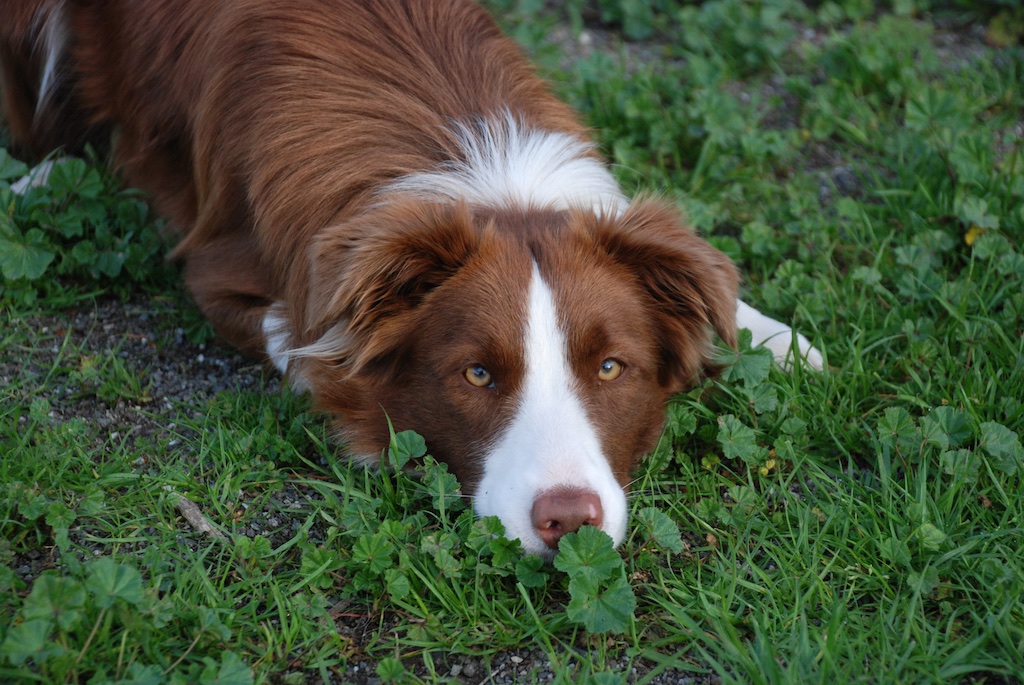
One More State Fair Post
/Before I get back to my Road Trip blogs I have a few more photos to share. No big surprises in this post like there were in the last one, but Dona sent me the great photos that she had taken of the show. And since I'm writing another fair post I'll include a few others as well. I didn't see much of the fair besides the livestock area but I walked around briefly. Here is what caught my eye.
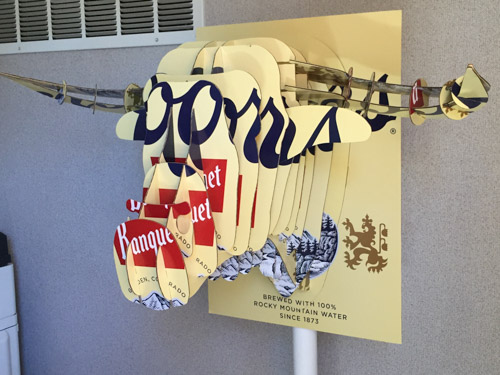
On the wall of the livestock office.
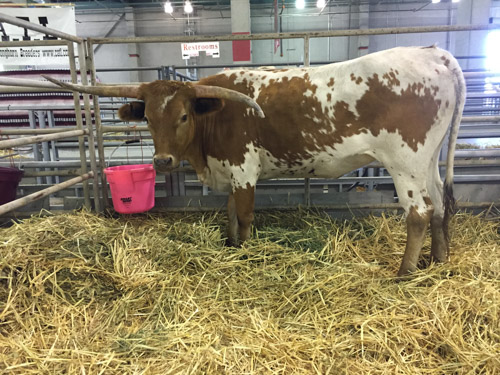
Another longhorn, this time with not-so-symmetrical horns.
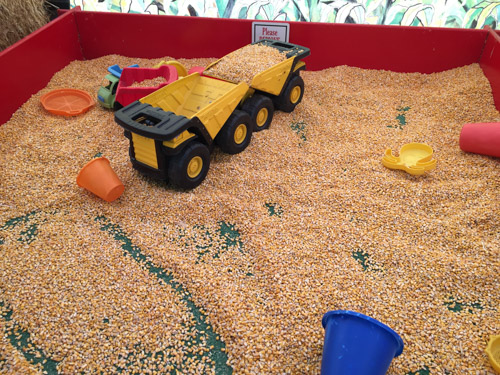
A "corn-box" for children.
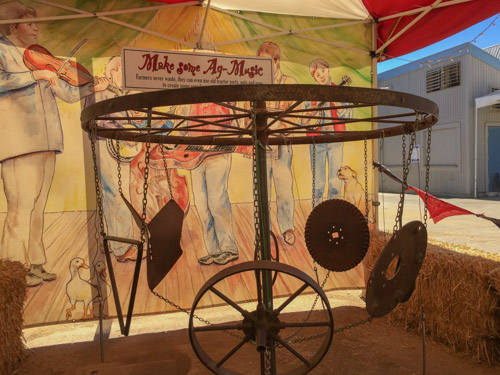
This seems like a good idea for kids but I think I'd want it far from my house. It's hard to tell in the photo but there are metal bars hanging at each station for banging "music making".
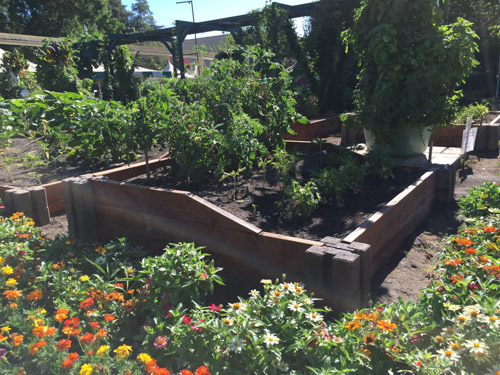
I always like walking through "The Farm" to get ideas for my garden. I like these bricks that made the corners of the raised beds. It would be easy to change the location of the beds.
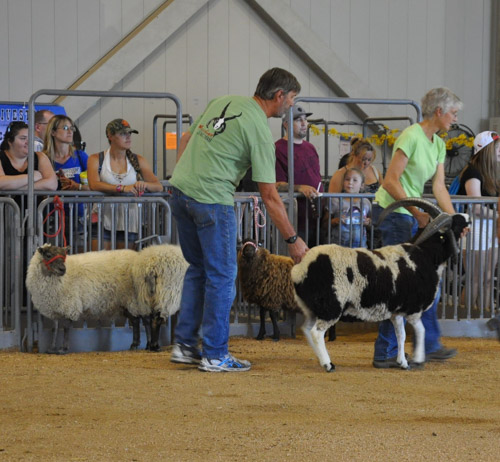
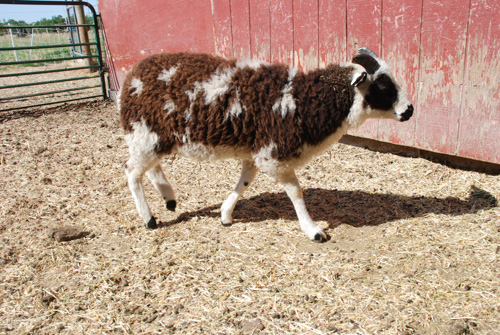
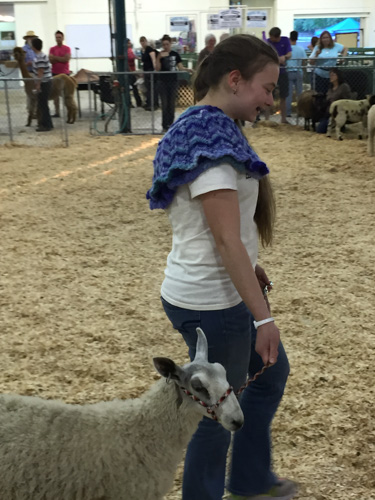
Back to the show ring. Rotor was sometimes reluctant at moving around the ring.
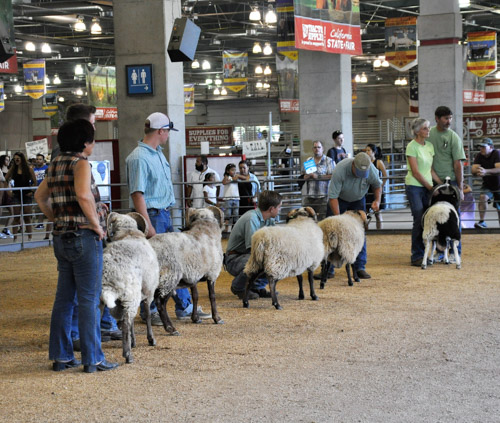
Here he is at the head of the class of Shetlands and Karakuls.
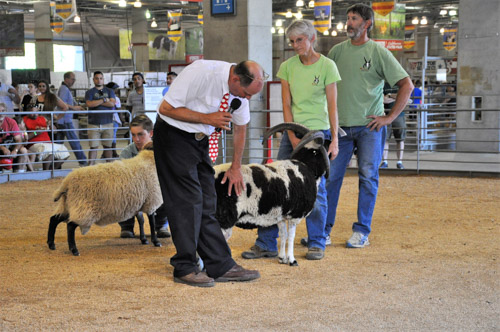
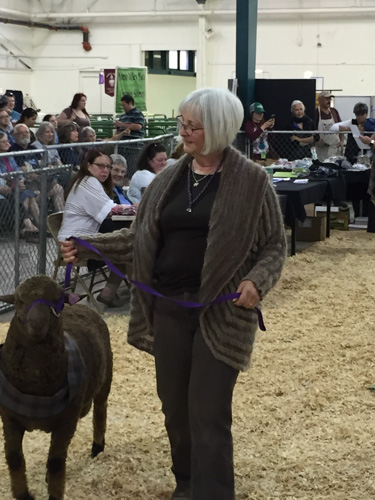
This is the Primitive Breeds Champion judging.
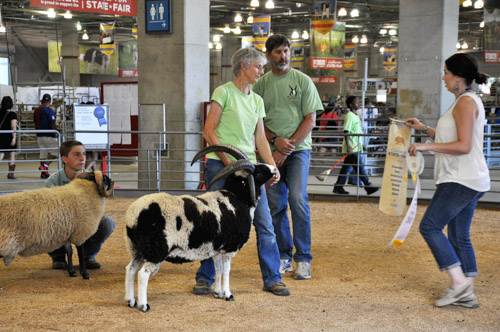
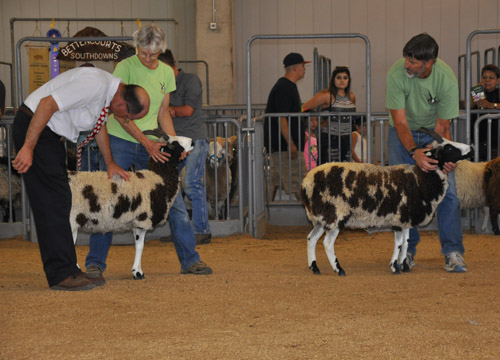
None of my other sheep did as well as Rotor. The judge preferred his fleece over that of my other sheep, although I think they are just fine. Meridian Honey, shown by my husband, had won Champion Jacob ewe at Black Sheep Gathering in June, but she was last in this class. That is part of showing any livestock, especially Jacob sheep. There is such a wide variety in acceptable traits in our sheep that it may not really be appropriate to judge them against each other. That is why Jacobs used to be judged by "card-grading". Each sheep would get a "grade" based on the characteristics--not putting one of a similar grade above another. But that's not how it's done in traditional livestock shows.
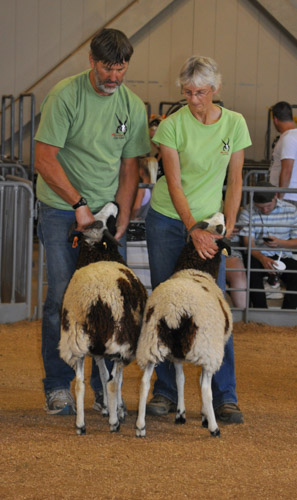
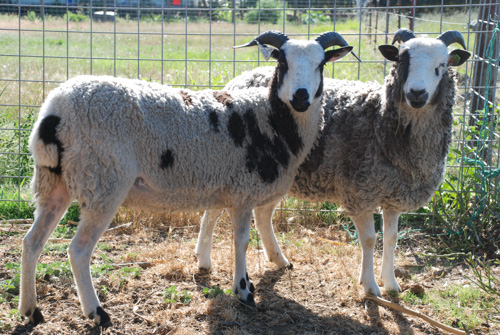
These are my two yearling ewes, Meridian Honey and Meridian Zinnia.
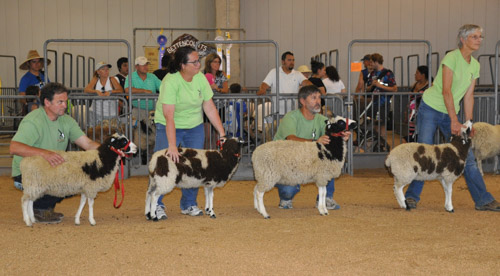
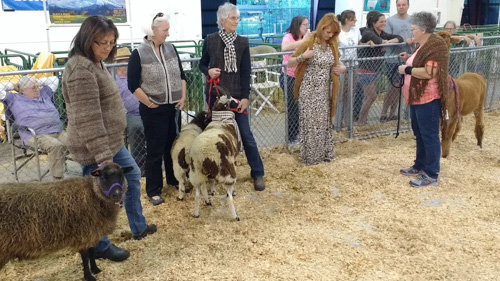
This is the Jacob portion of the Primitive Breeds ewe lamb class. The two lambs without much color have a bit more on the other side. They are sisters and my friend, Mary, has bought one of them.
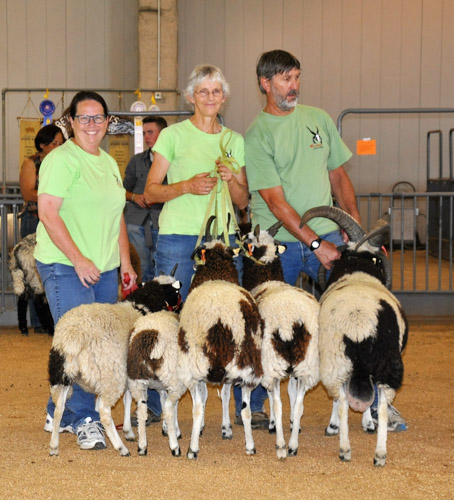
Here is our Flock entry in the Primitive Breeds Division.
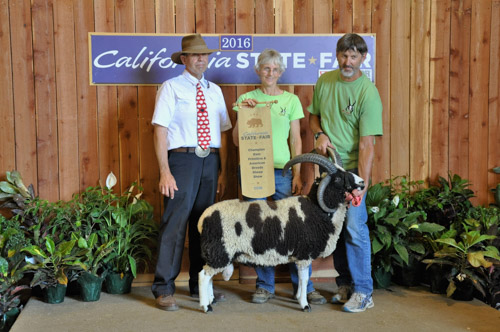
Rotor's debut on the photo stage after winning this show. See the previous blog for his other winning photos.
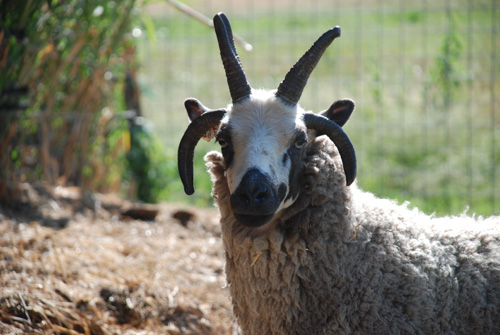
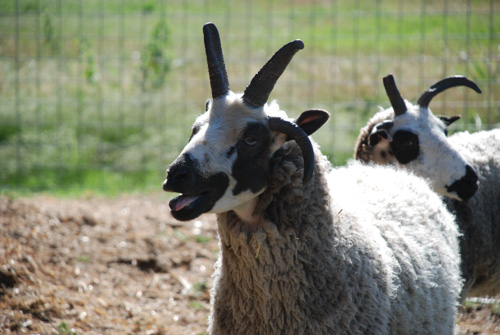
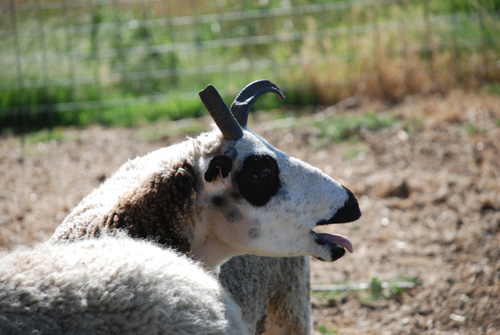
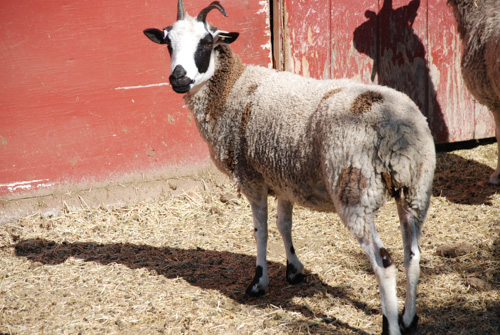
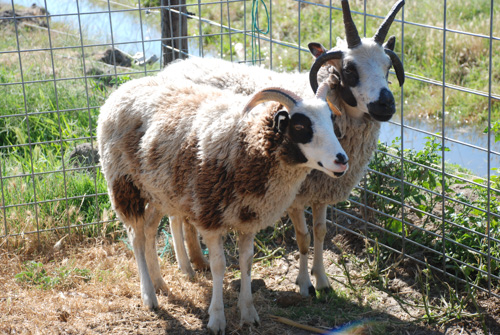
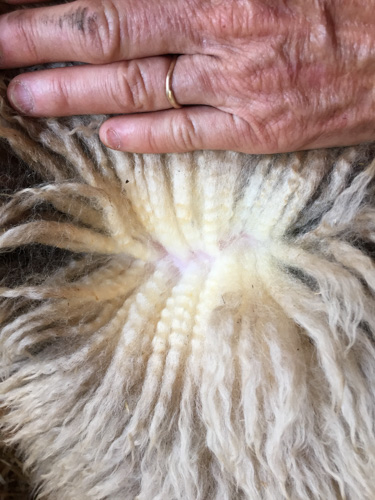
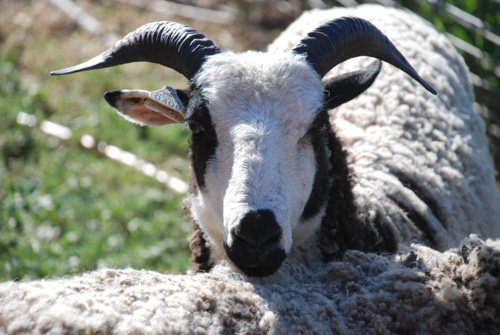
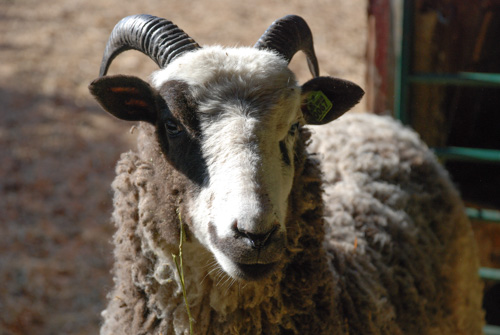 Shadow Mountain Shelby is a yearling...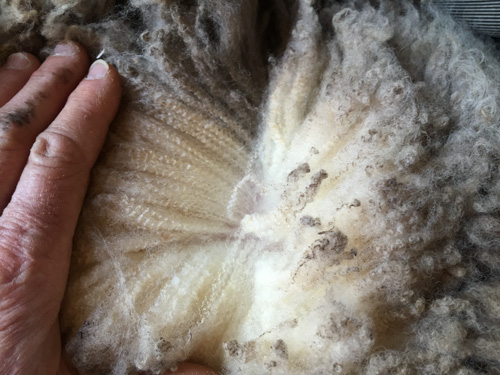
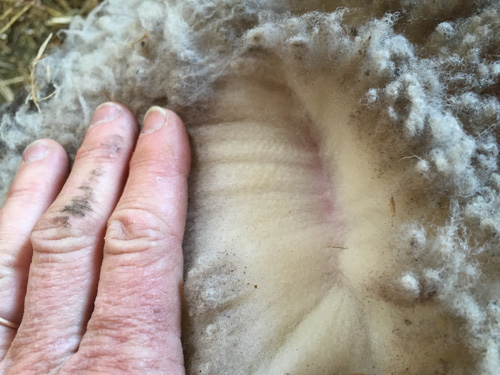
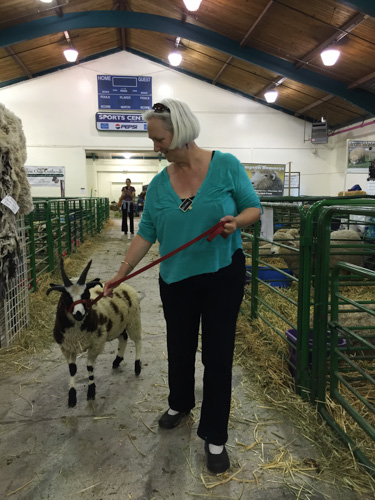
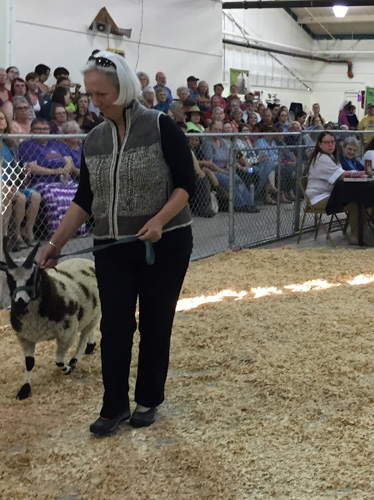
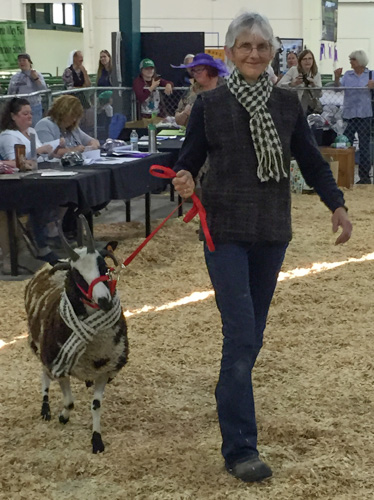
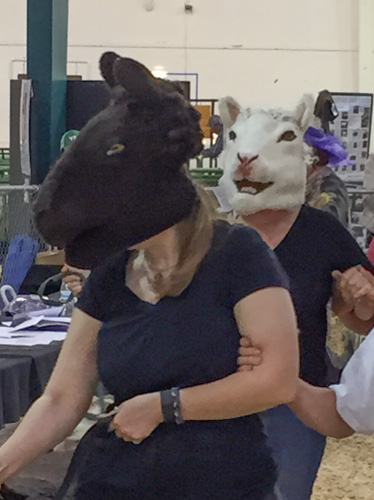
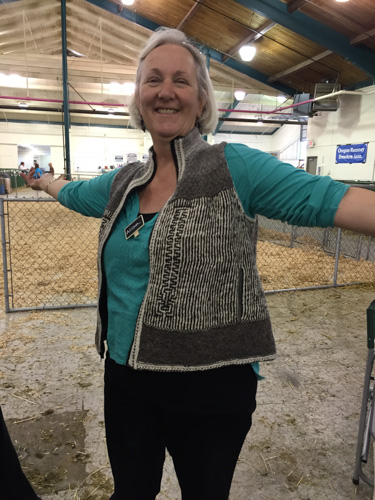 Alison and I both entered Jacob yarn vests. Alison's vest is incredible. She started this project three or four years ago, spinning Jacob wool into 4-ply yarn. She knit the vest using twined knitting to create a fabric that is windproof but stretchy--a natural alternative to Polartech. At one point Alison had knit the vest almost to the top but was not happy with it and ripped it all the way back to the cast-on row! It features i-cord band, sewn in zipper, and pockets.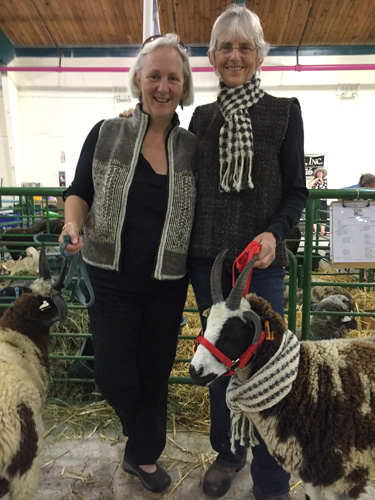
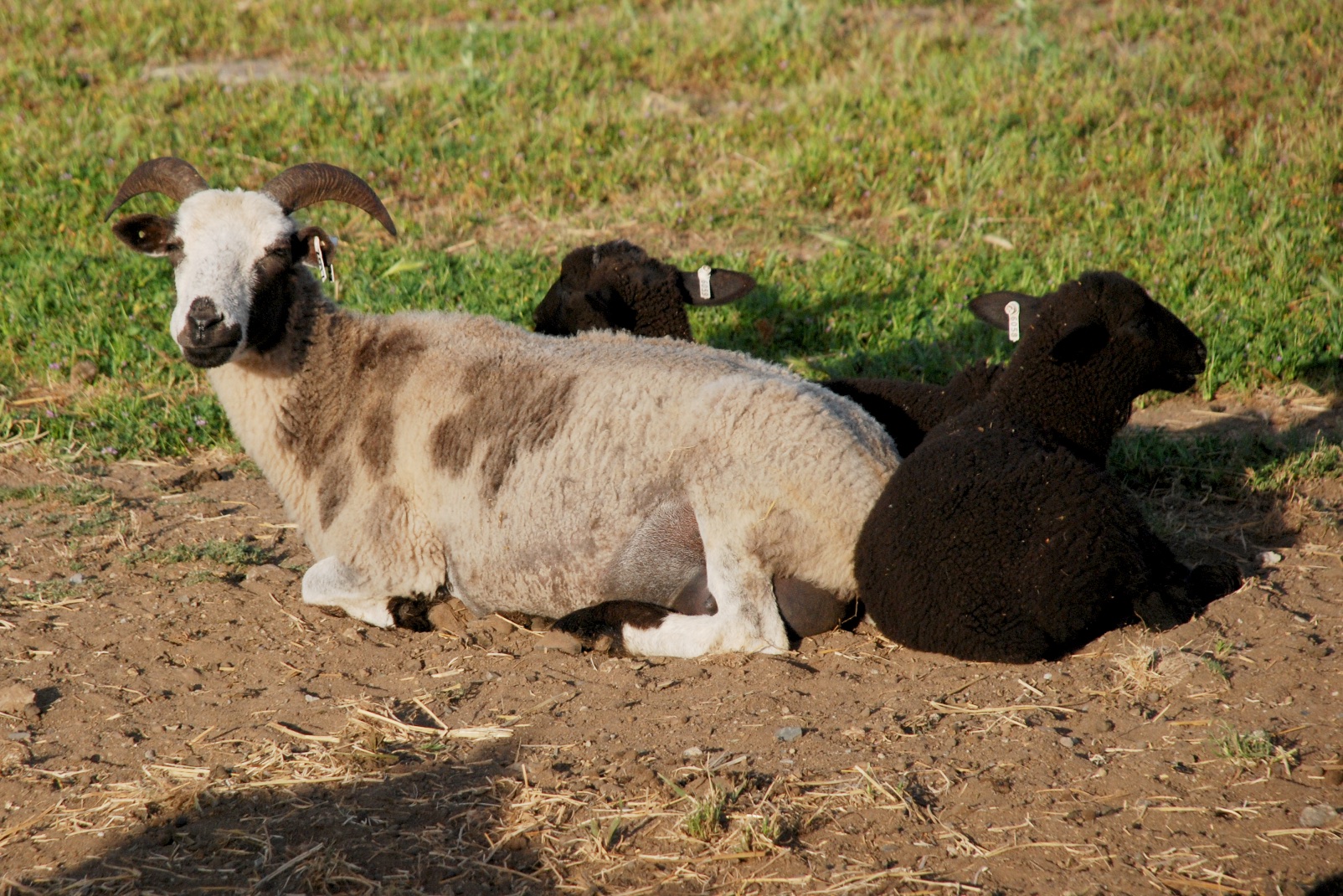 Ginseng and BFL-X lambs.
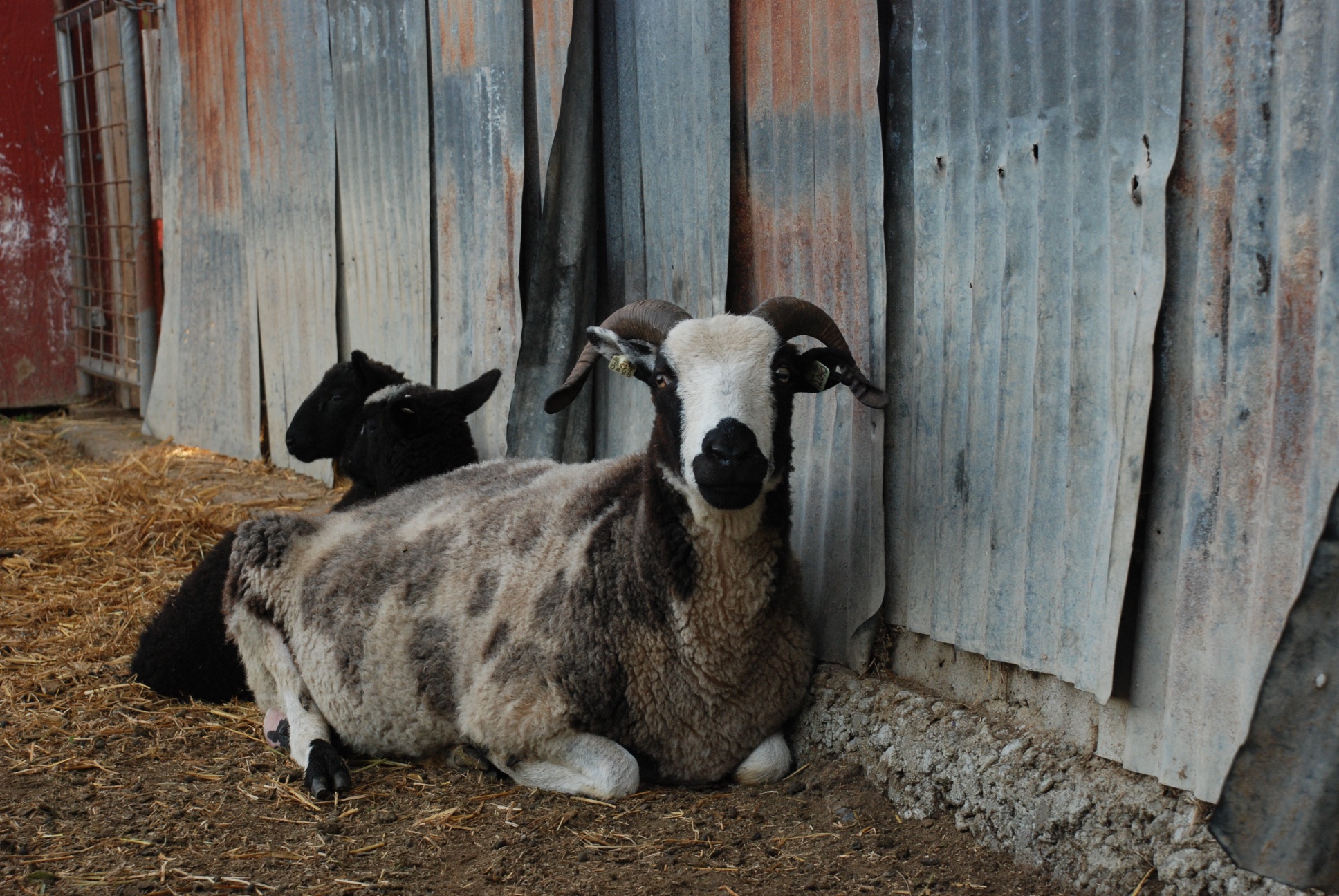 Fandango with lambs.
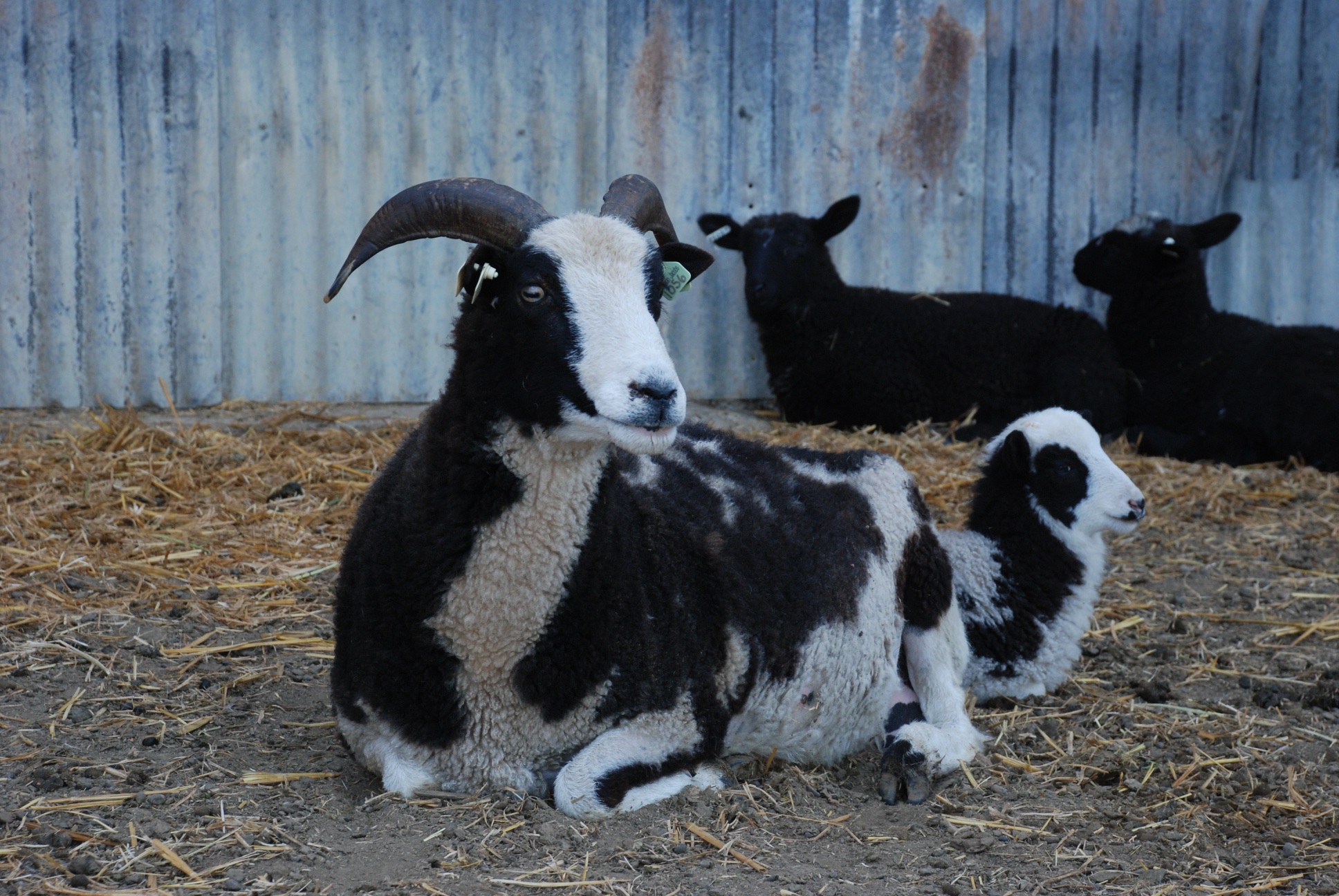 Hot Lips and lamb.
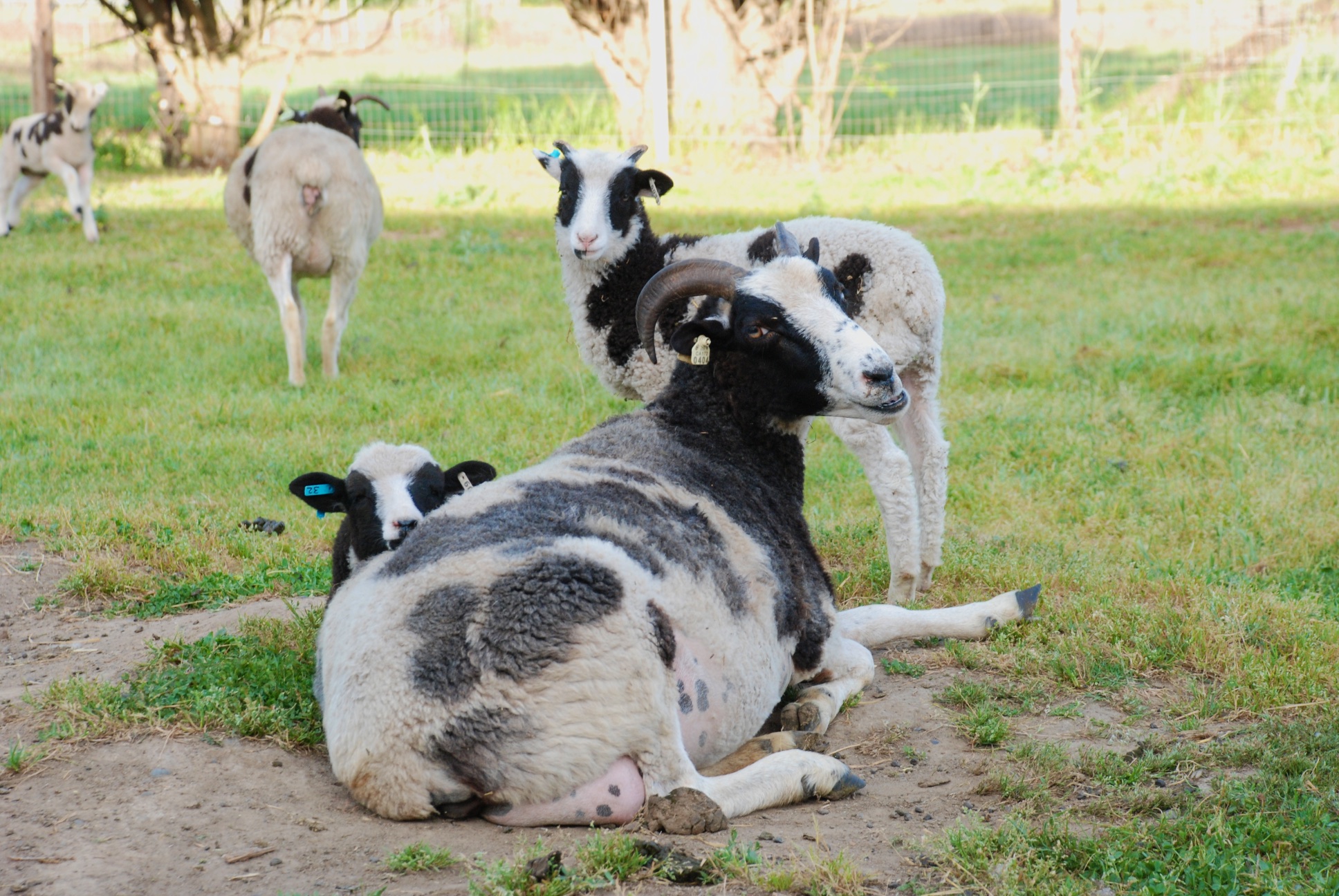 Alexandria and her lambs.
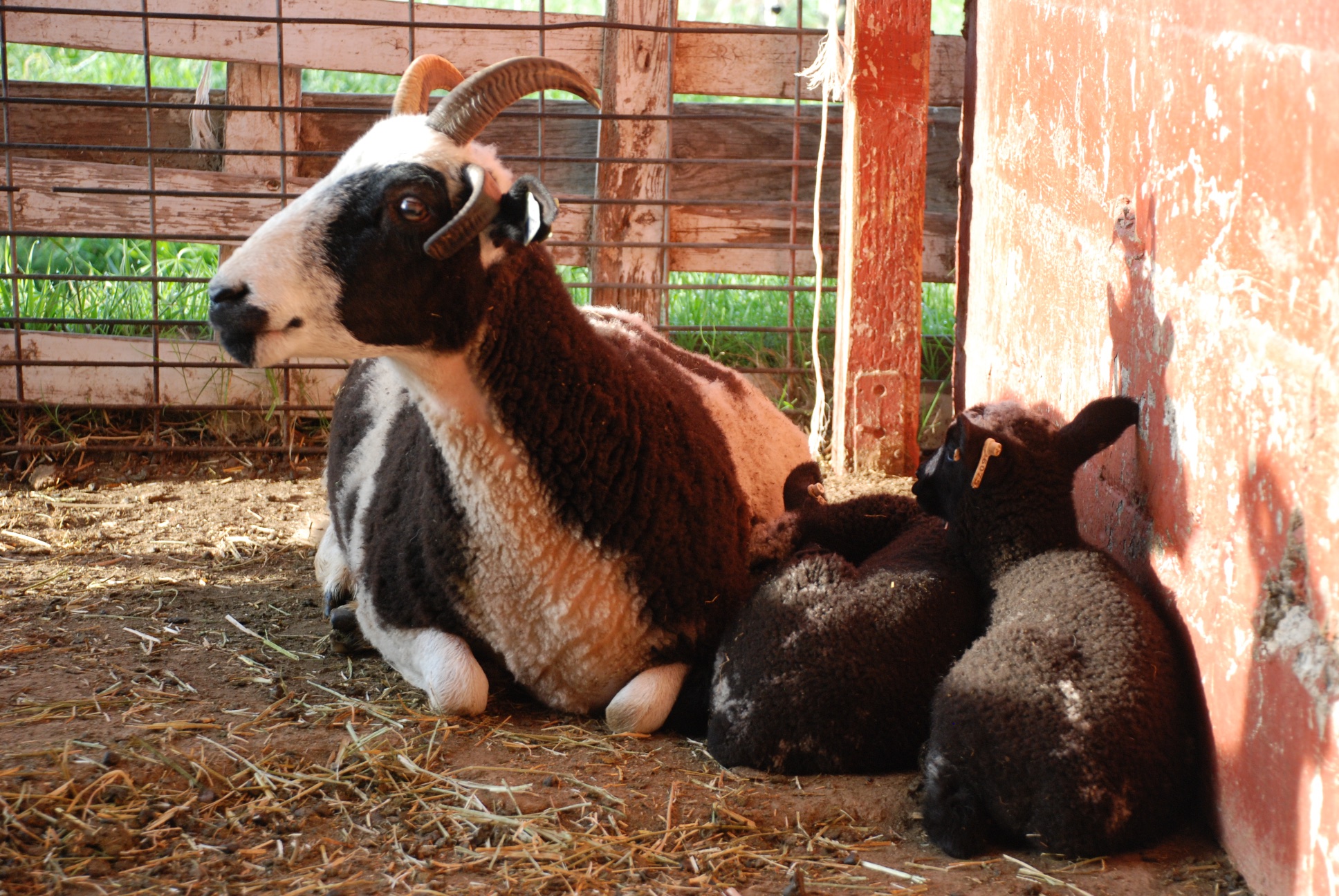 Isabelle with lambs.
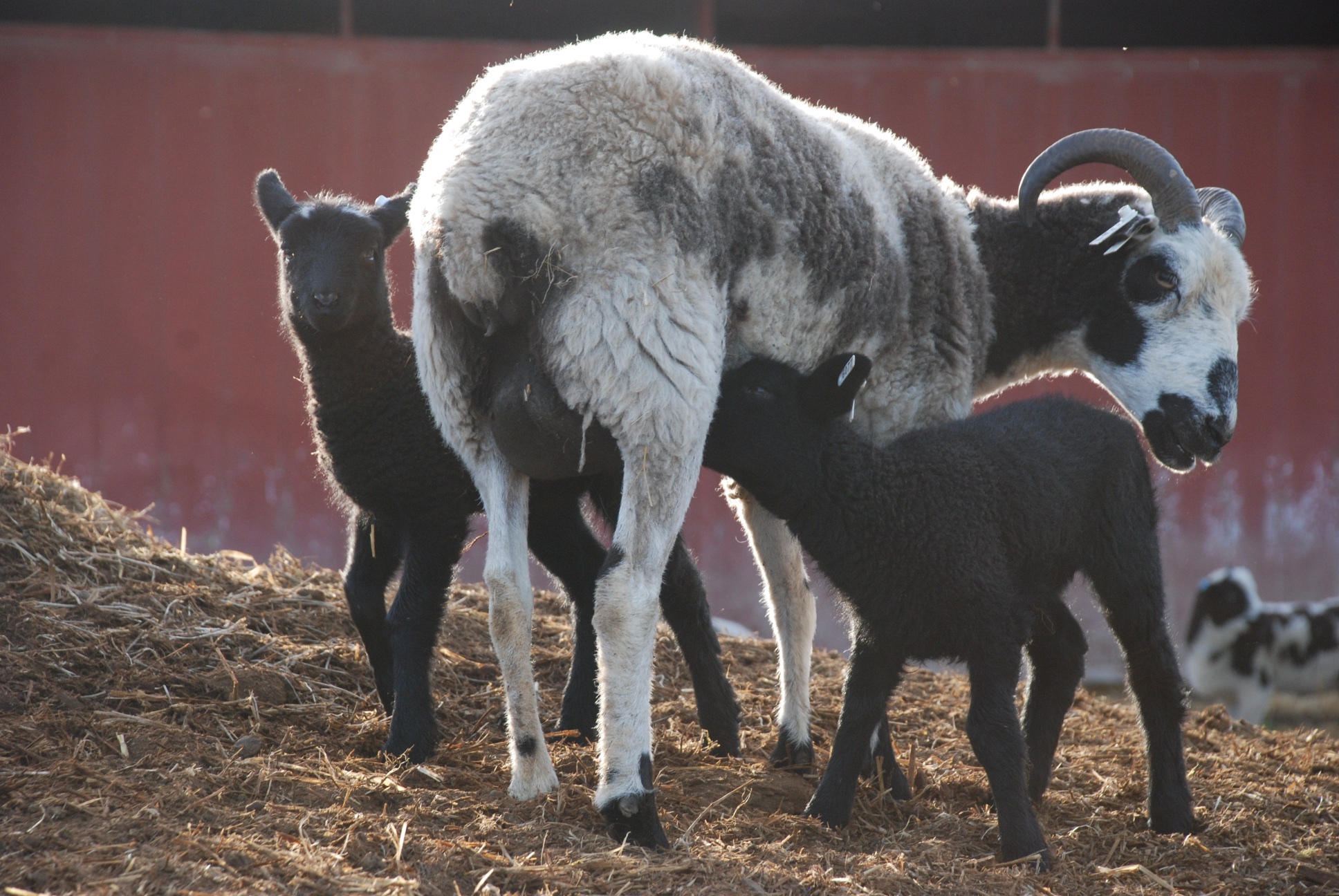 Melinda and lambs.
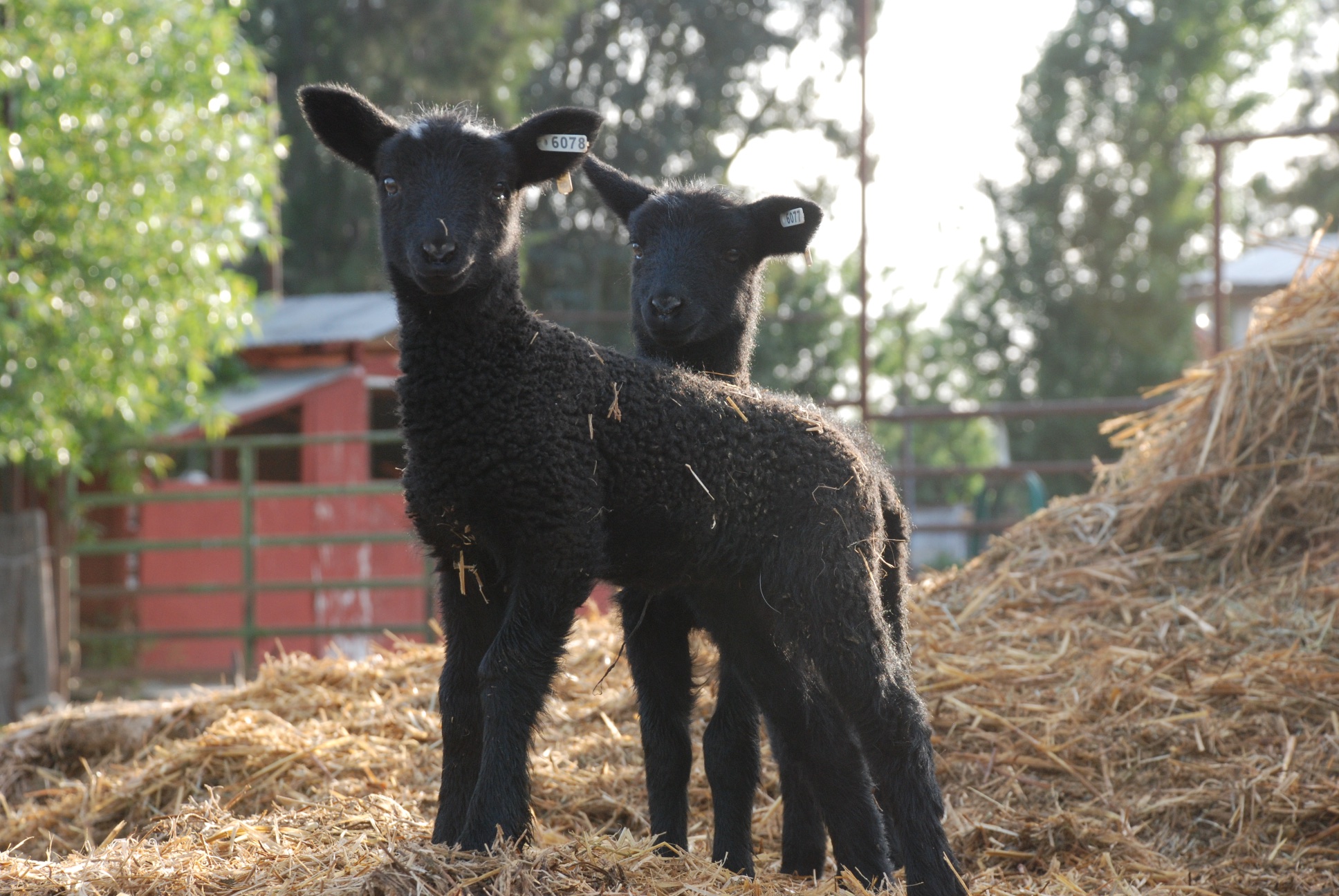 These were the last ones born this year.
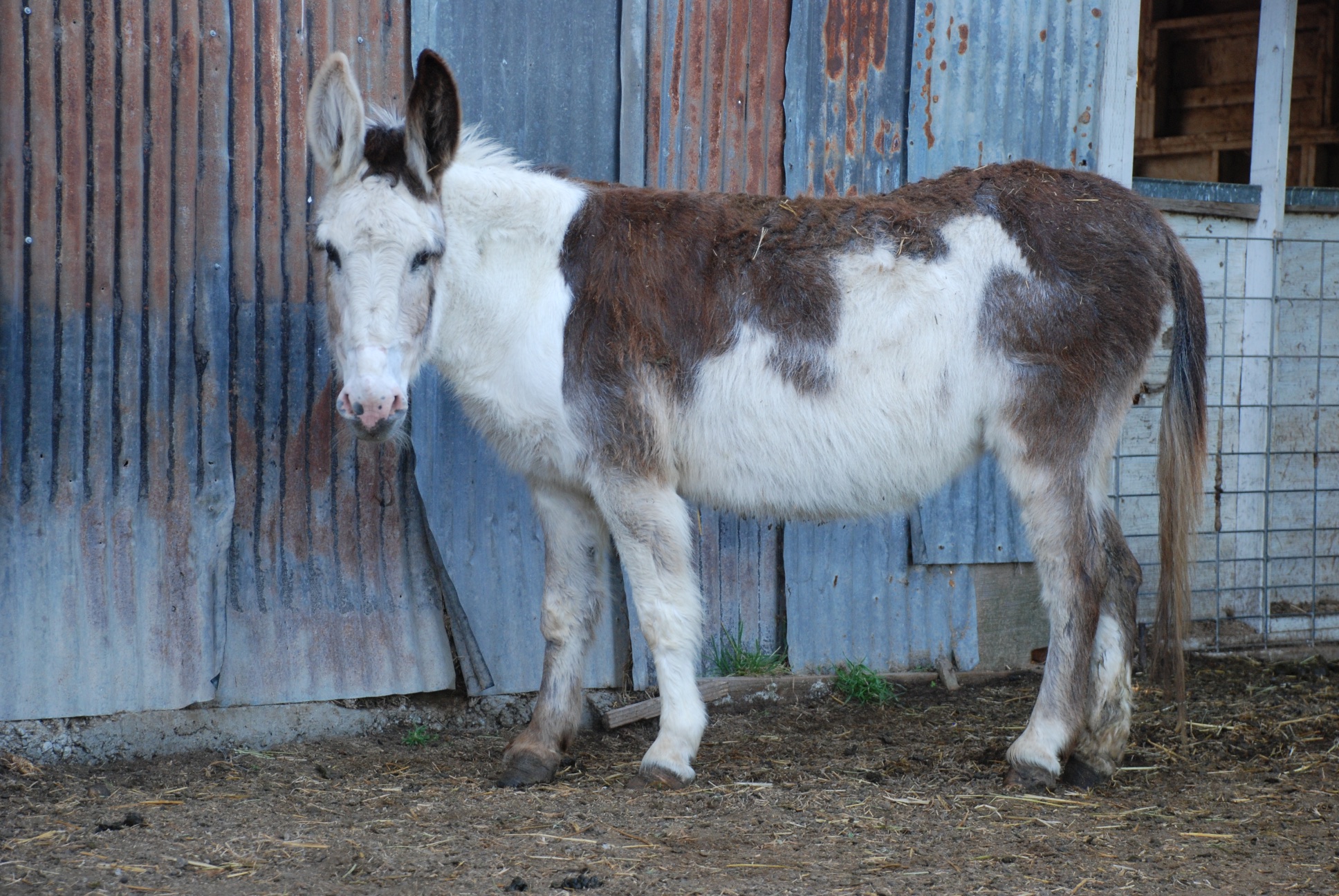 Amaryllis.
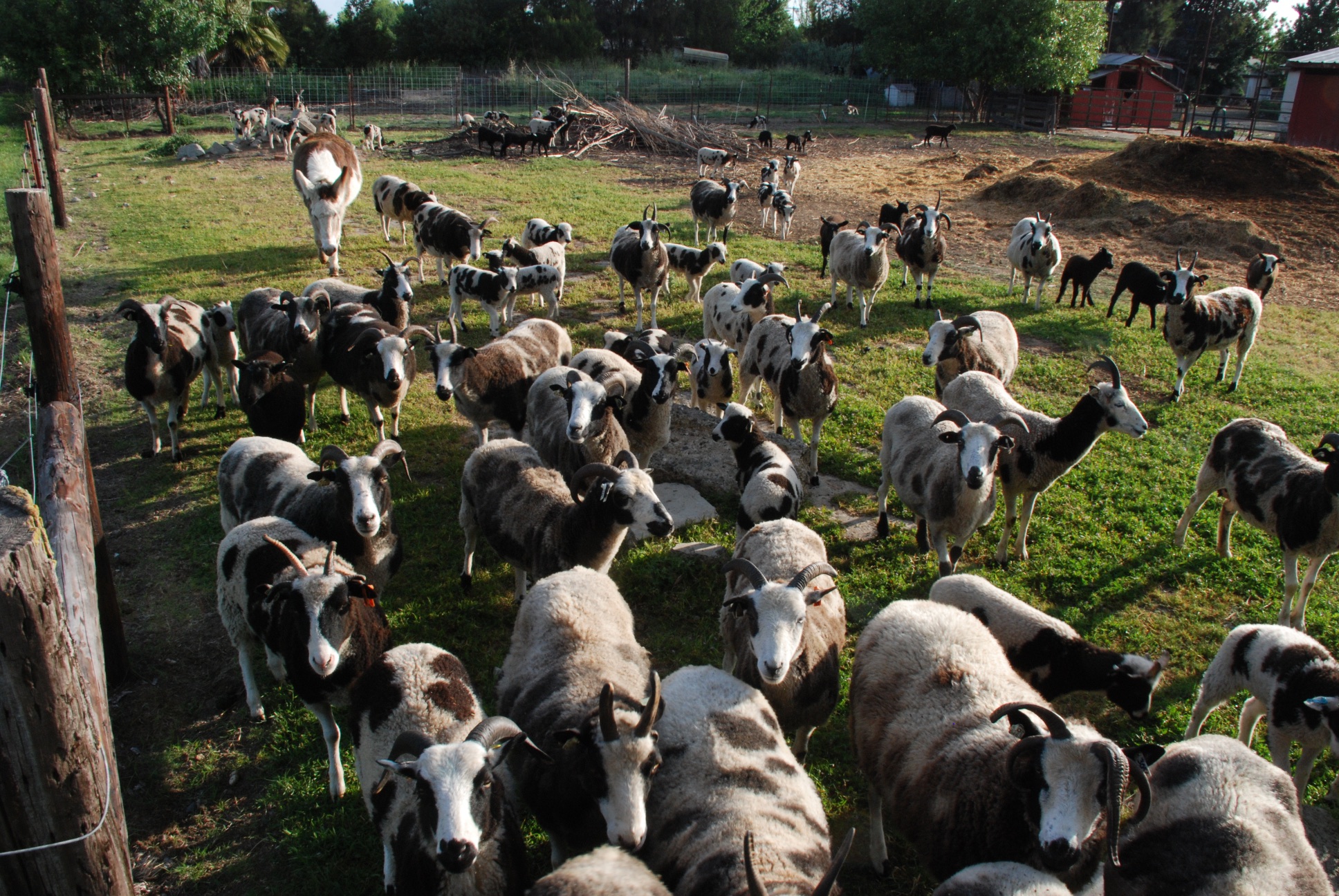 Sheep looking hopeful as I climb back over the gate.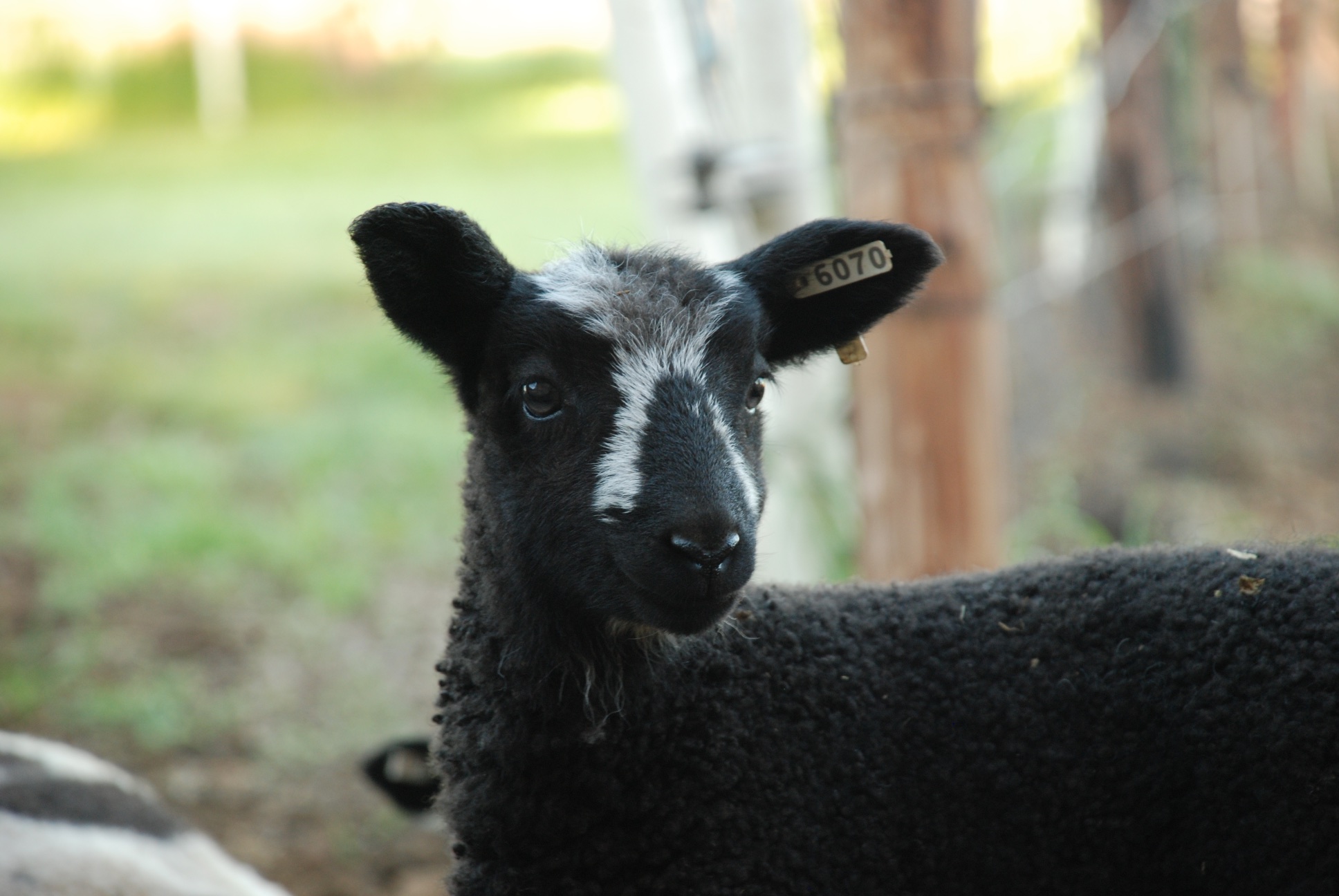
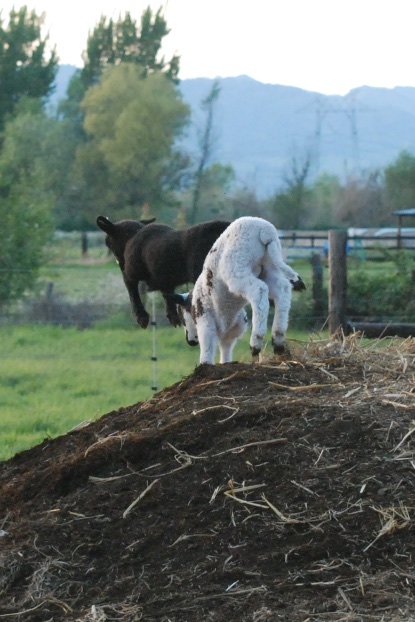
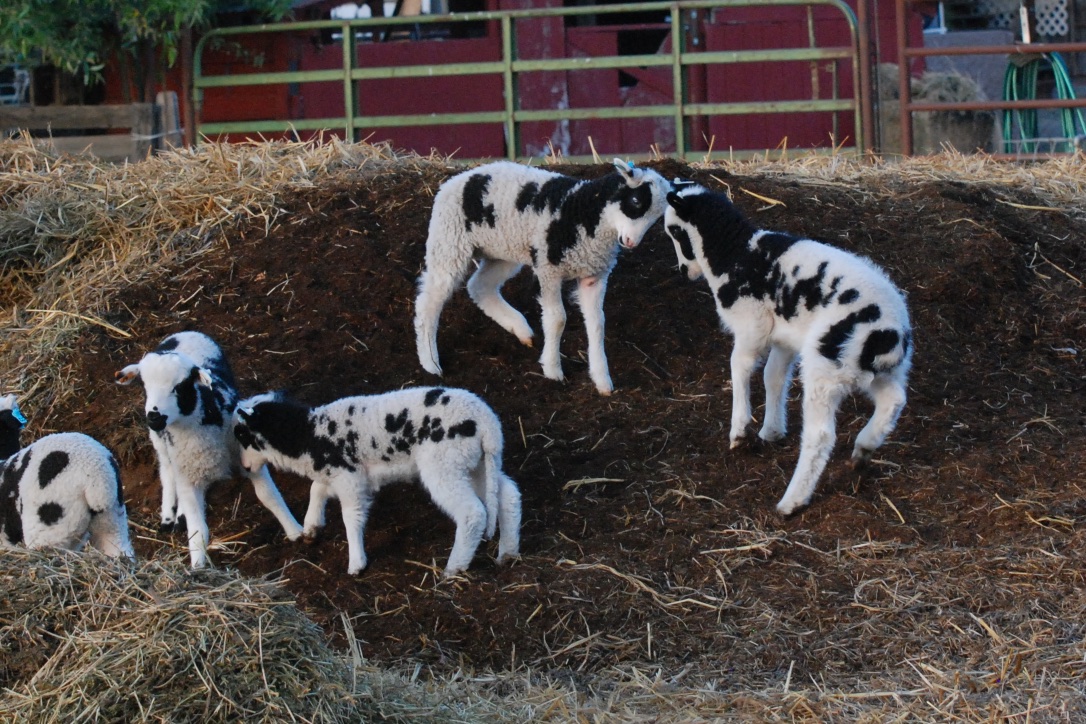
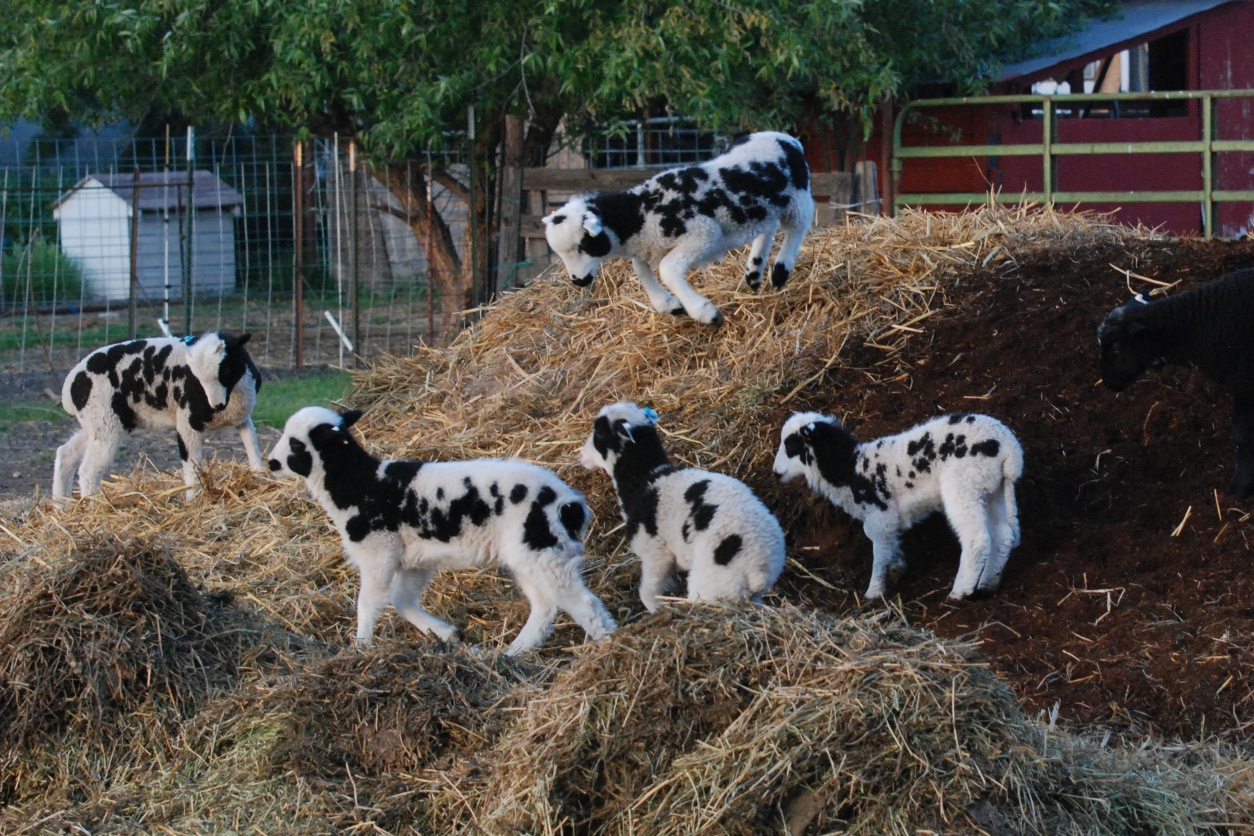
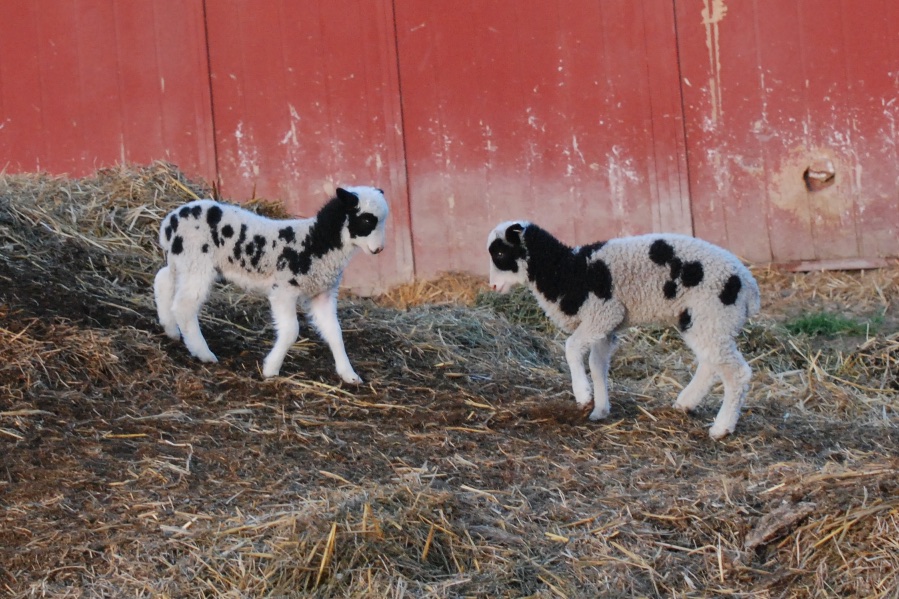
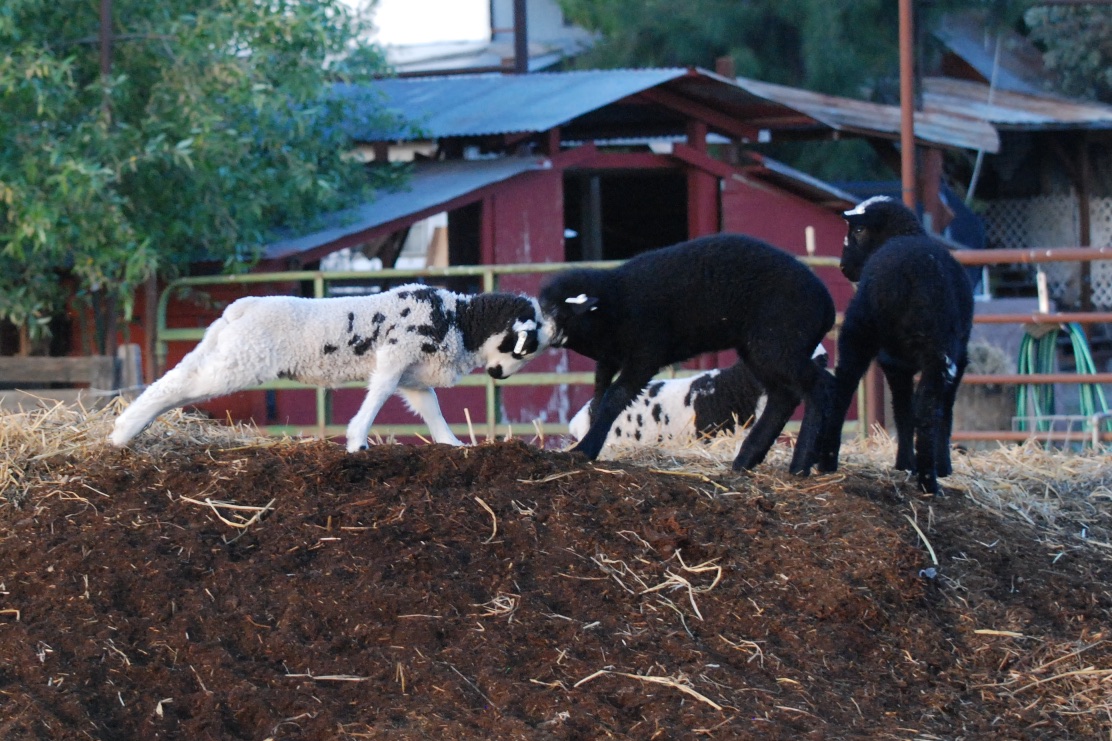
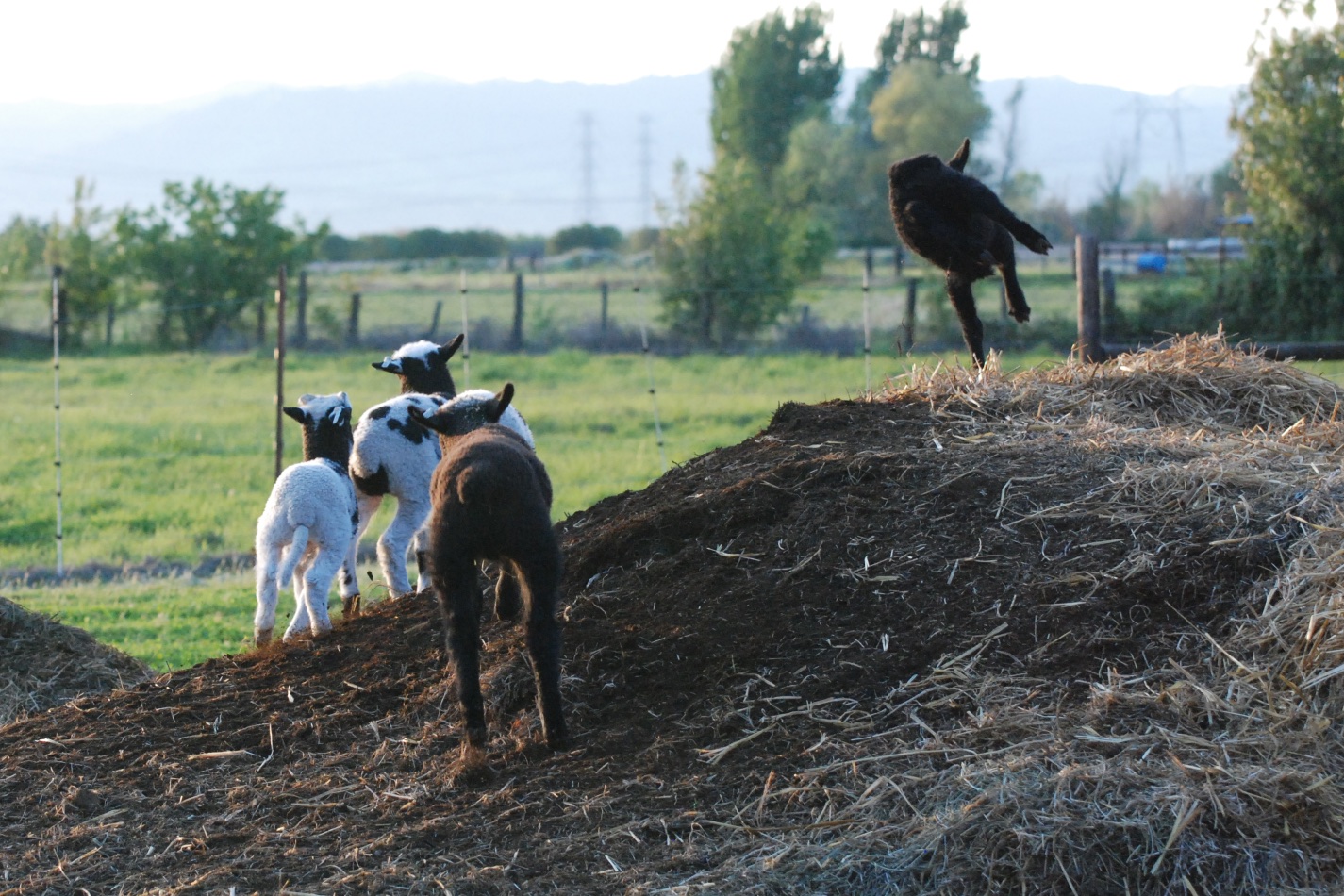
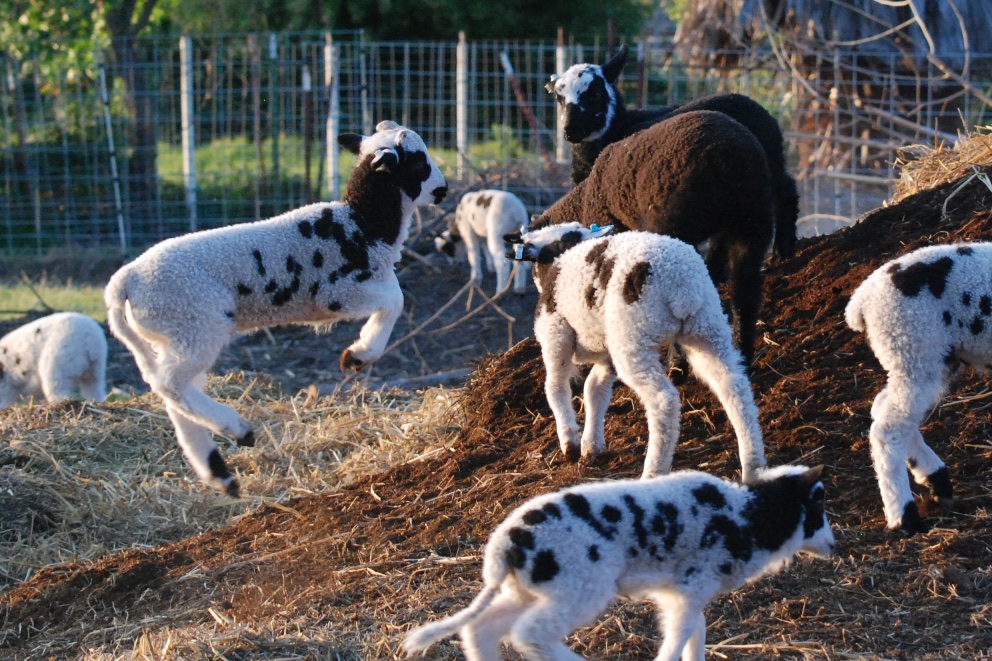
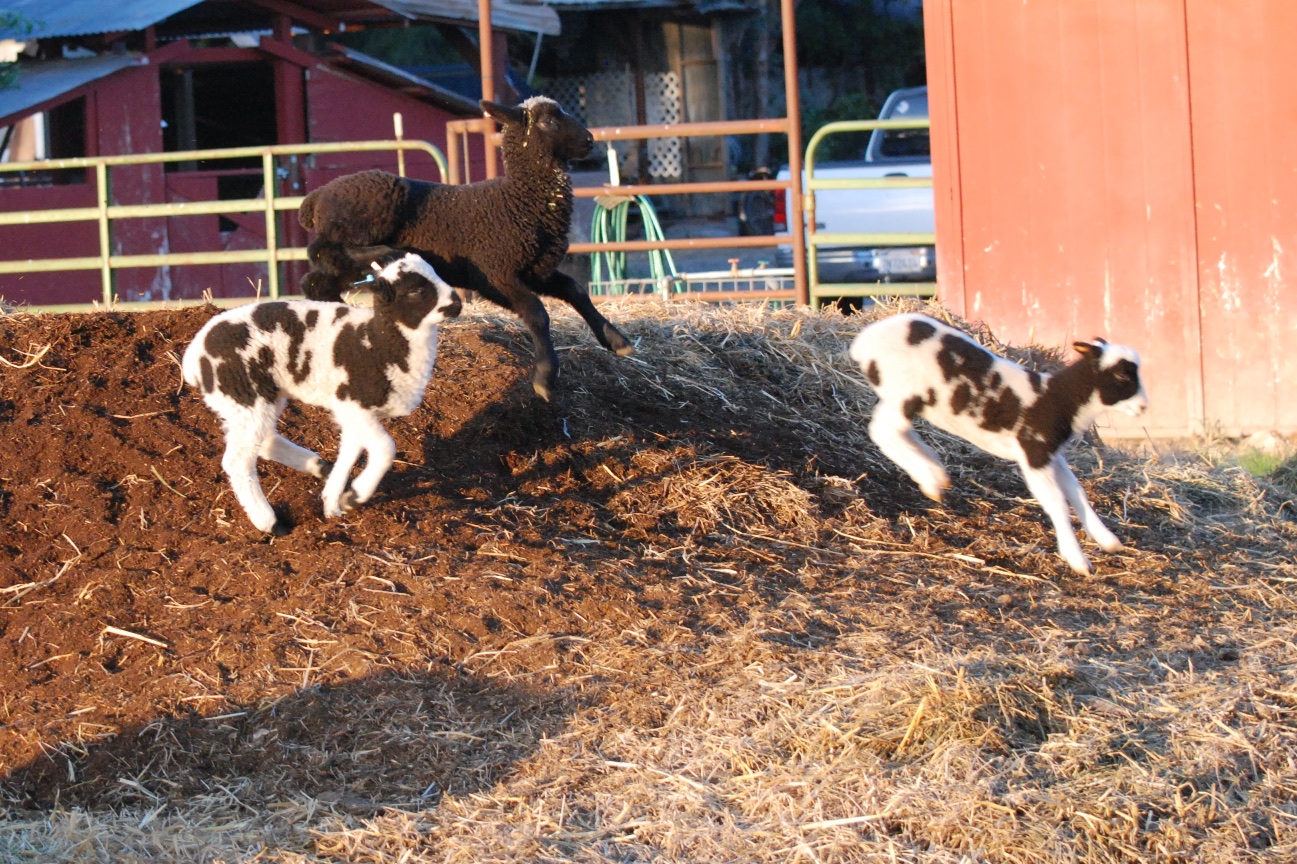
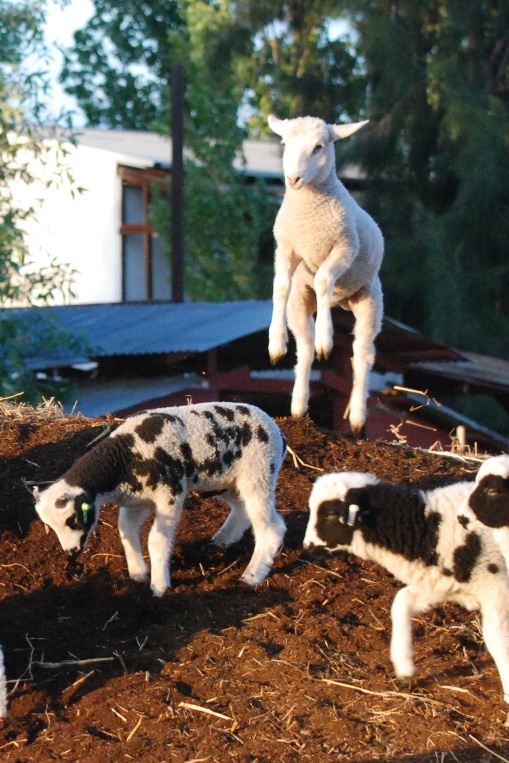
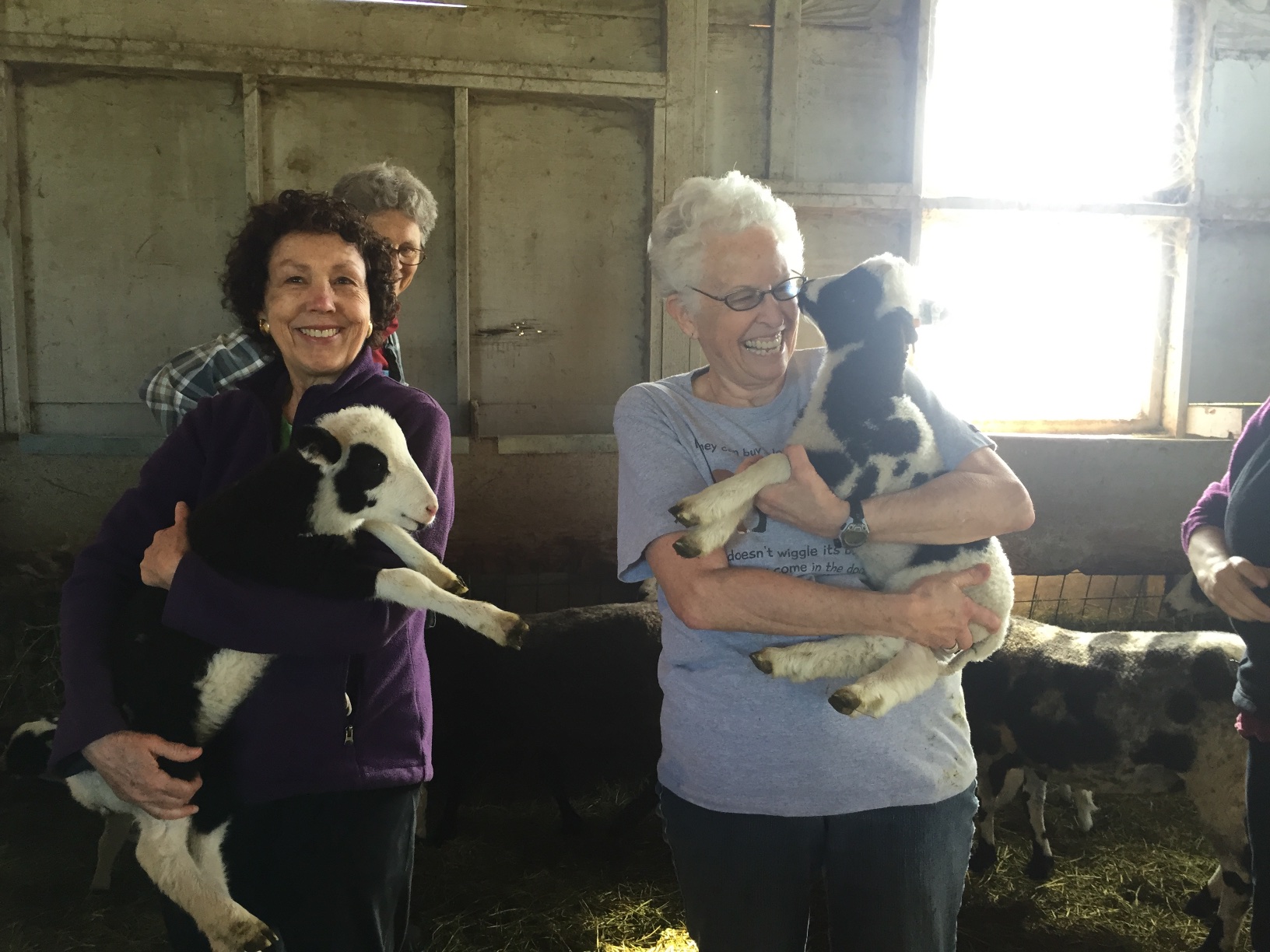 We caught all the lambs to check for number of horns and split eyelids (a trait that is sometimes seen in 4-horn lambs).
 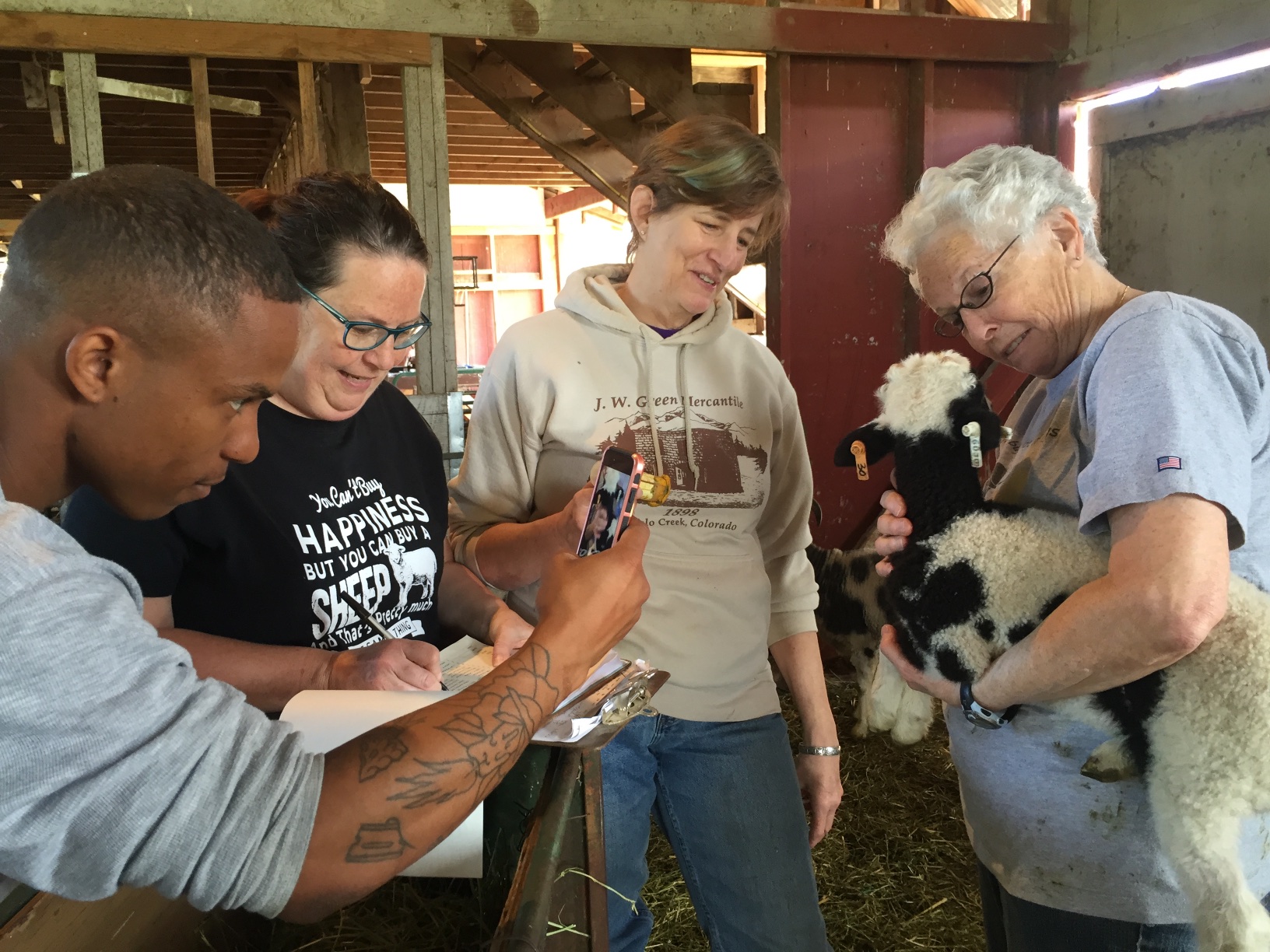 This was also a good time to check the paperwork and make sure that I had recorded the gender and sires correctly.
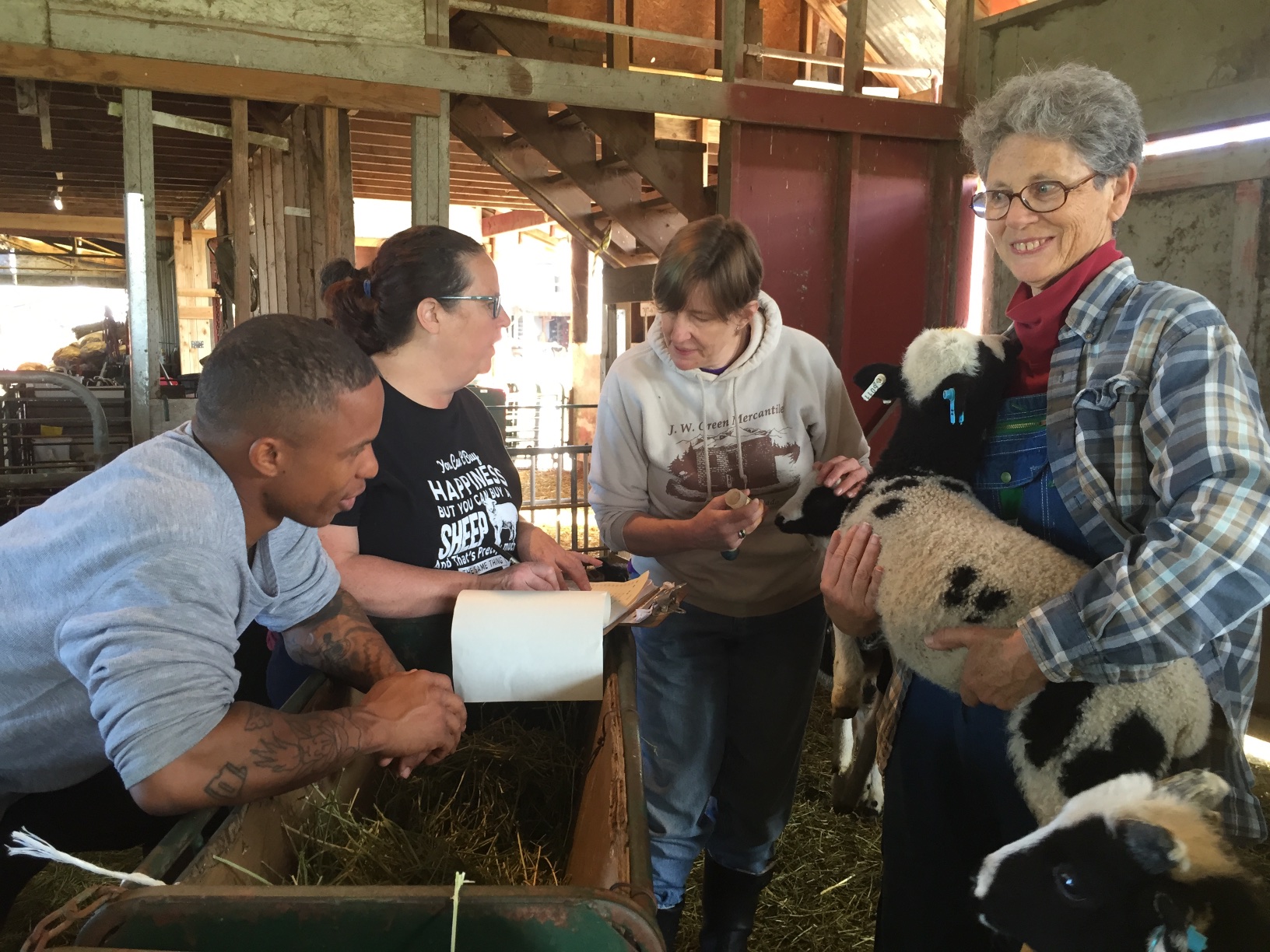 My neighbor who recently purchased sheep was here also to get some hands-on experience. He told me that a recently purchased goat had kidded that morning and he wasn't sure the kid had nursed.
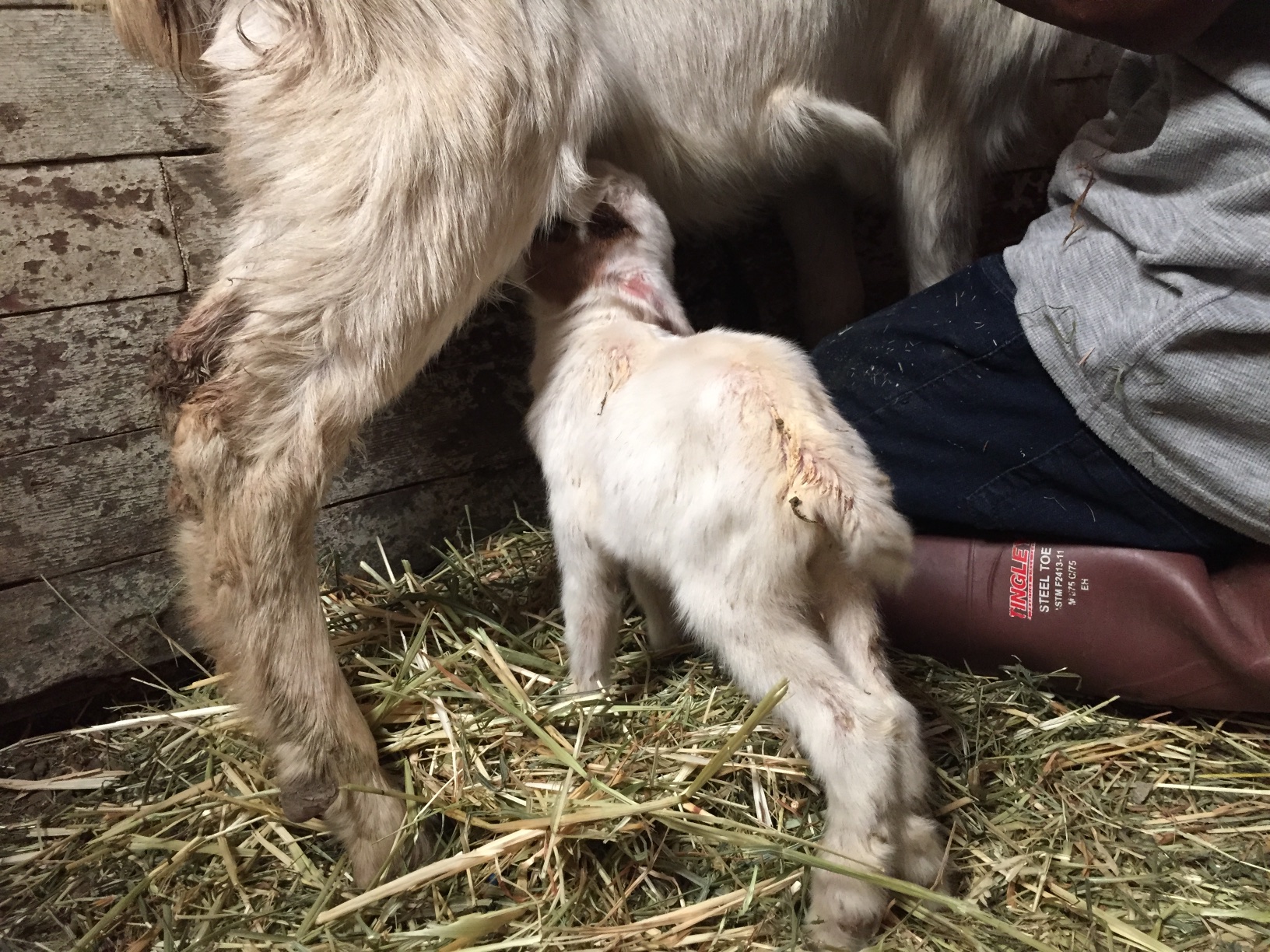 I went to his place at lunchtime to check on the kid and while he held the doe (very skittish) I got the kid nursing.
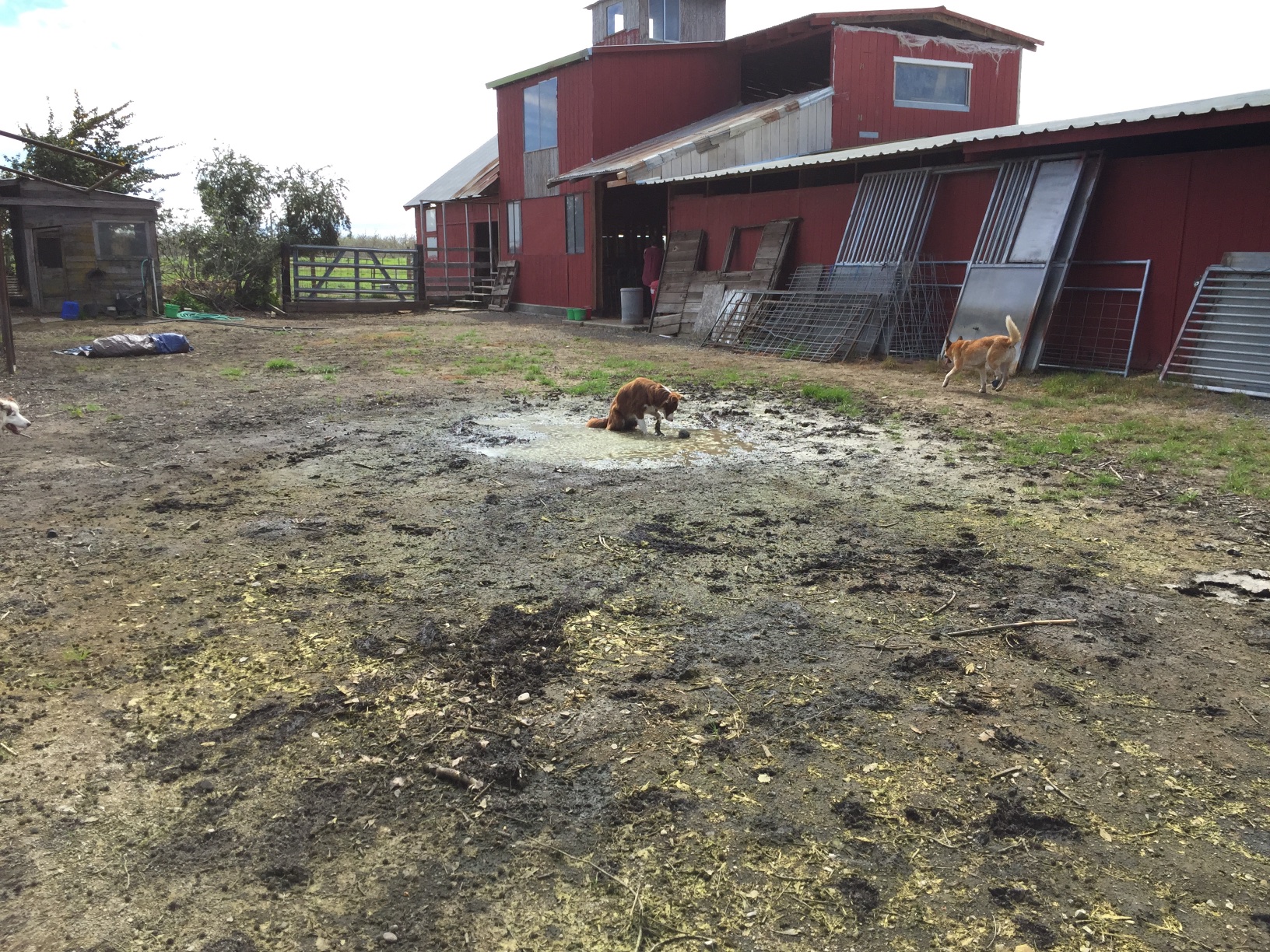 Back at our place, we finished moving sheep around. I moved "Ginny's flock" of wethers and she was so hot when she was finished that she found the only accessible mud puddle to sit in.
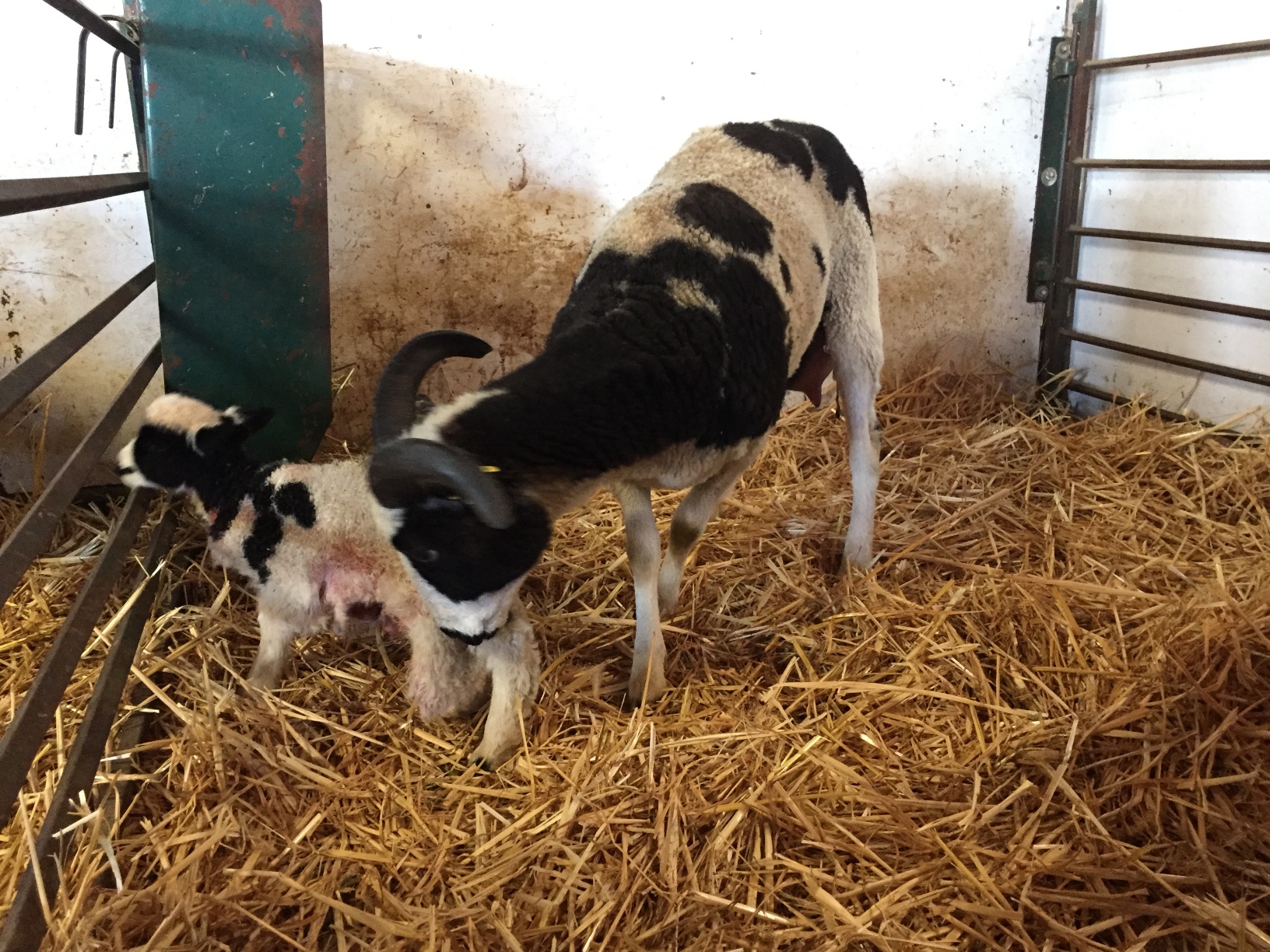 Last in the afternoon we decided to try grafting a lamb onto a ewe whose lamb had been killed the day before. I had debated it that day and at the time didn't want to deal with it. But I had some new twins and though it was worth a try. This method of grafting is not as pleasant or as satisfying as "slime" grafting where you just cover the adopted baby in the birth fluids so that the mom will think the lamb is hers. With this method there is a dead lamb and you need to use it's skin to cover the adoptive lamb to trick the mom into thinking it's hers. That photo above is the lamb in the skin before I cut it to fit better. Bea, the young ewe, was unsure. The scent of her lamb was there but the sound wasn't right. The lamb didn't want to nurse at first and when it did Bea wasn't happy about it.
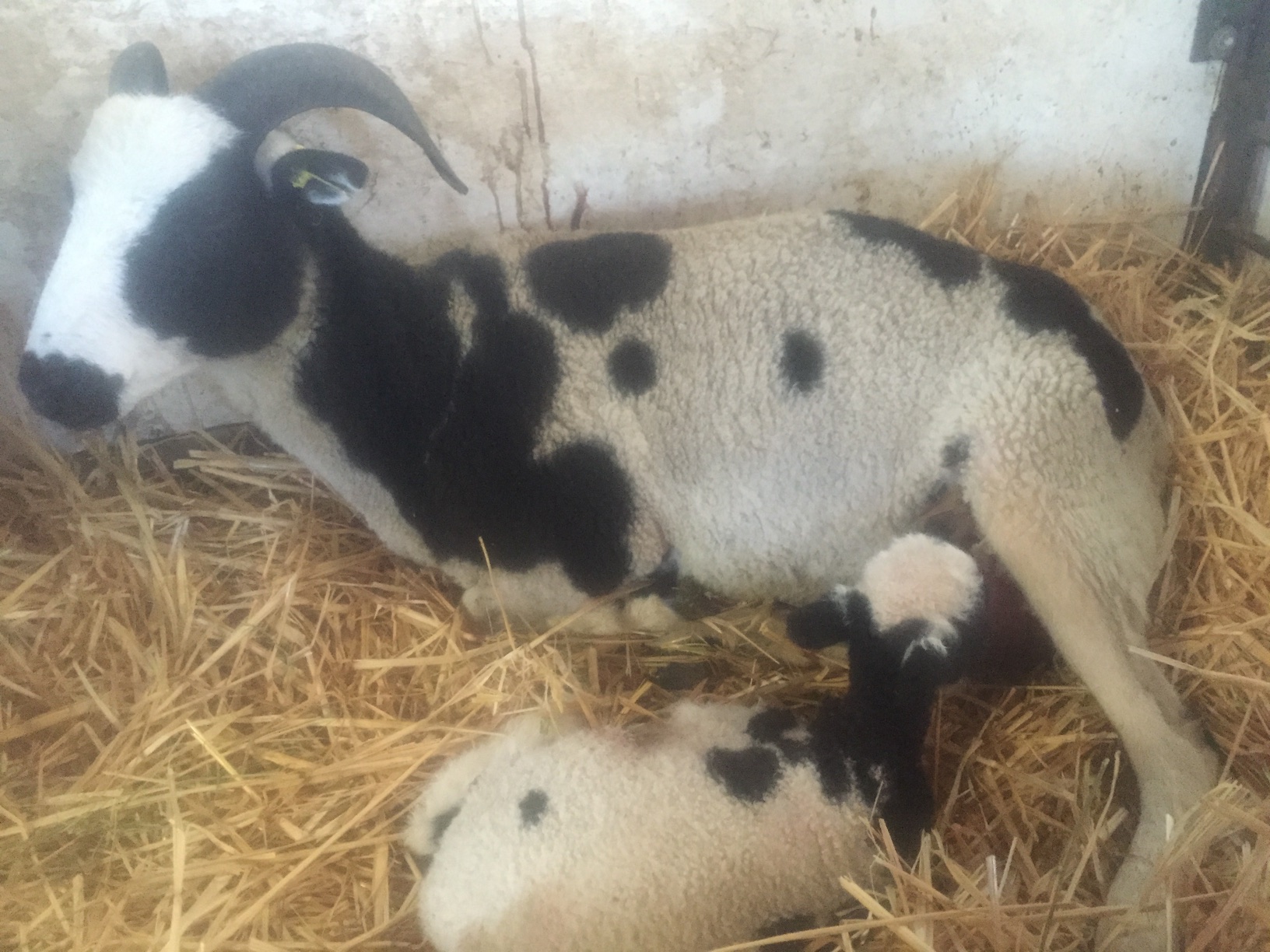 This photo is blurry because I must have smeared my iPhone lens while working with the lamb. When Bea finally lay down while trying to avoid me attaching the lamb to her teat I was able to get the lamb to nurse on the engorged udder. For a day or two I needed to halter her or just stand there.
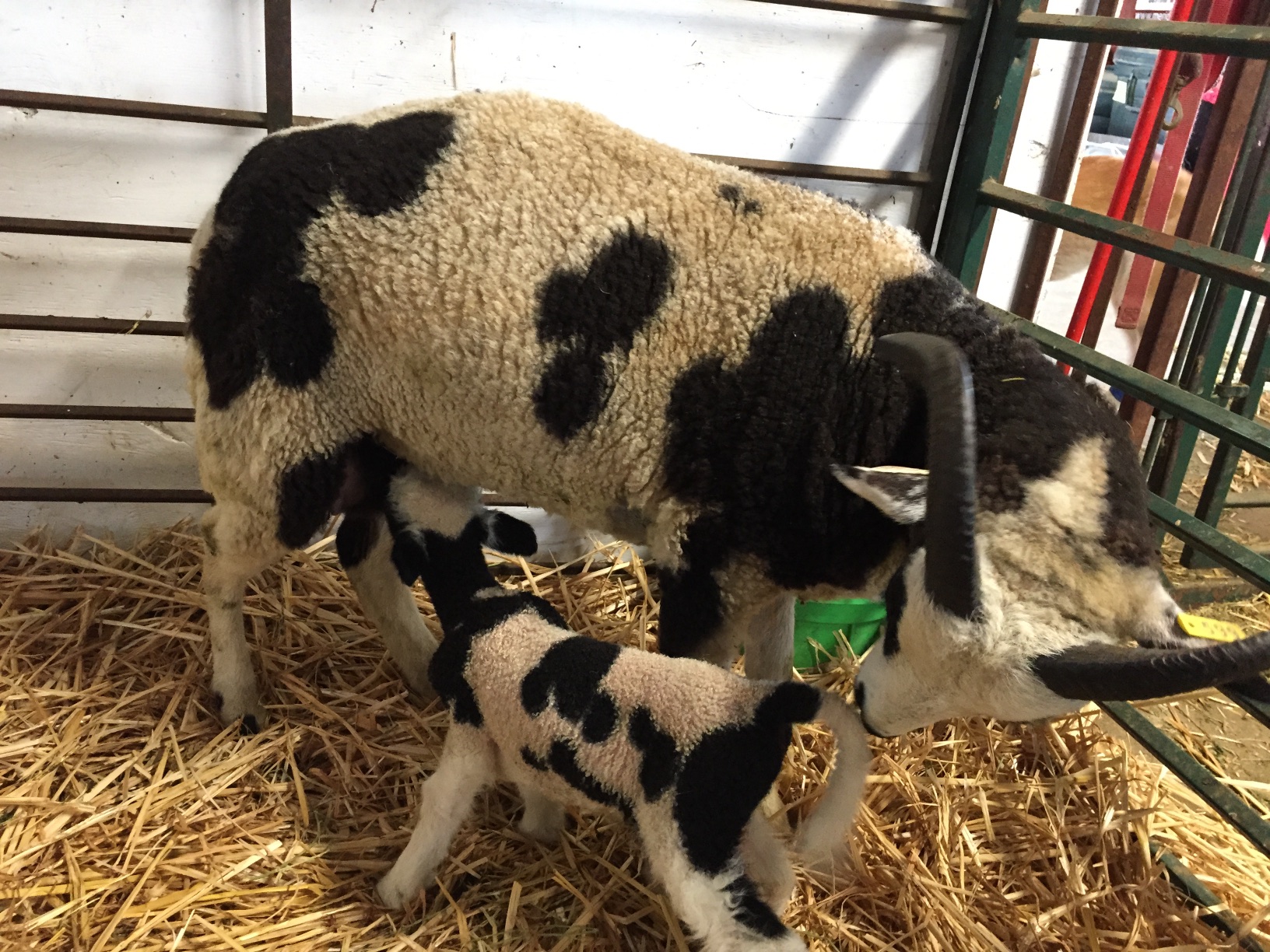 At this point Bea has completely claimed the lamb as her own. (The dead lamb's skin is gone in this photo--I took it off the next morning.)
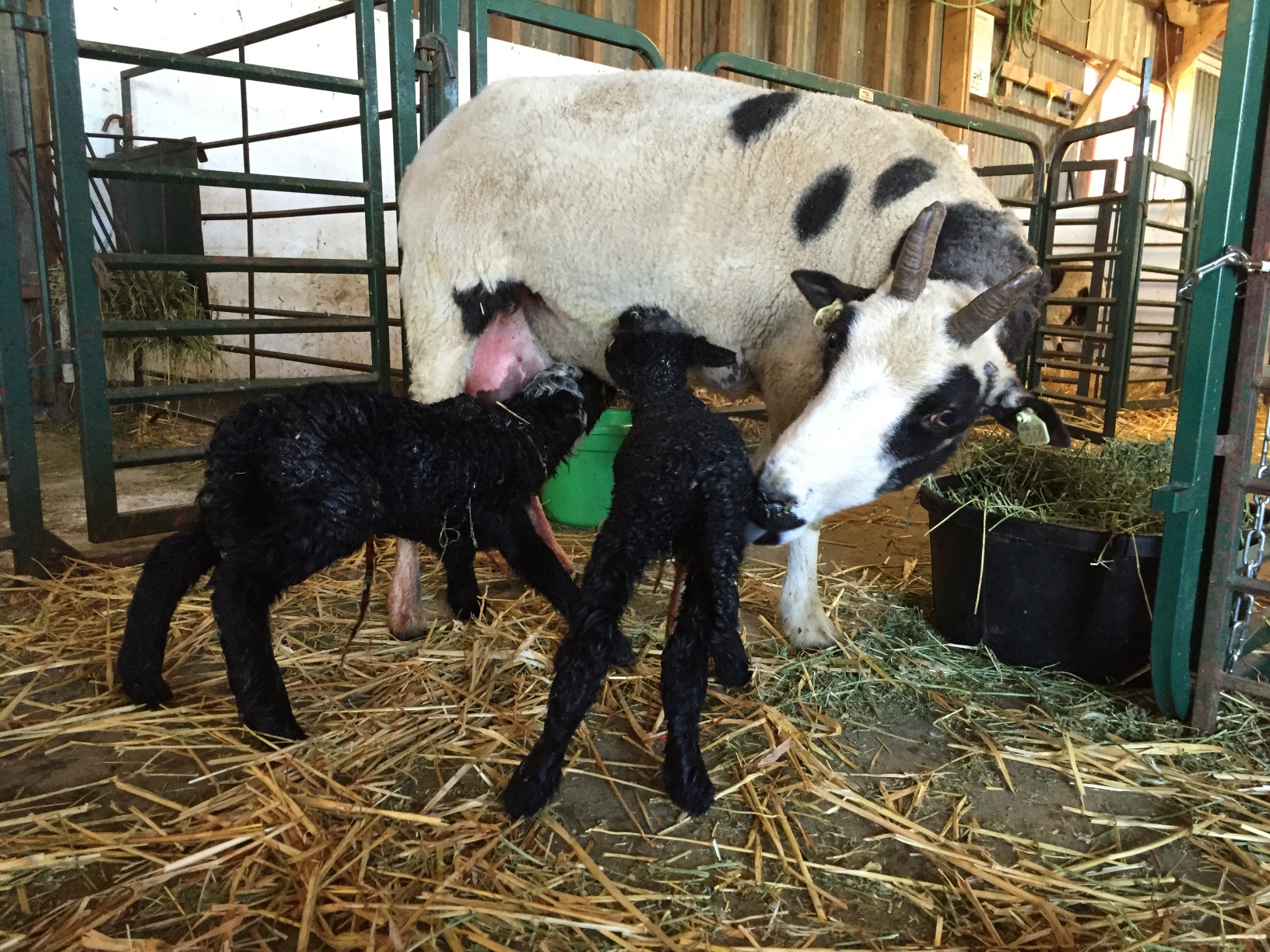 We were impatiently waiting for Jazz to lamb. I was sure that she would have triplets because she was so huge. She surprised me with twins the day after Farm Day. They are 9.6 and 12 pounds. At that size it's good there were only two of them.
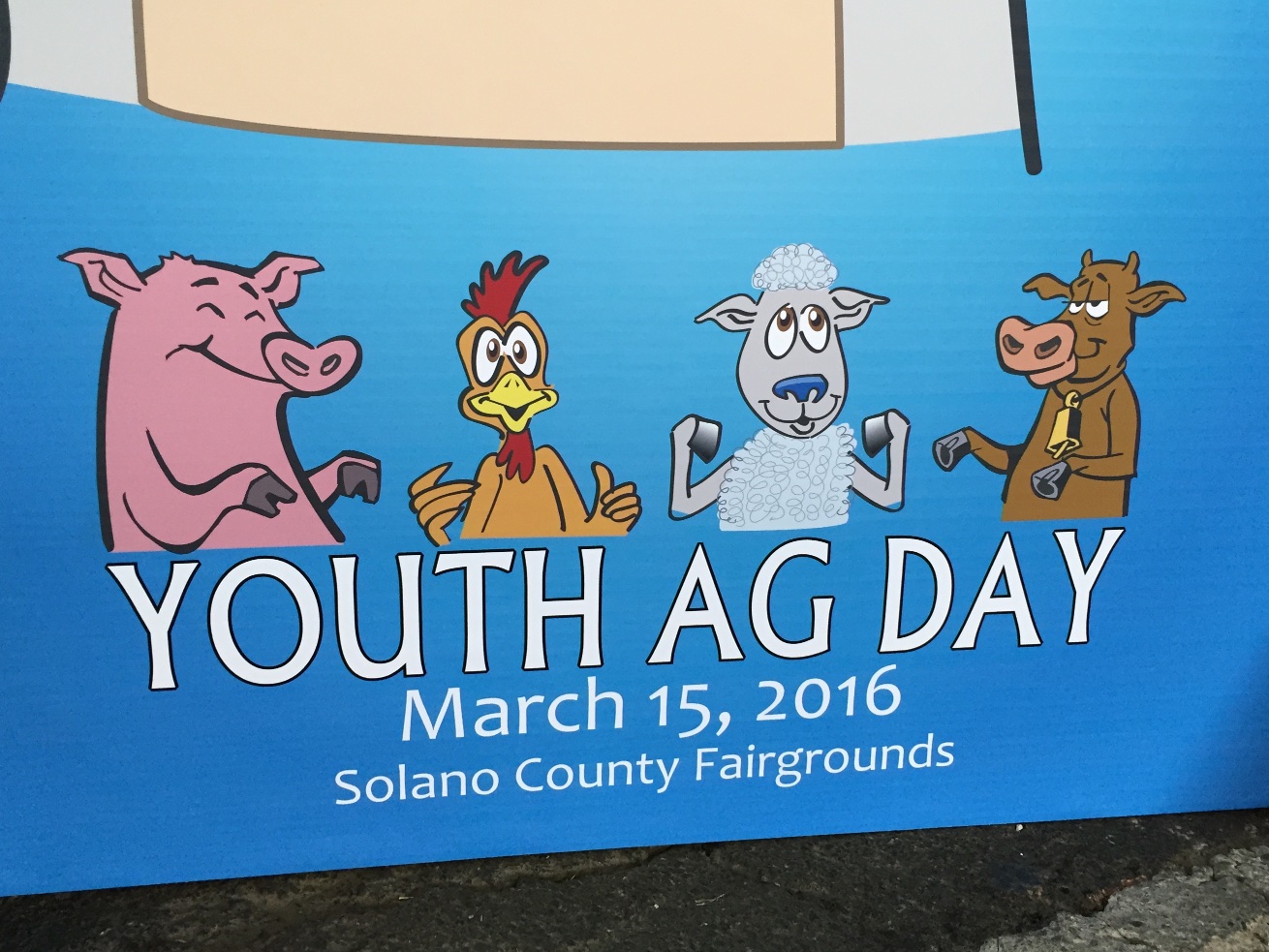 This event is attended by almost 3000 third graders and their teacher and parent helpers.
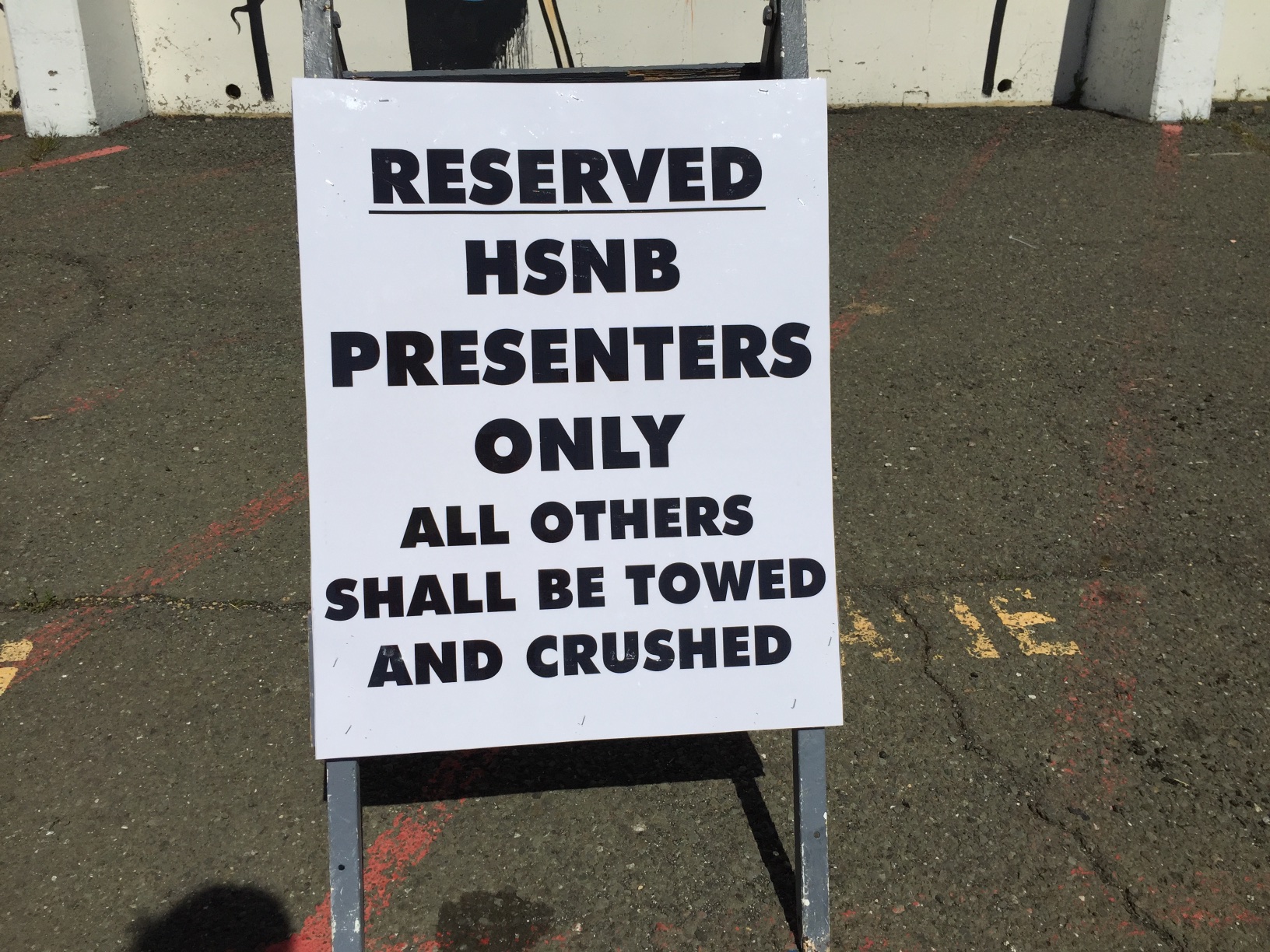 I was amused by this sign.
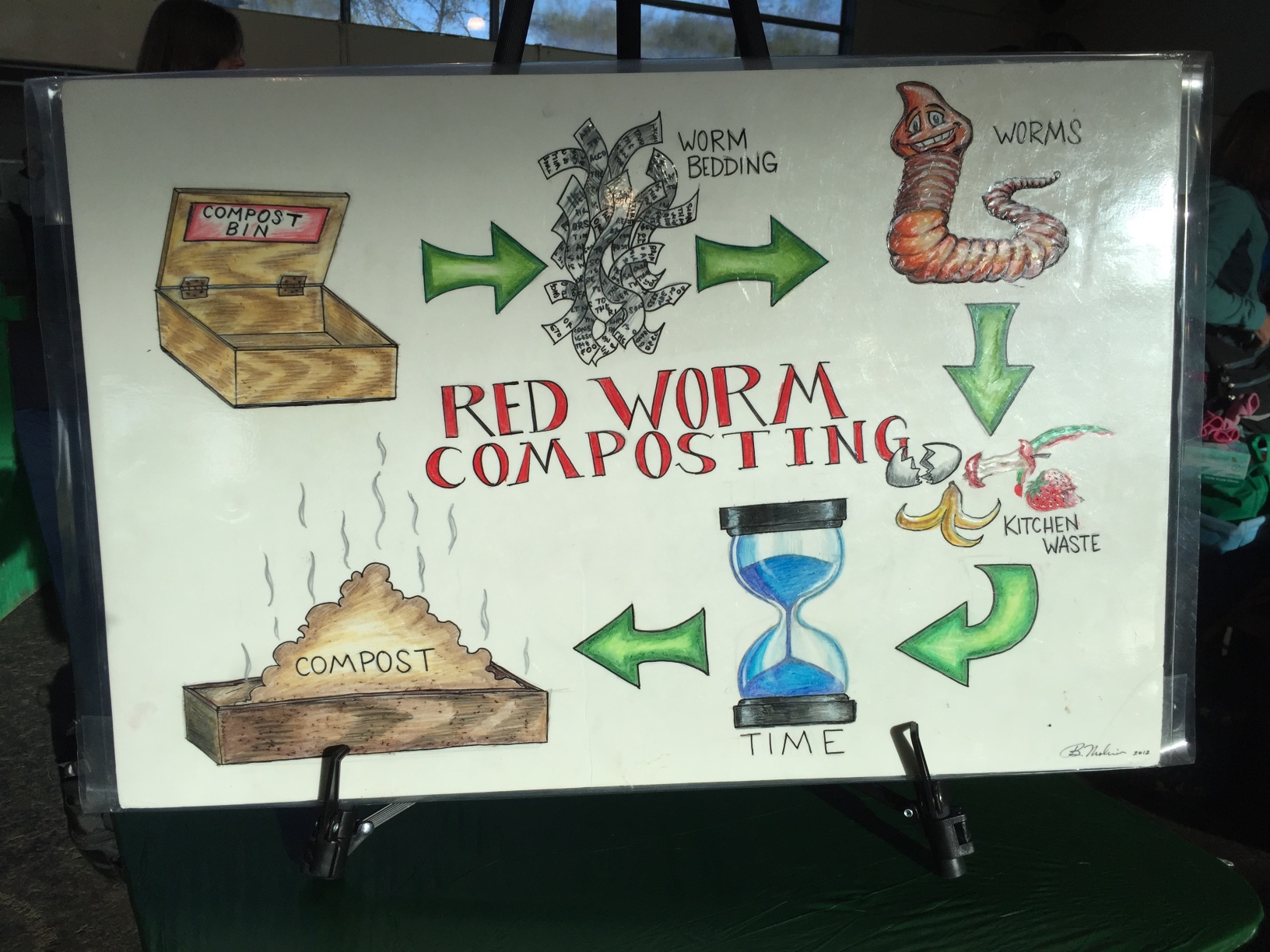 Kids are exposed to everything involving agriculture.
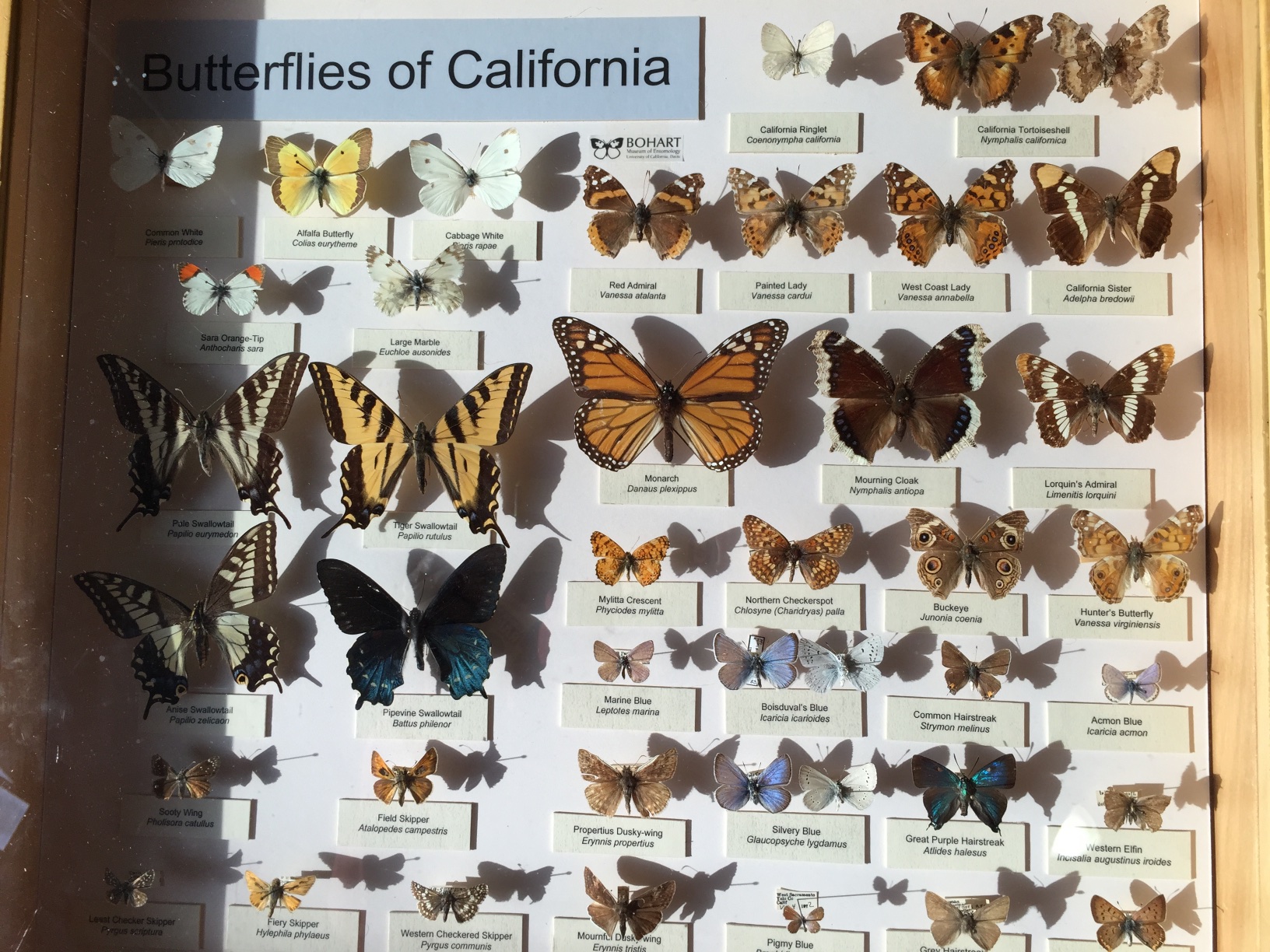 A variety of local volunteer groups, agencies, and 4-H/FFA members bring exhibits and hands-on activities.
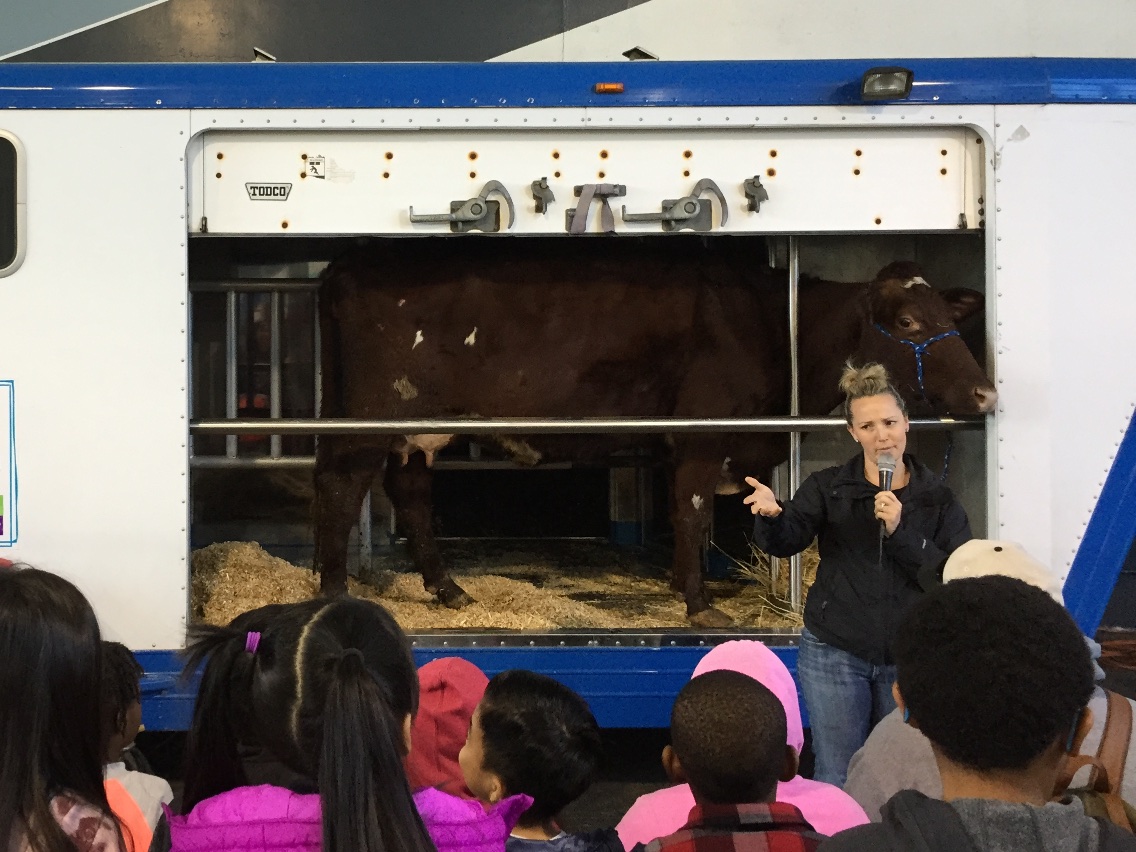 Kids sat in bleachers while learning about dairy products and dairy cows.
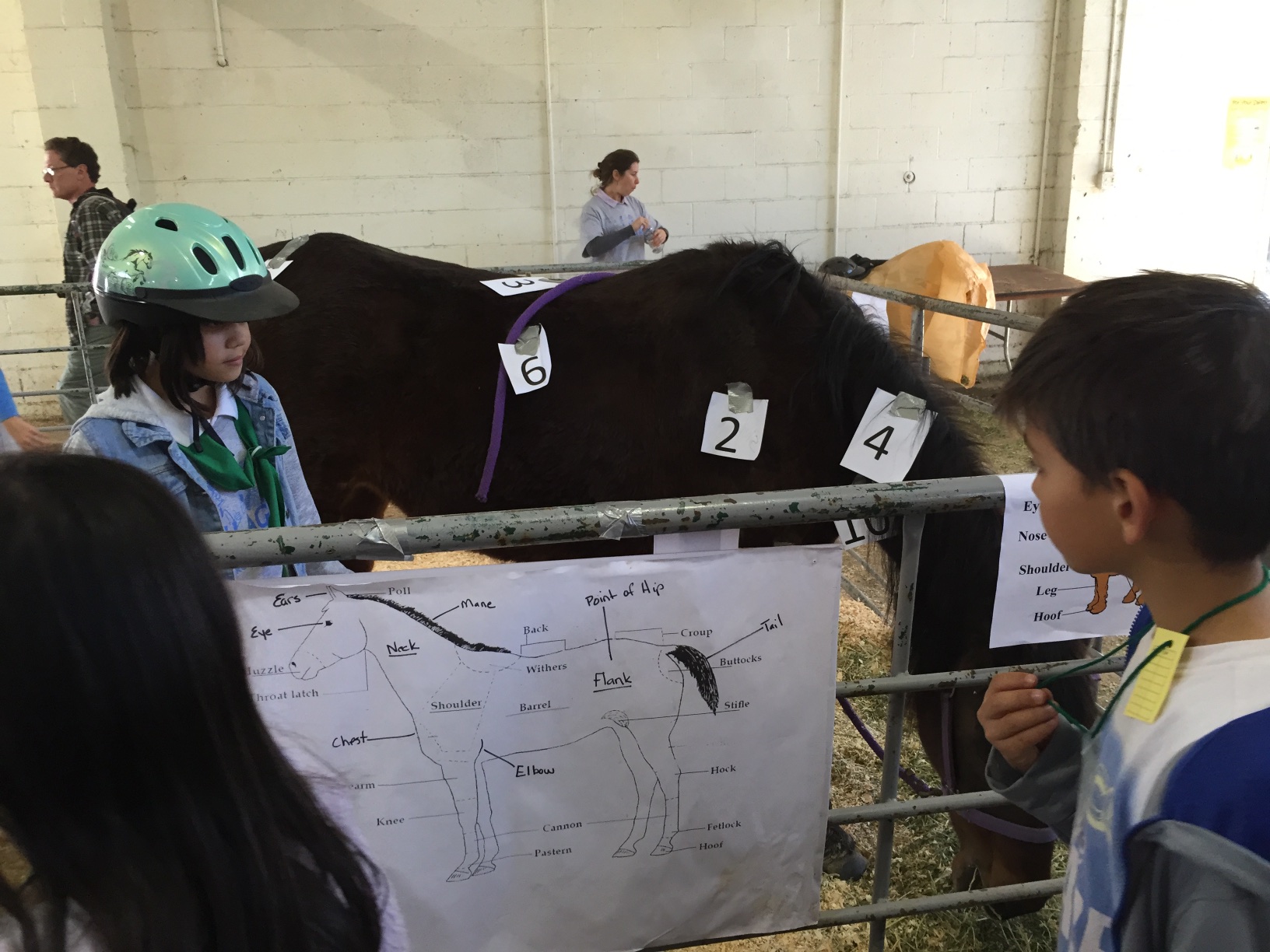 This 4-Her had labeled the parts of her horse.
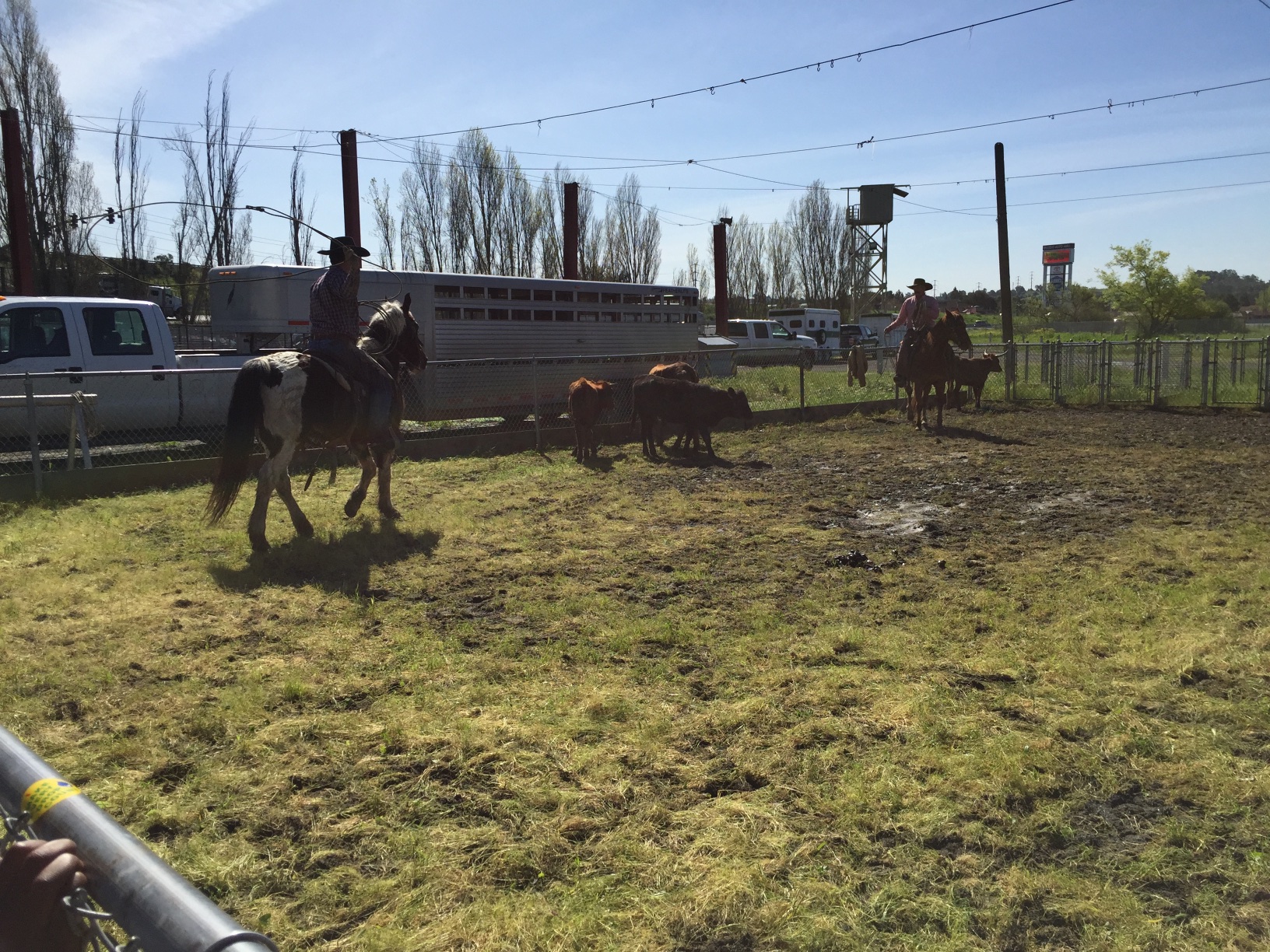 There was even a roping demonstration. There were also herding dogs, police dogs and horses, and dozens of other activities over the whole fairgrounds.
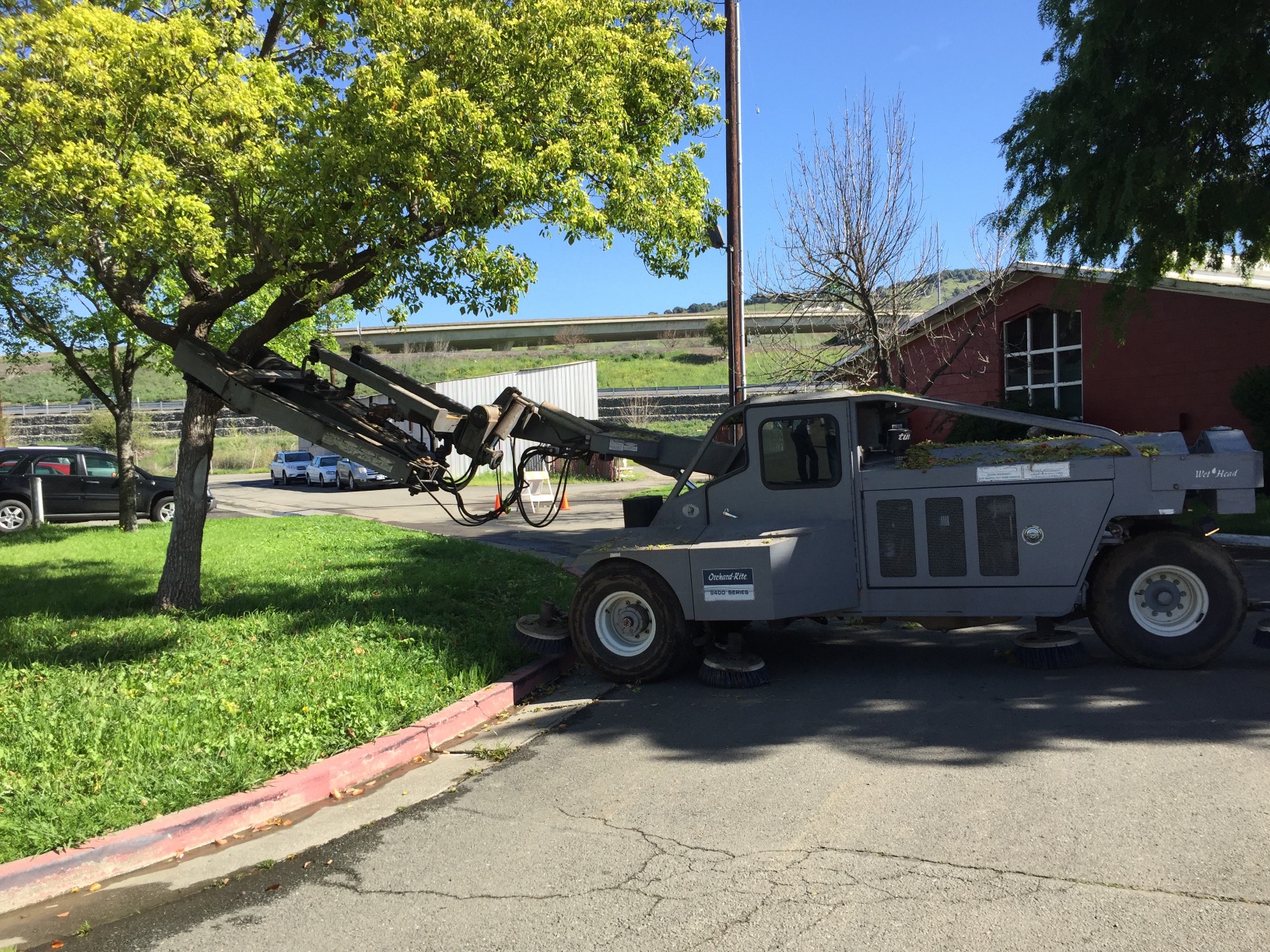 This equipment is what they use to shake nut trees, but it was fun to see the leaves shake in this demo.
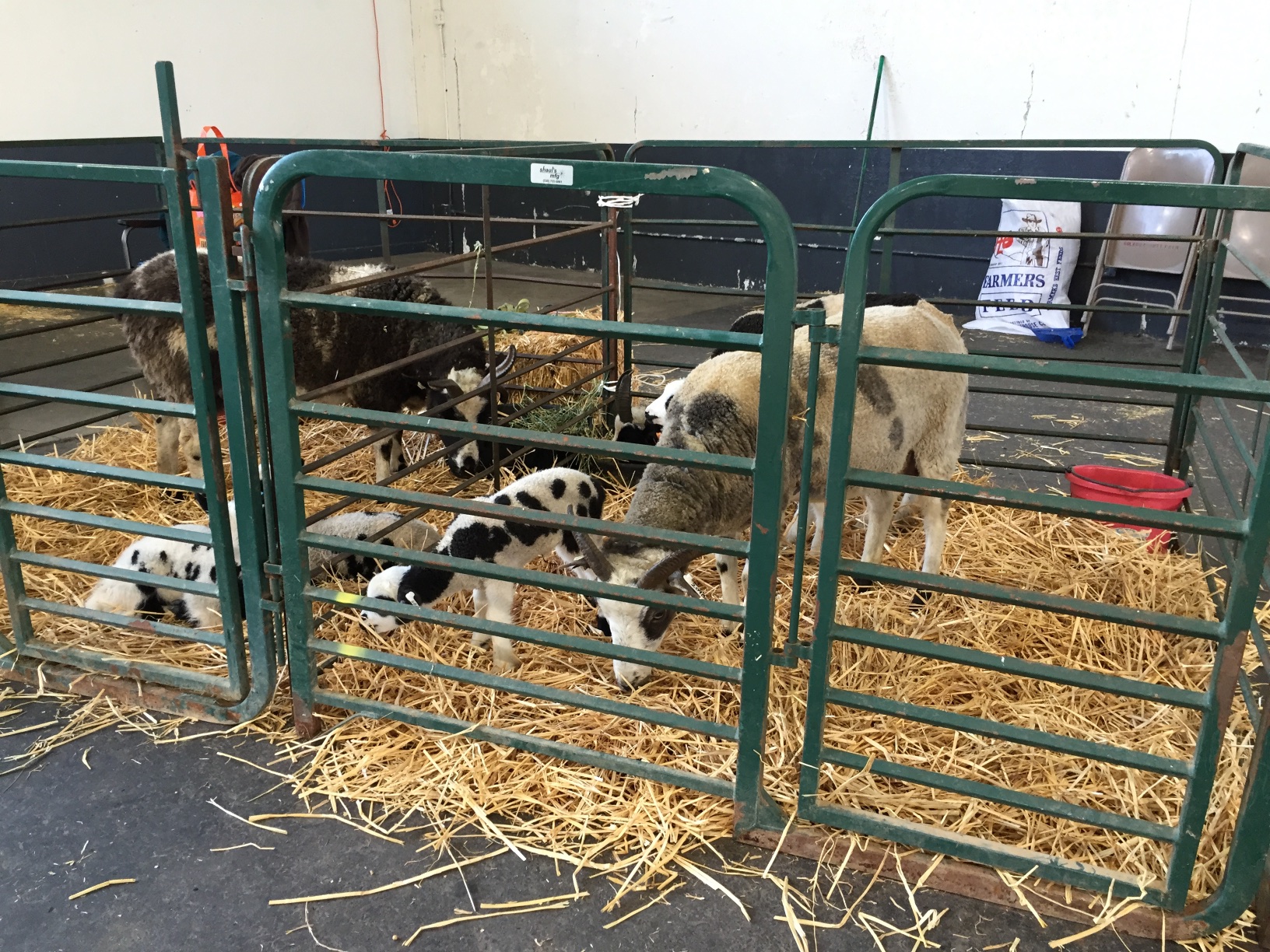 We brought two ewes with month old and week old lambs. The morning started out calm.
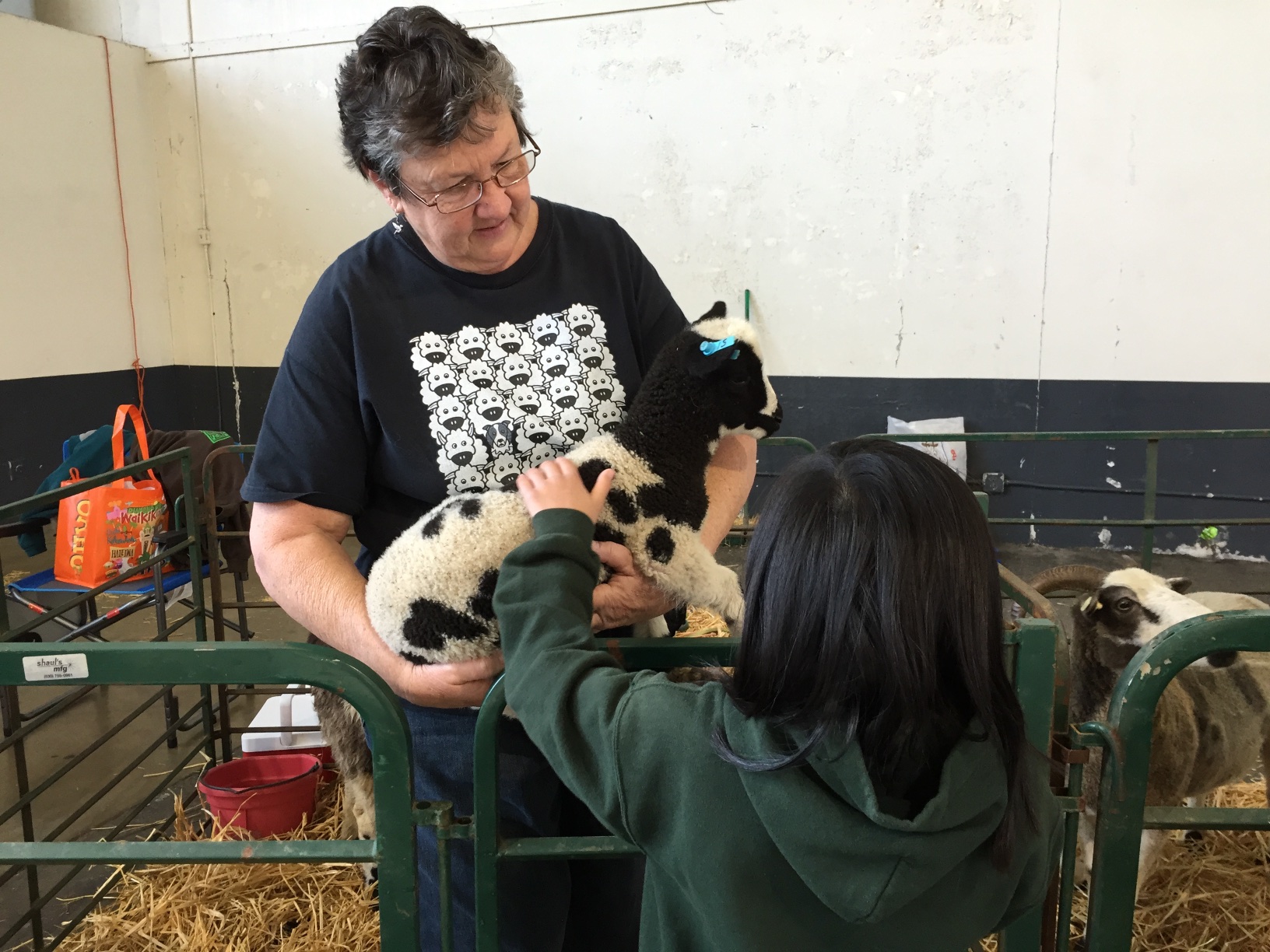 Kids enjoyed petting the lambs.
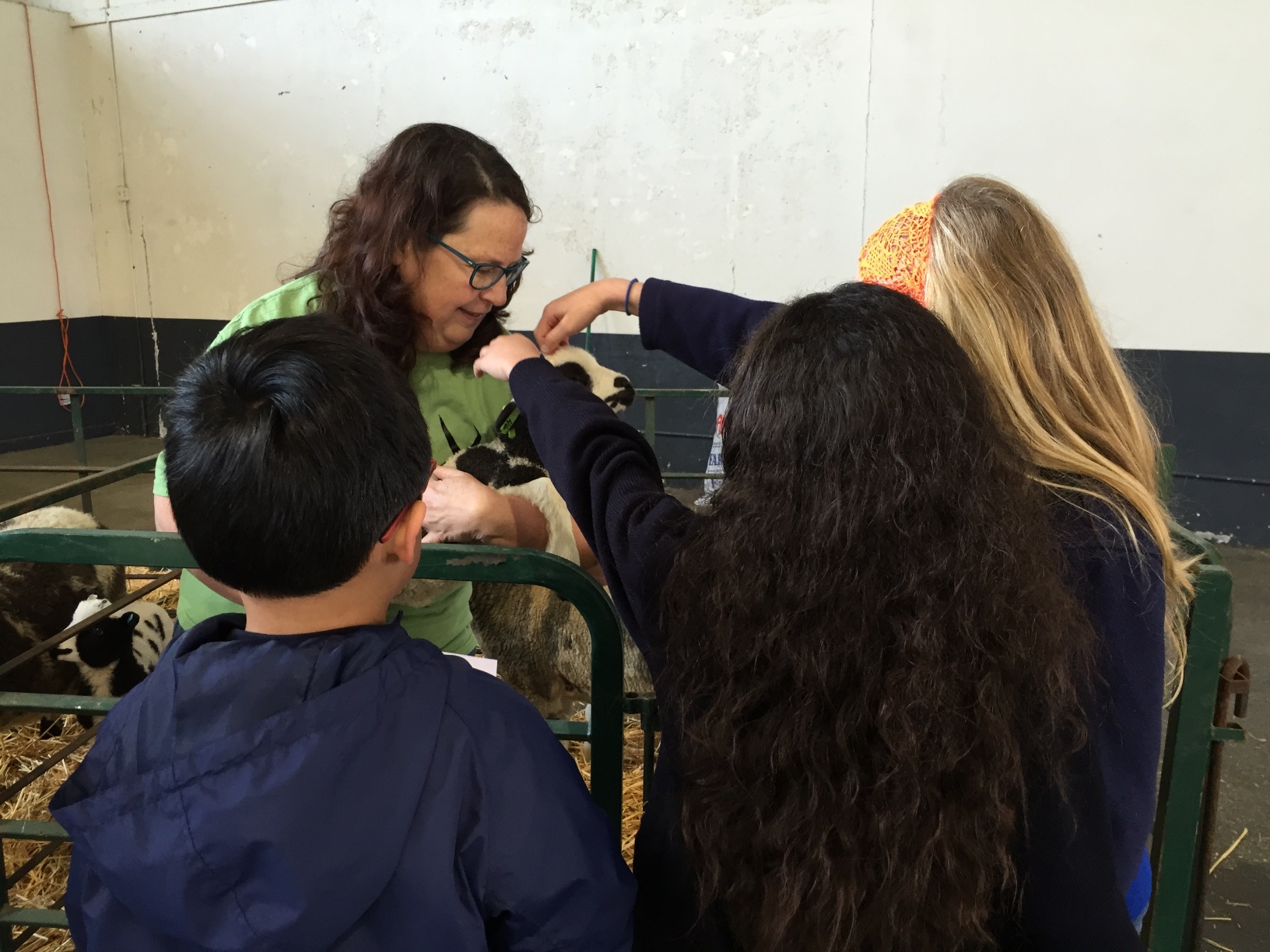 But that was when the kids were just starting to get there.
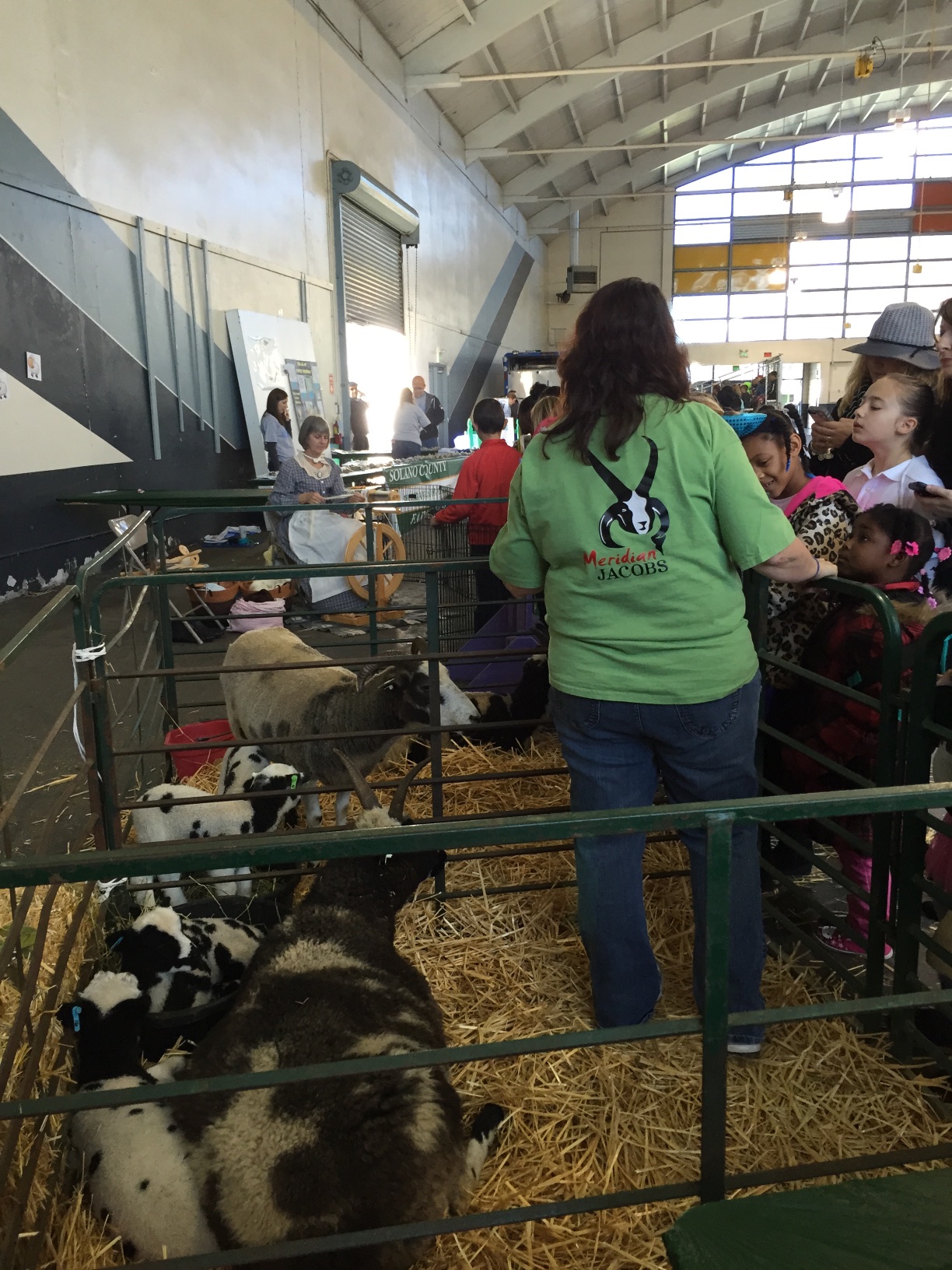 After awhile the ewes and lambs were stressed with the number of people and the noise level. So we talked to the kids, but didn't handle the lambs anymore. Fortunately I had brought out tame sheep, Jade.
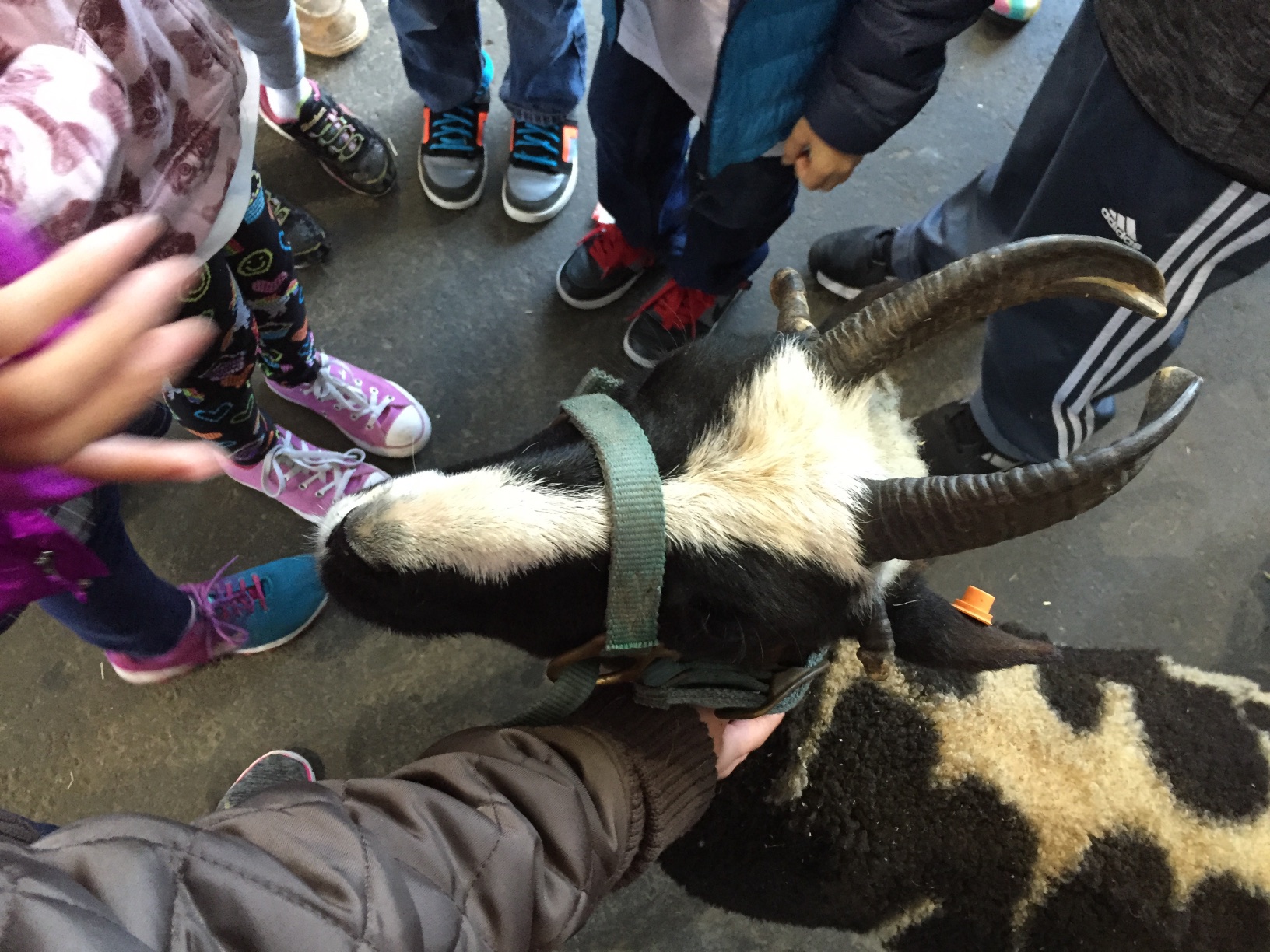 I took her out on a halter and she loved the attention. I told the kids who were standing around watching that they could pet...
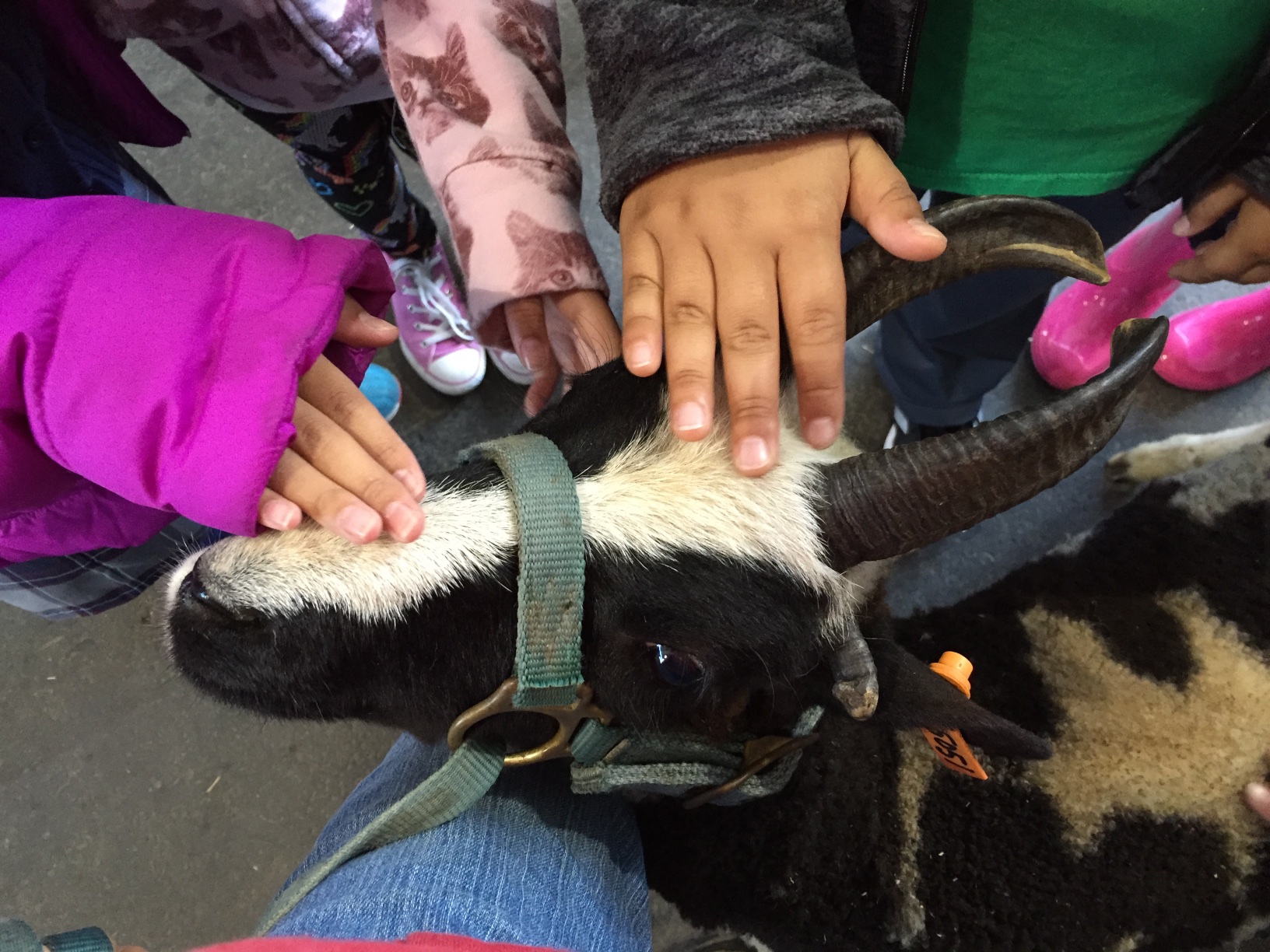 ...and pet they did...
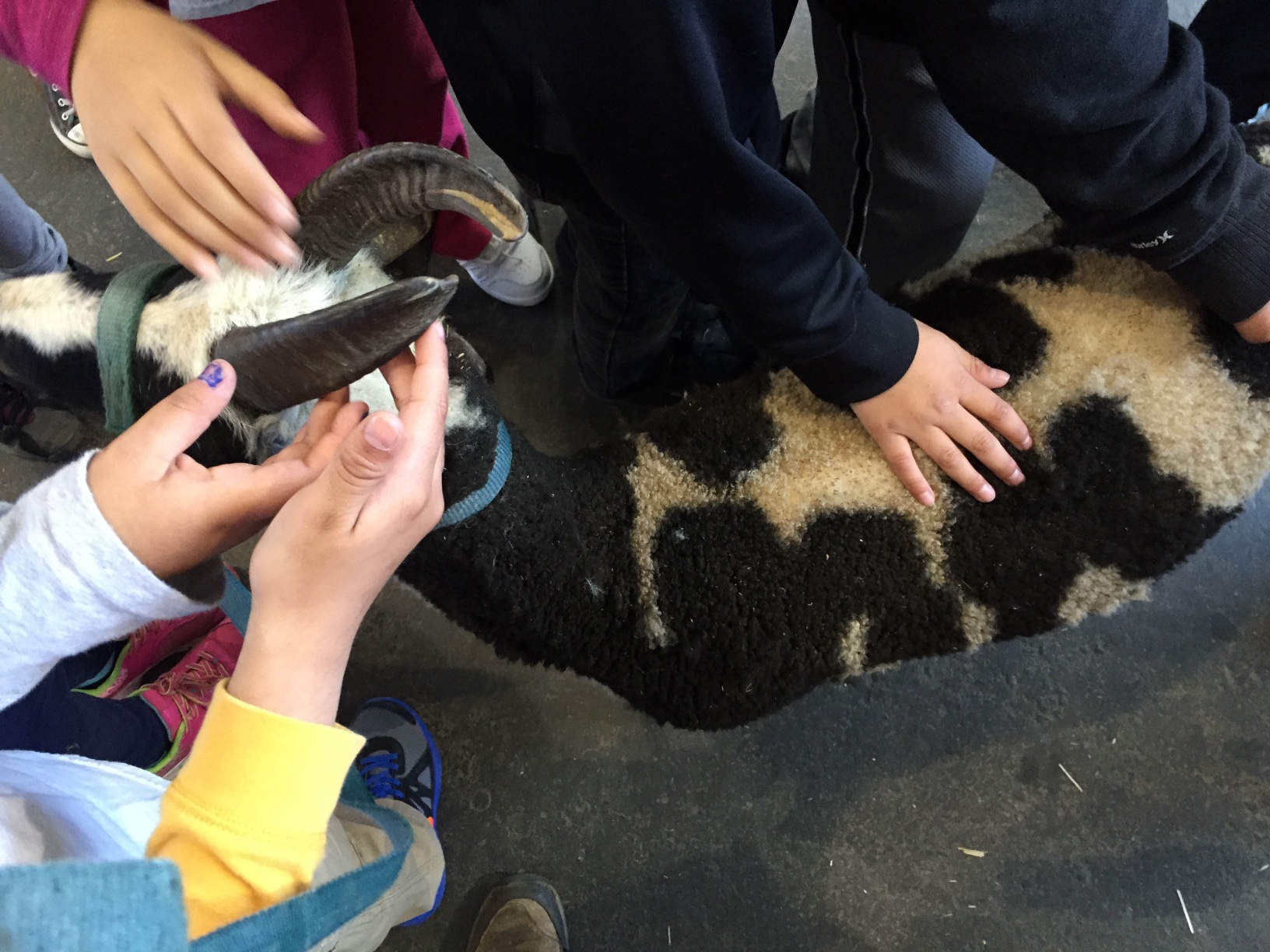 ...feeling horns...
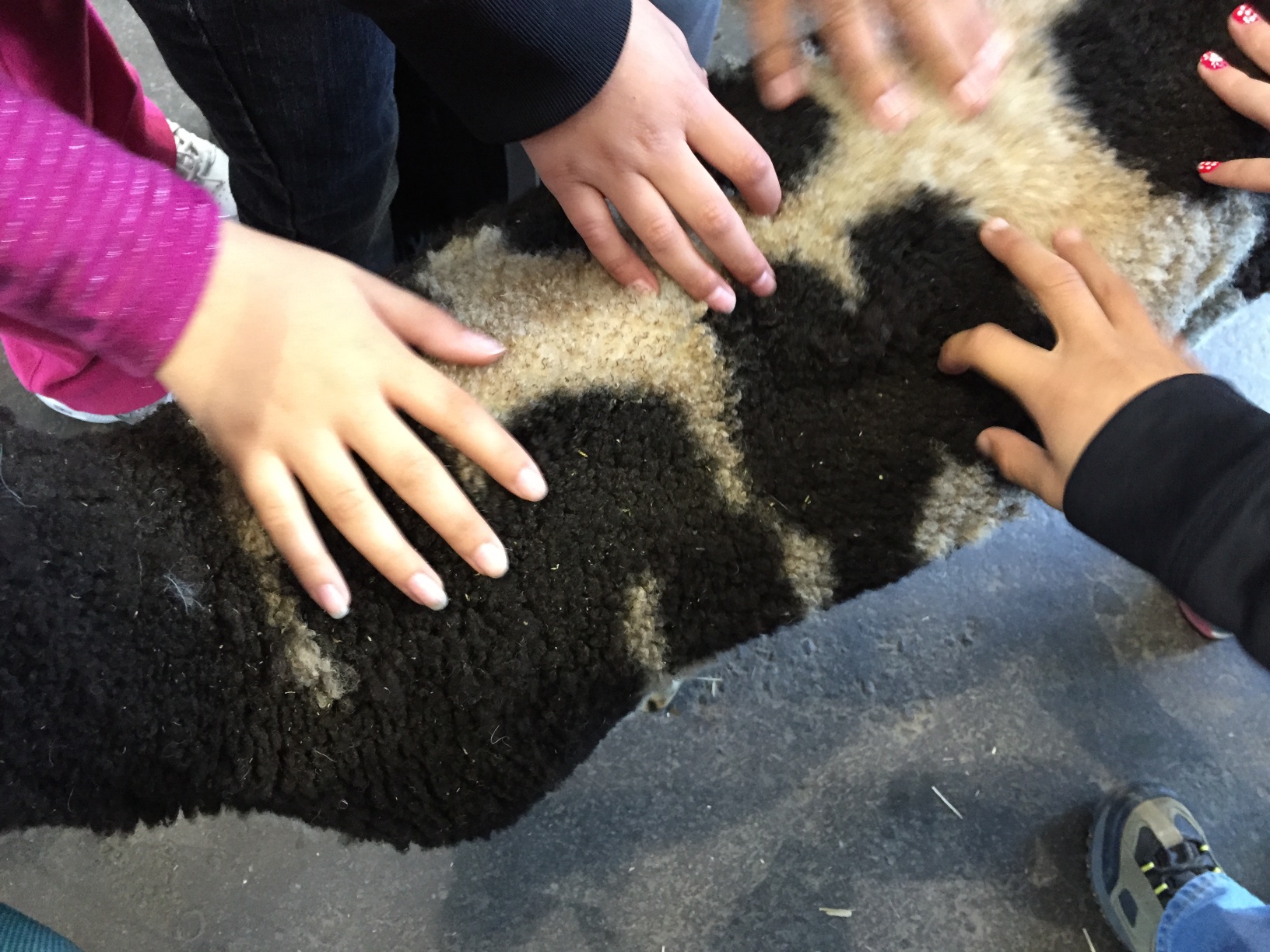 ...and wool.
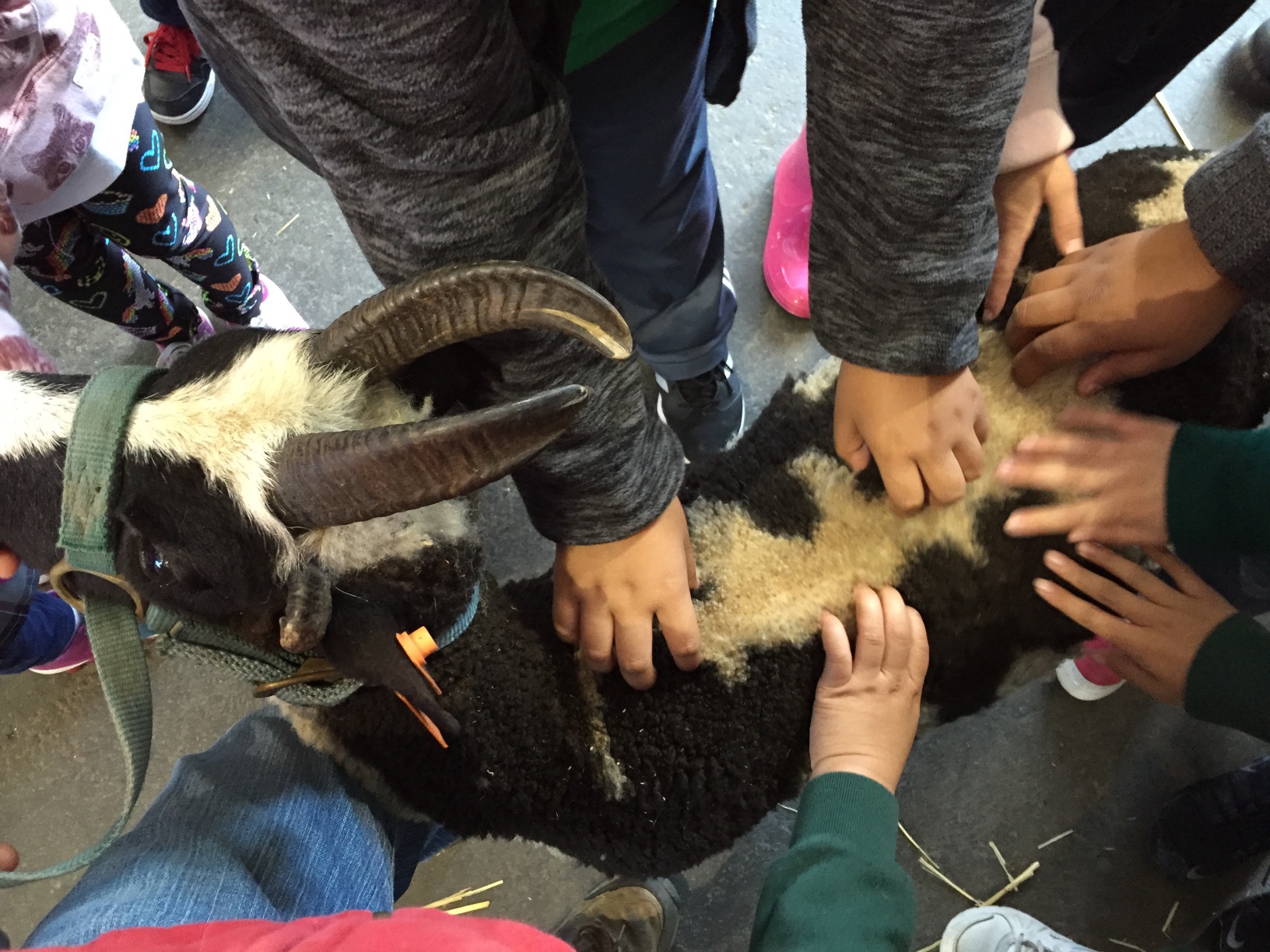 This sheep is amazing.
 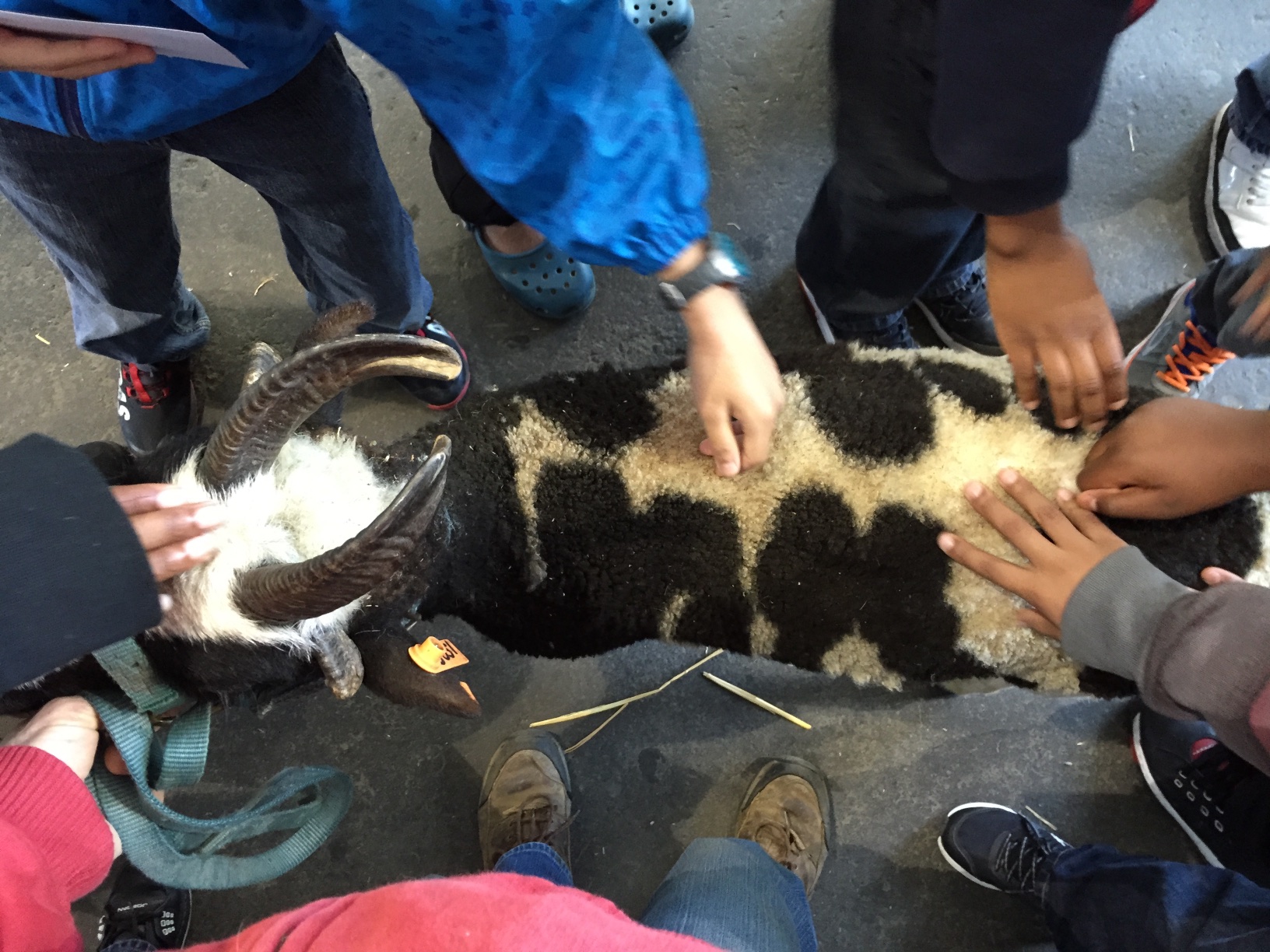 When people wandered away she wanted more.
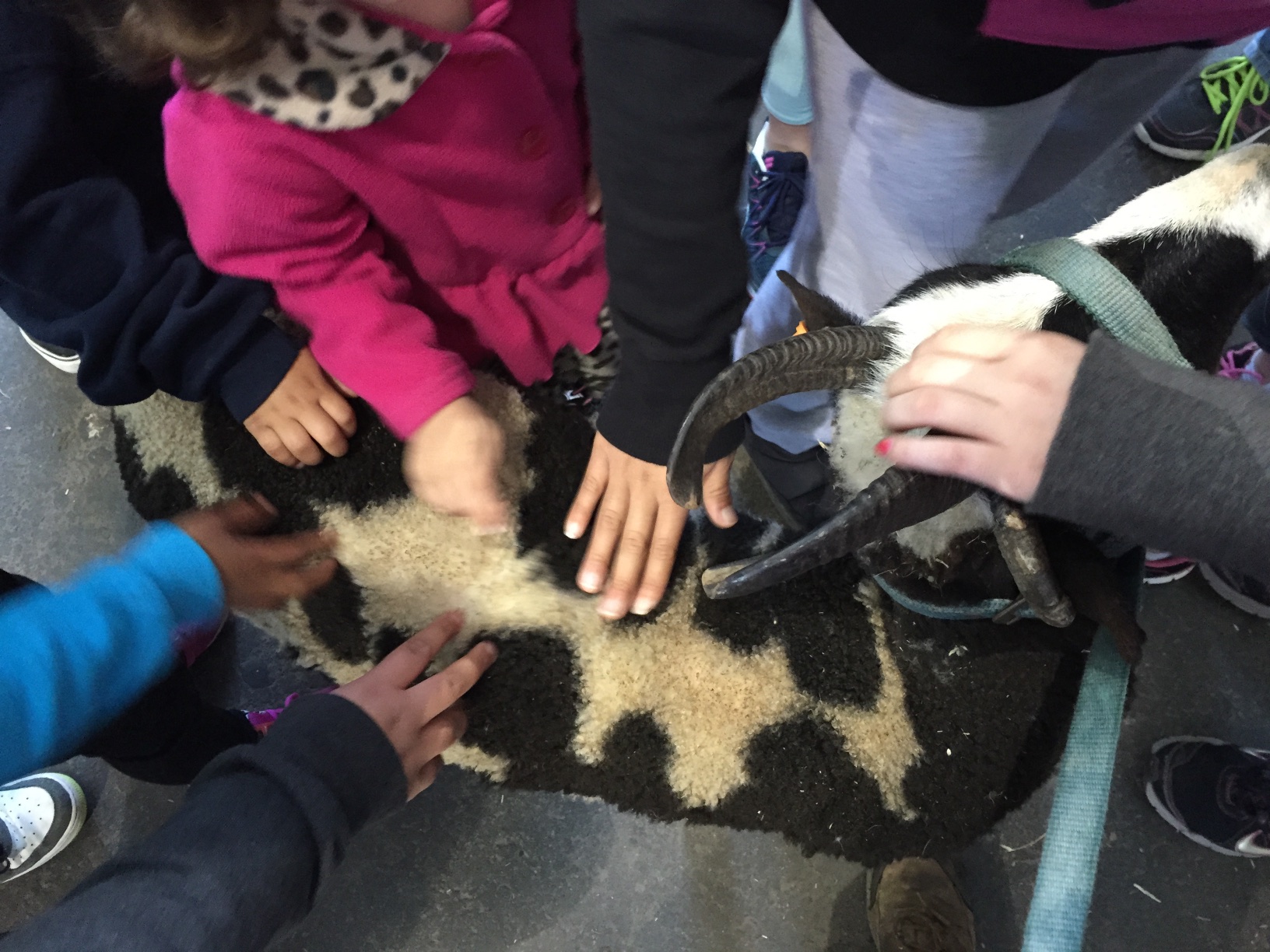 Eventually her handler (me) got tired and put her away...
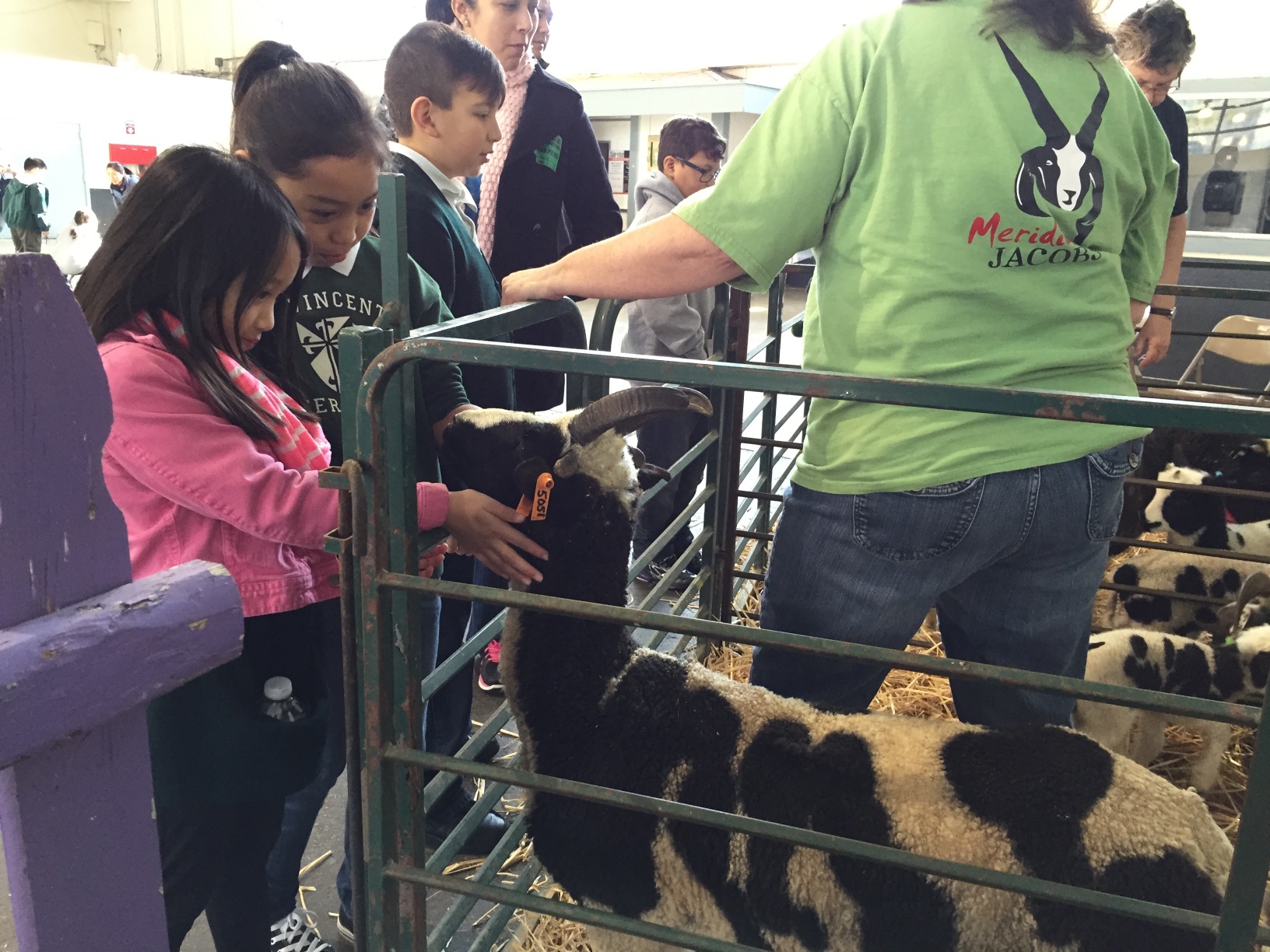 ...but she still hadn't had enough.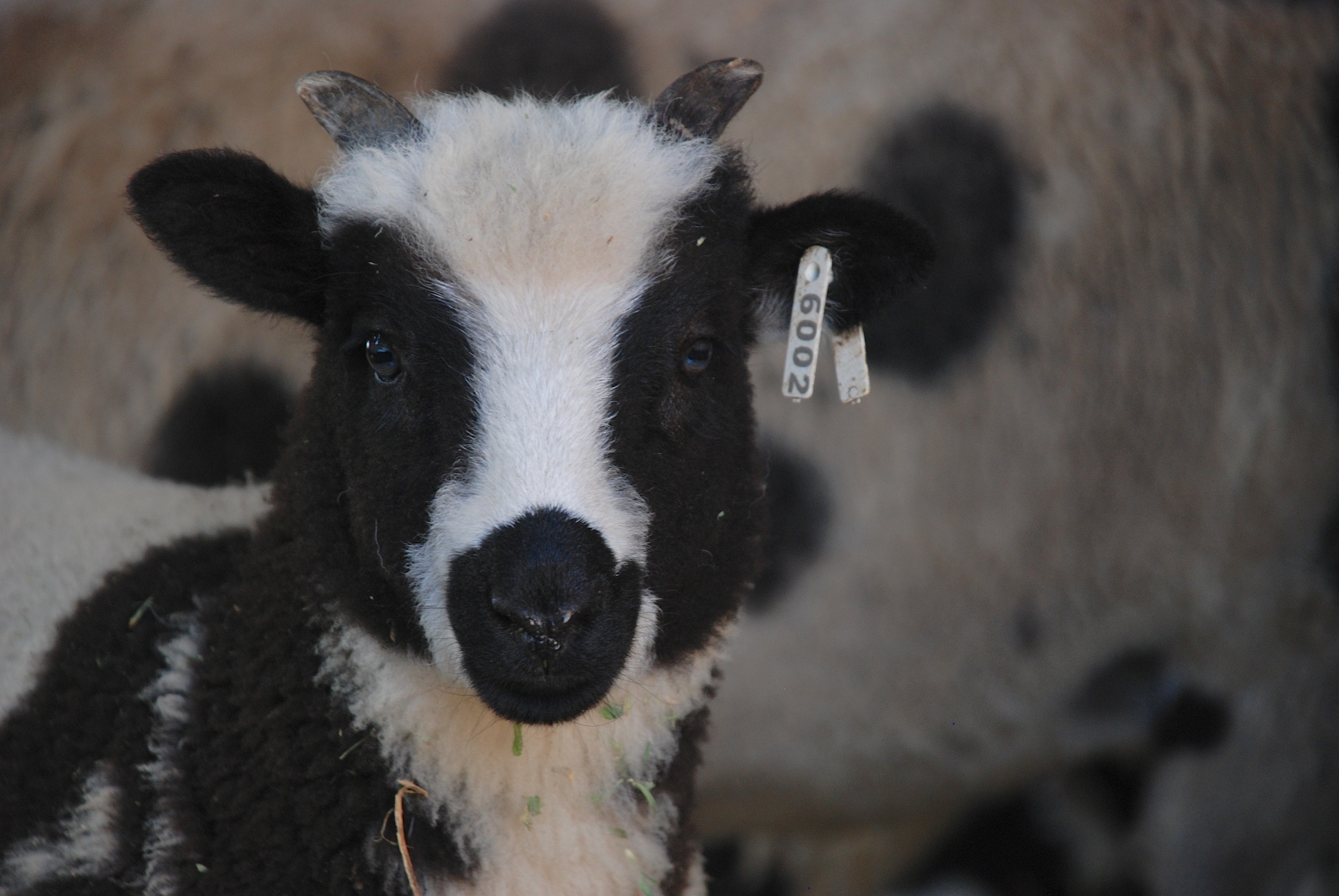
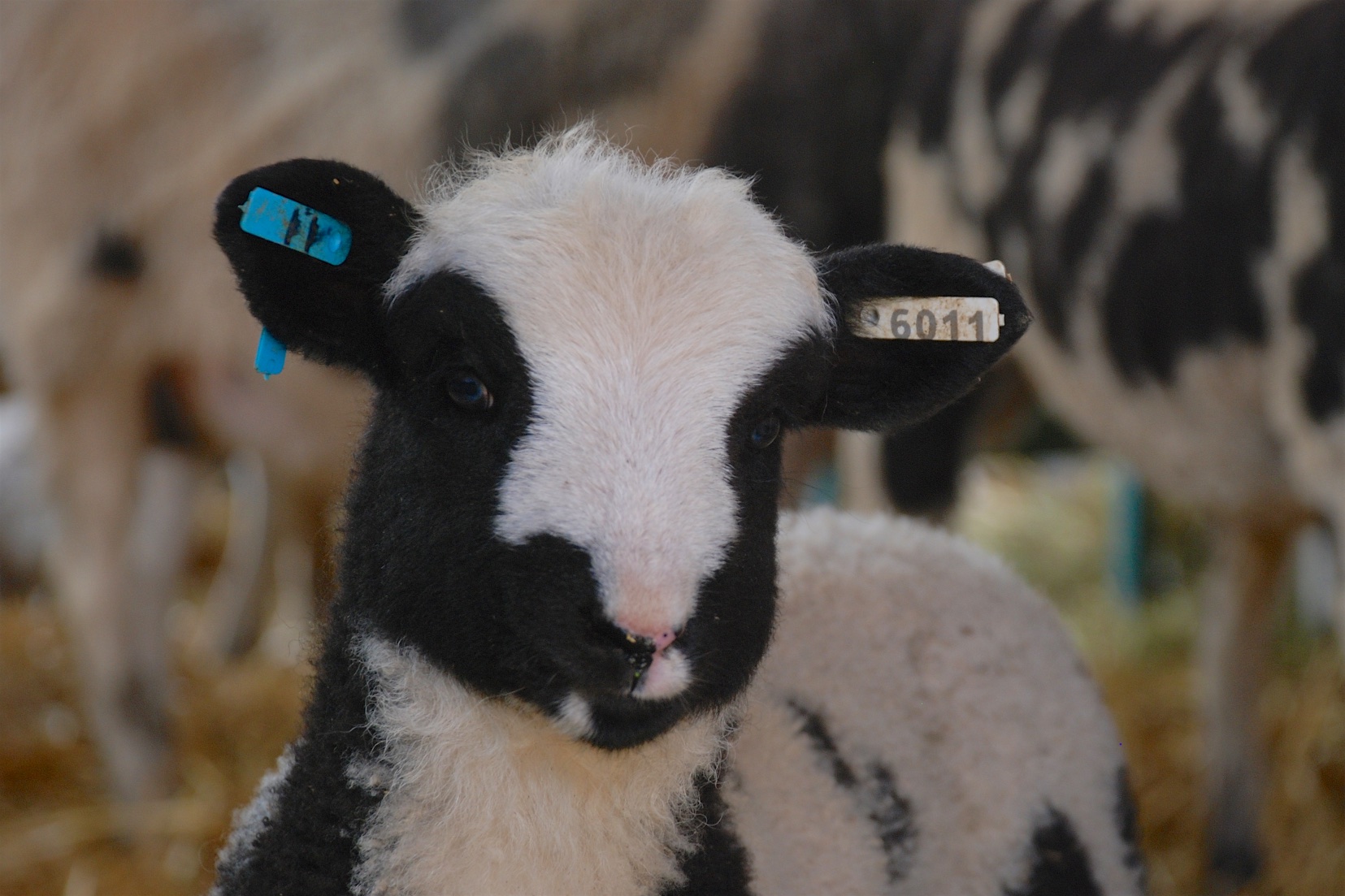
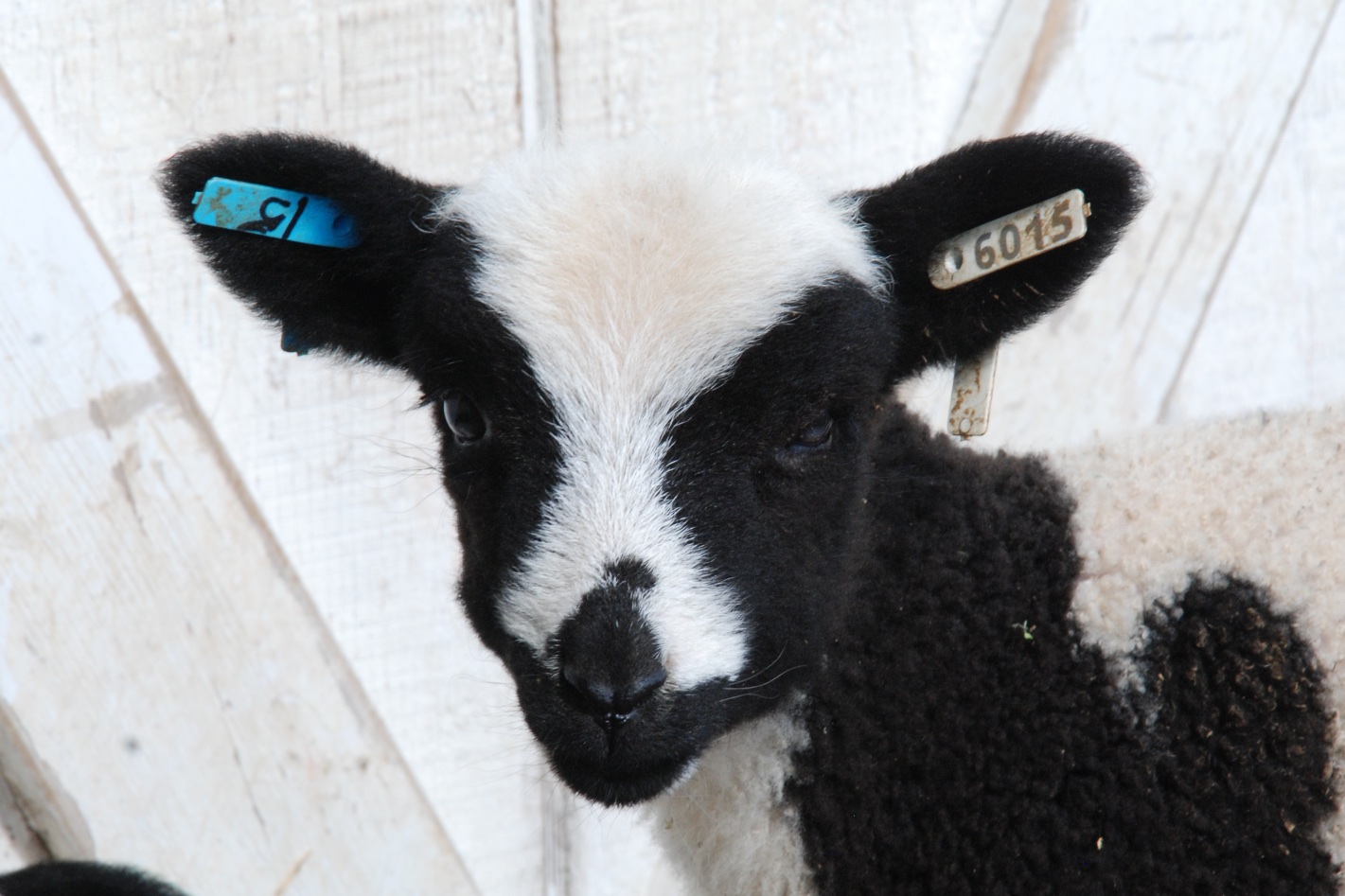
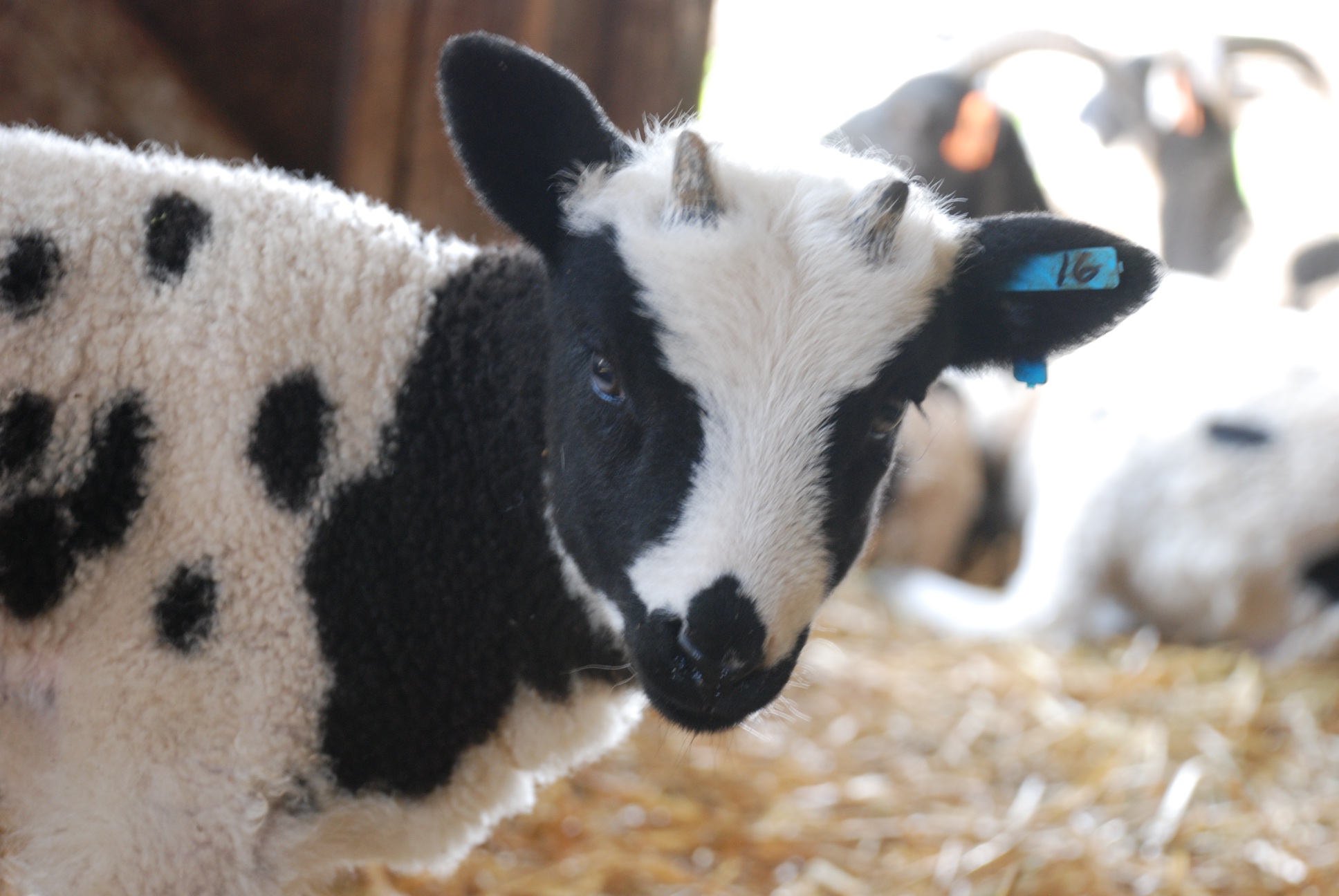
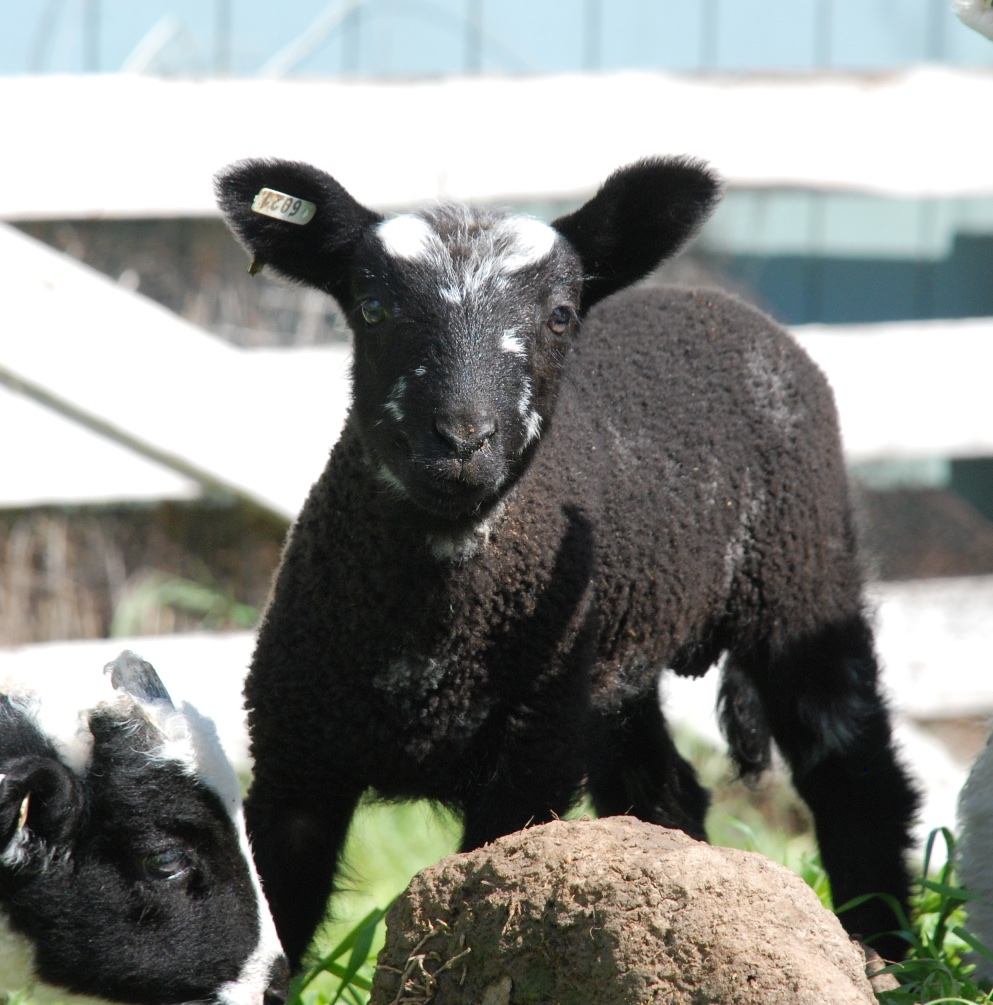
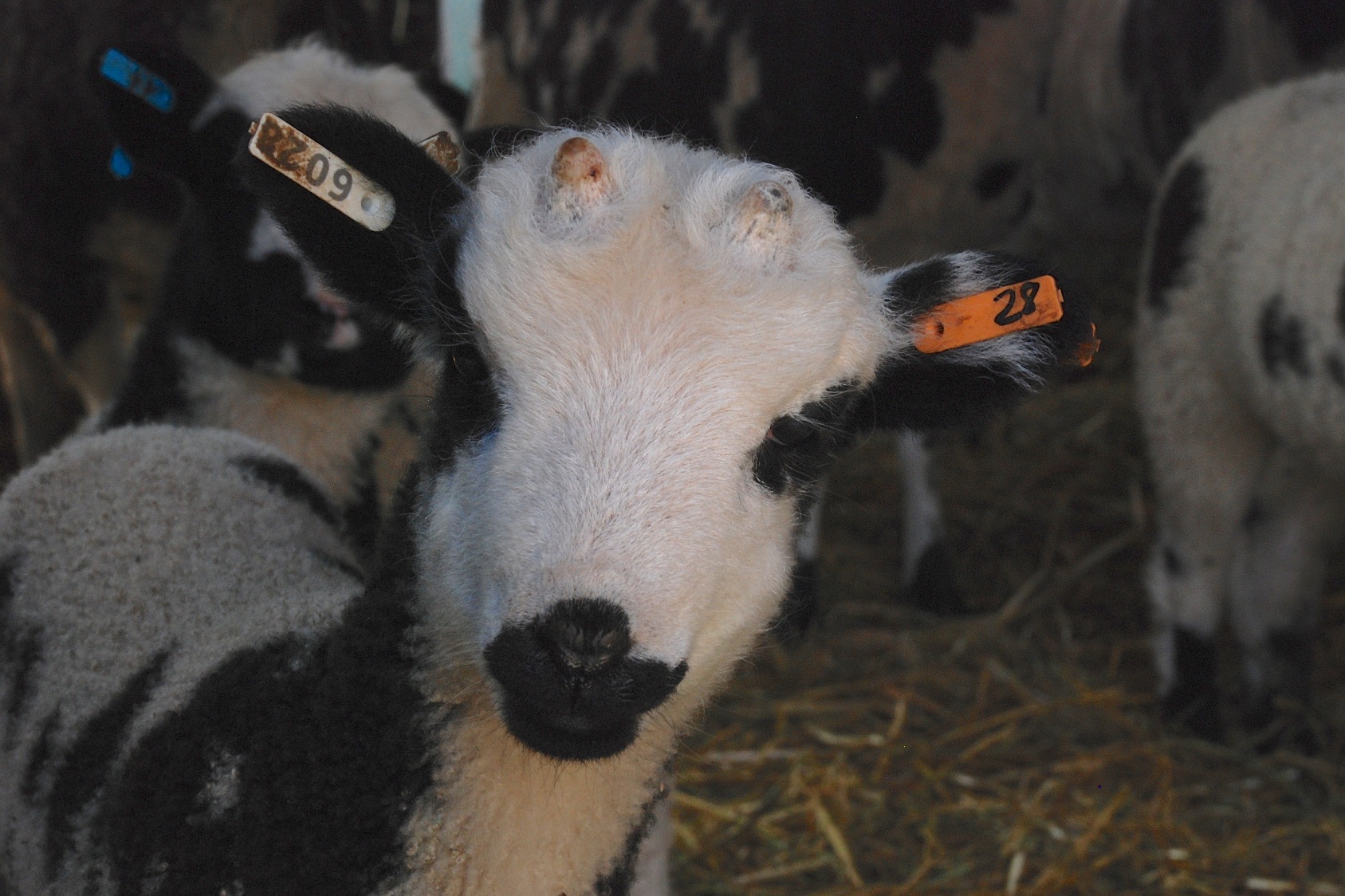
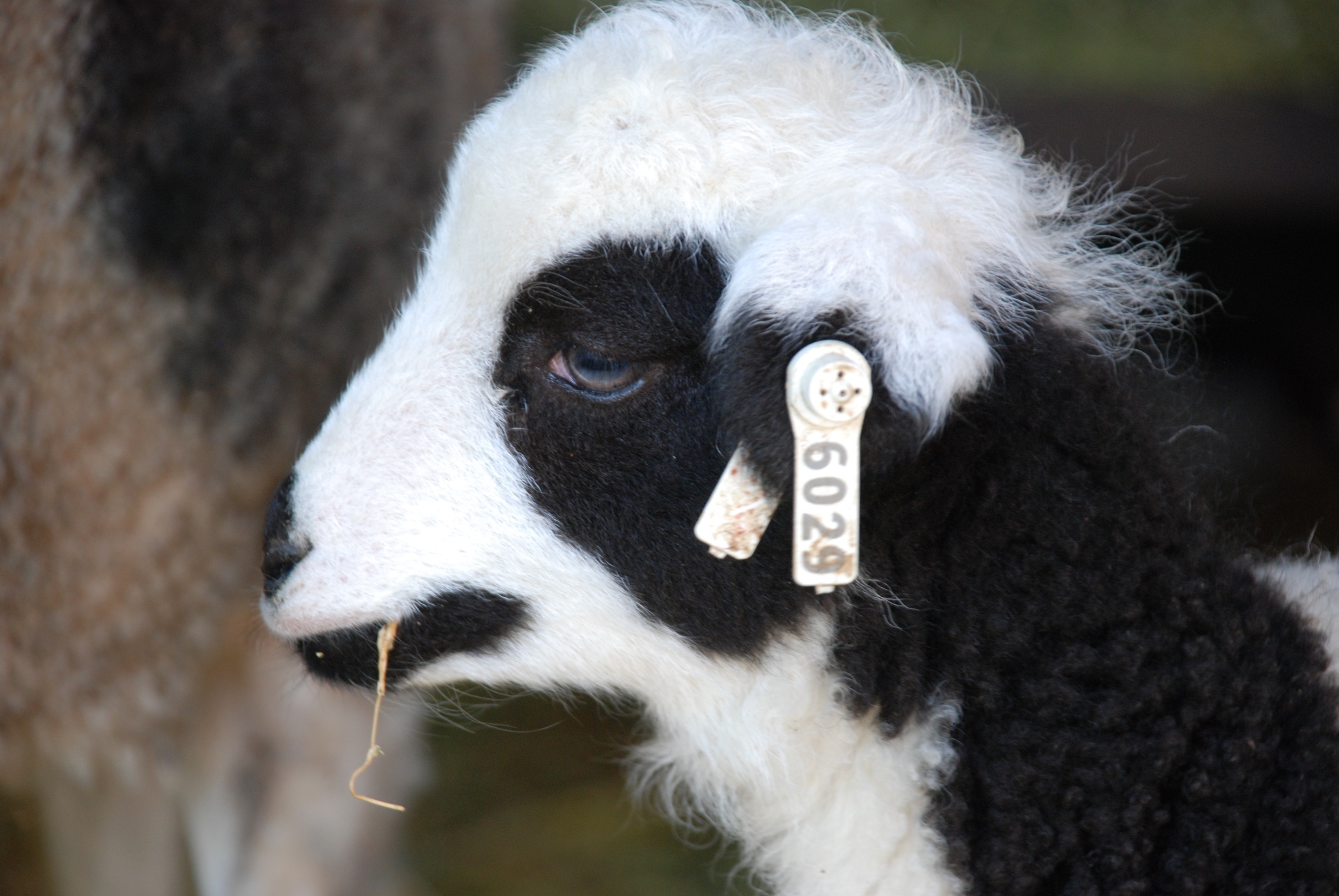
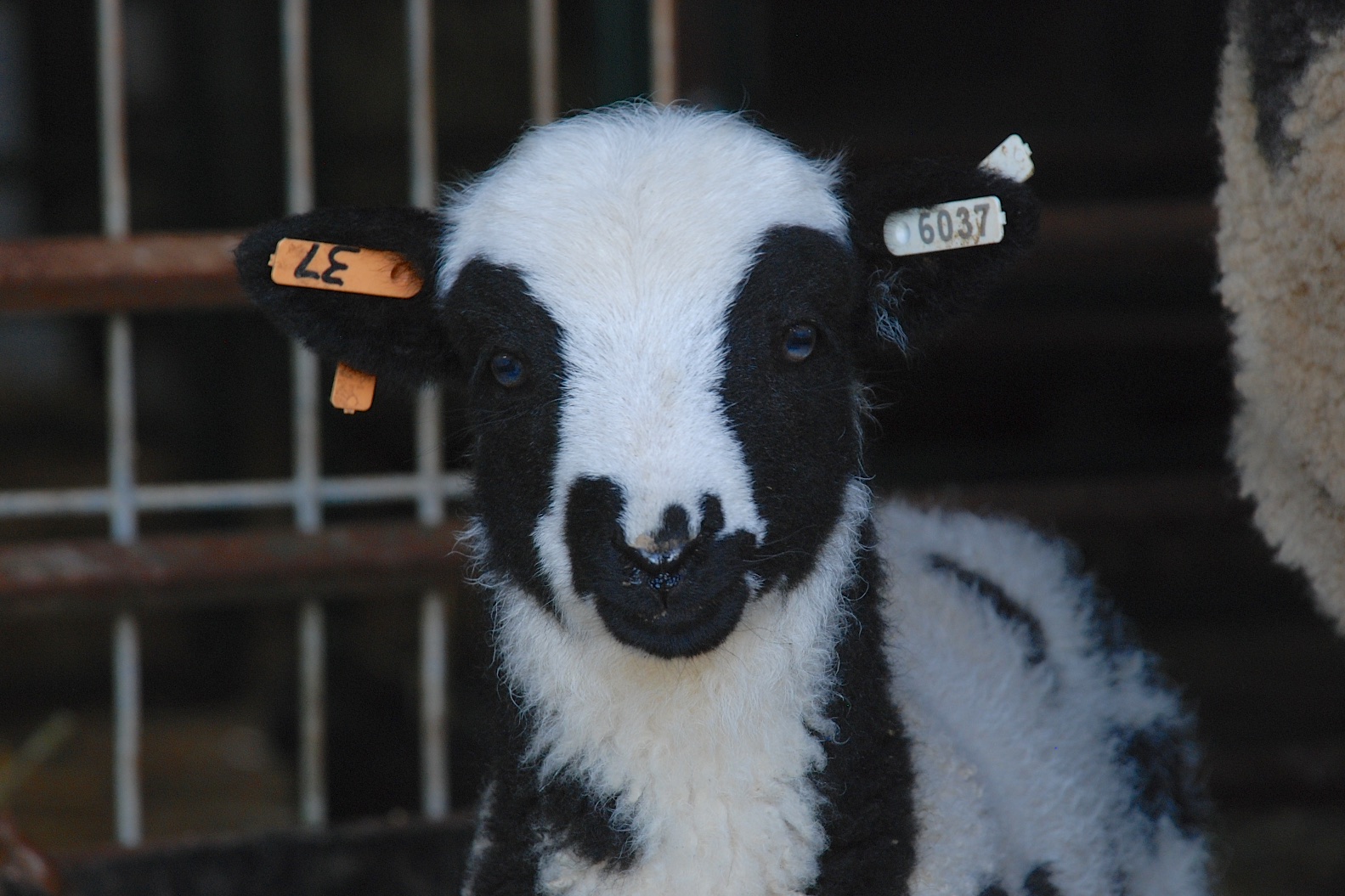
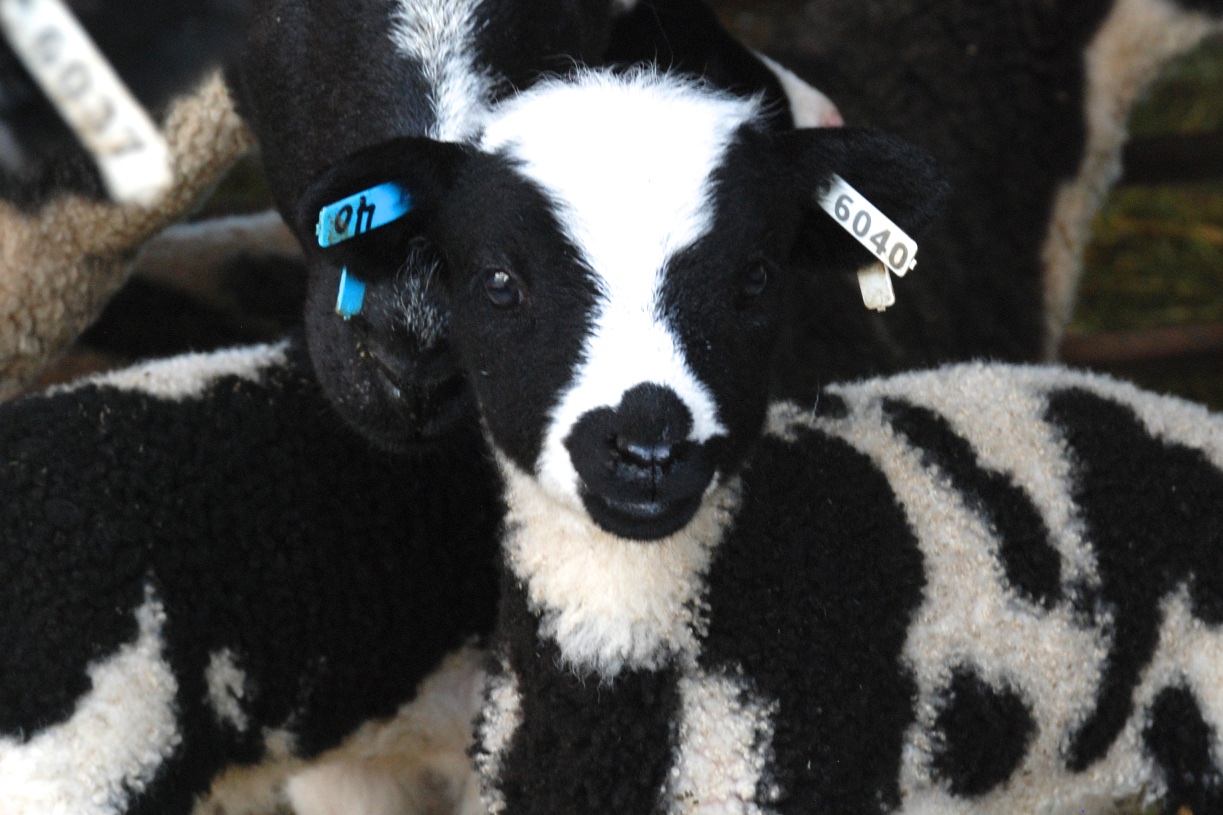
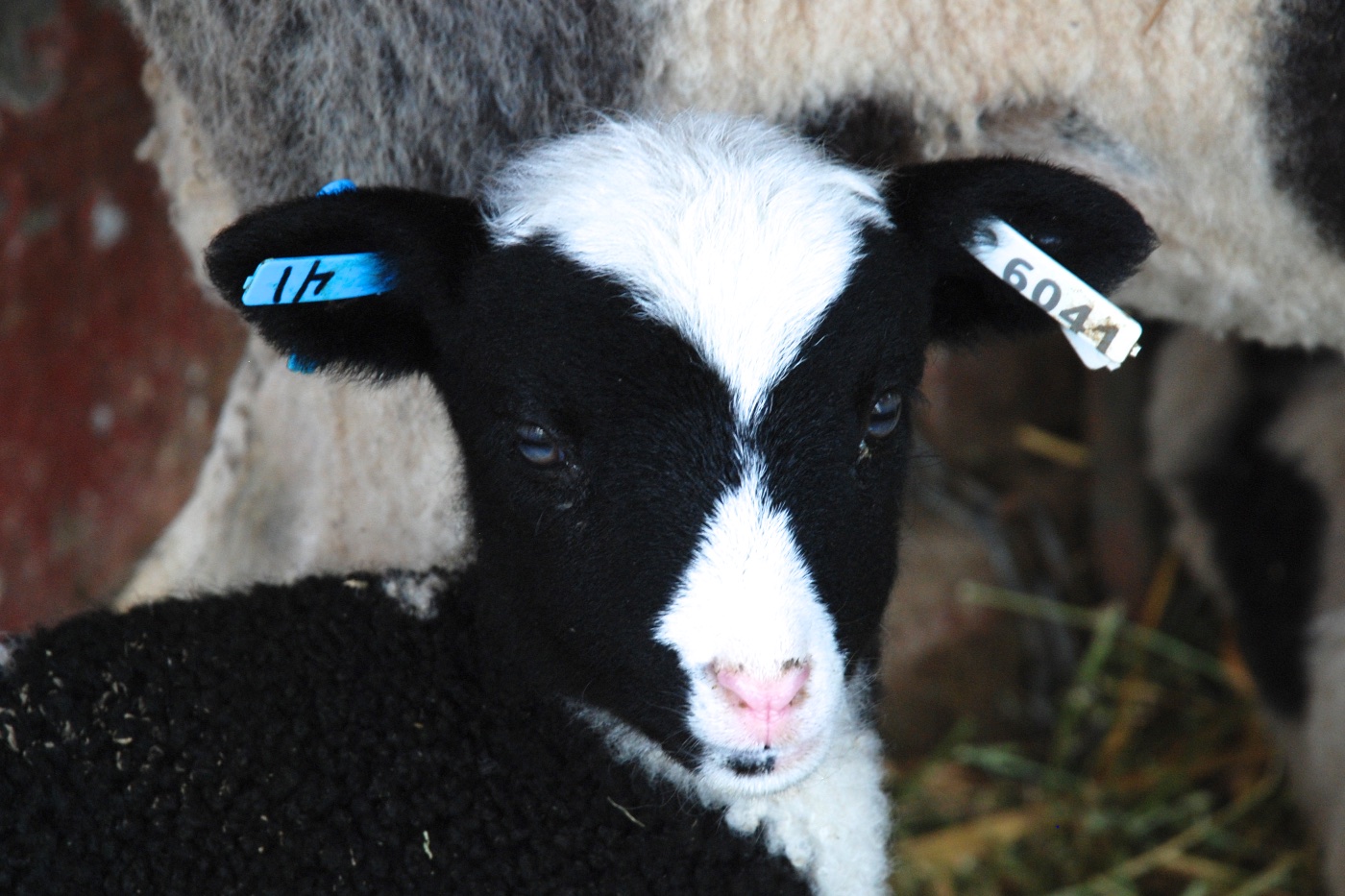
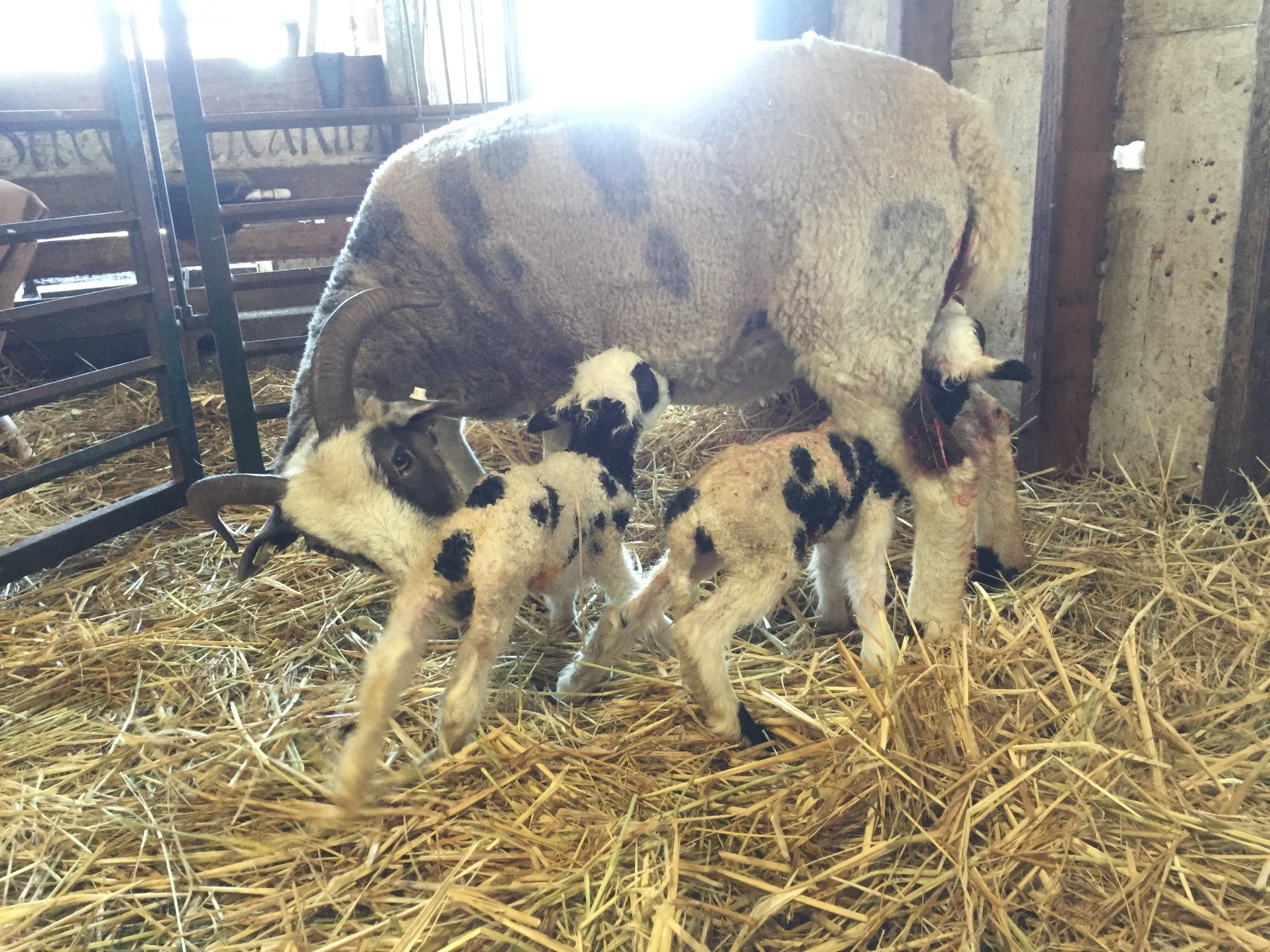 Lilac twin ewes: Meridian Nash x Mud Ranch's Foxglove.
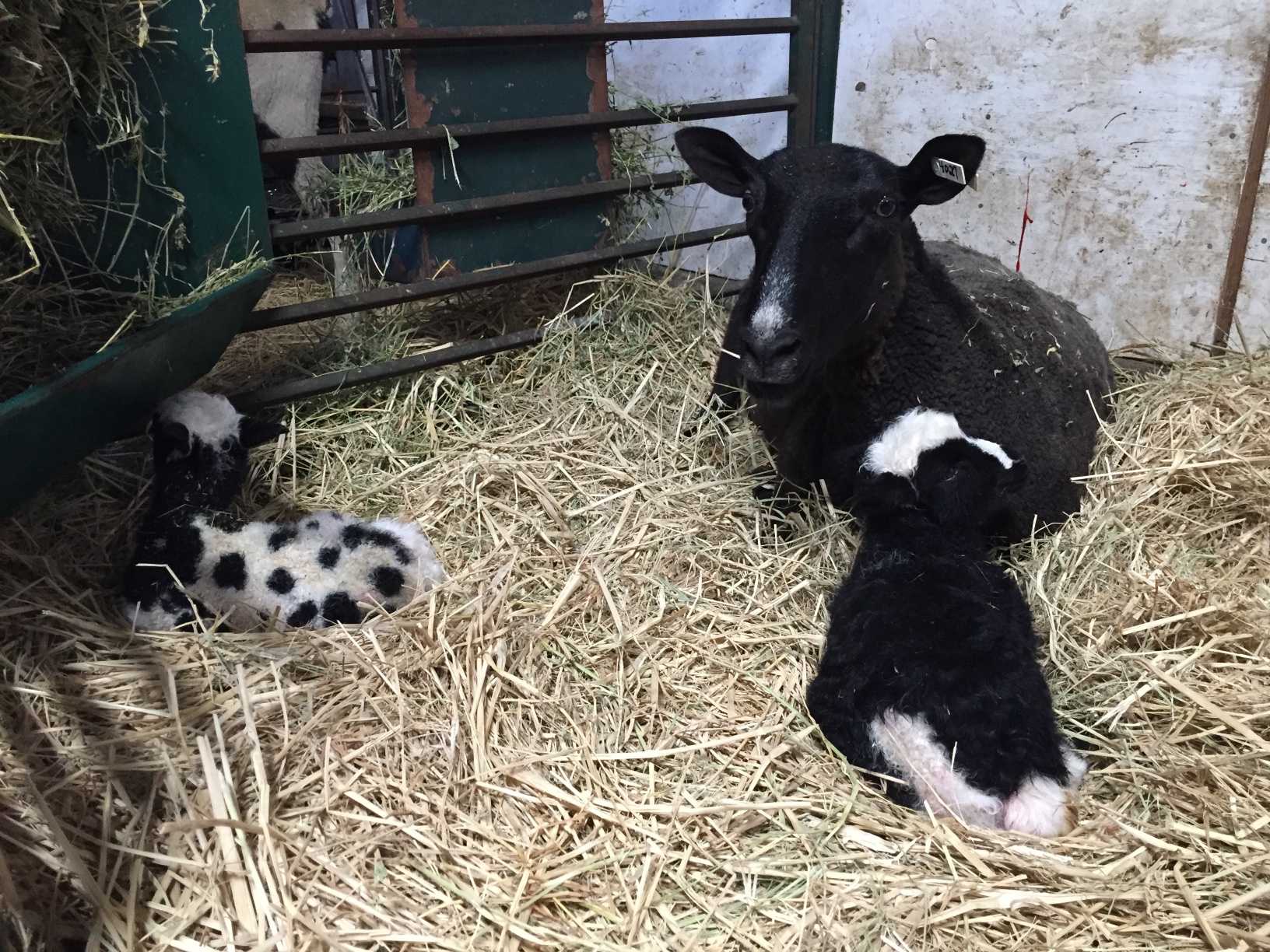 Esmerelda's twins, 75% Jacob/25% BFL.
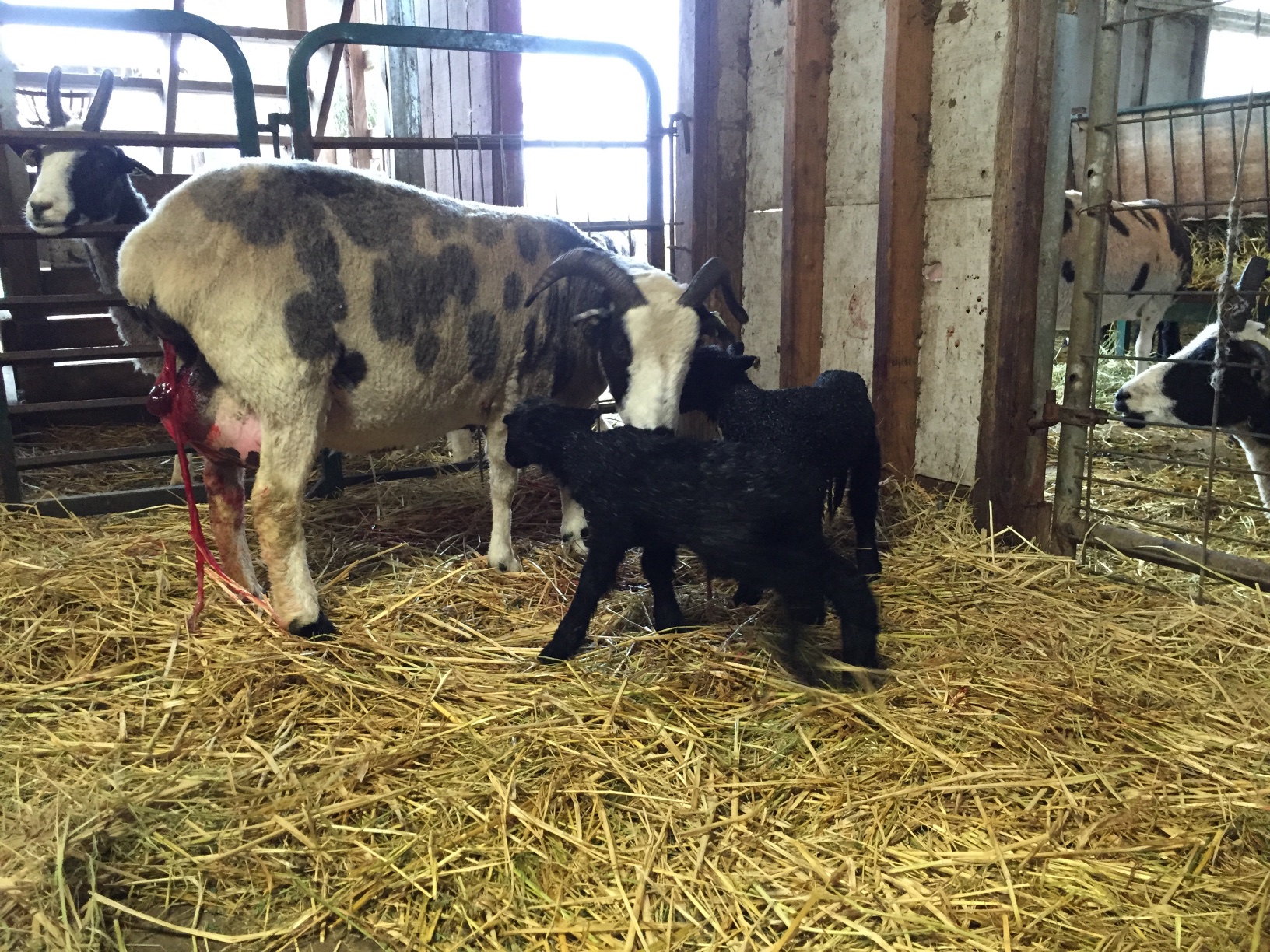 Fandango's BFL/Jacob twins.
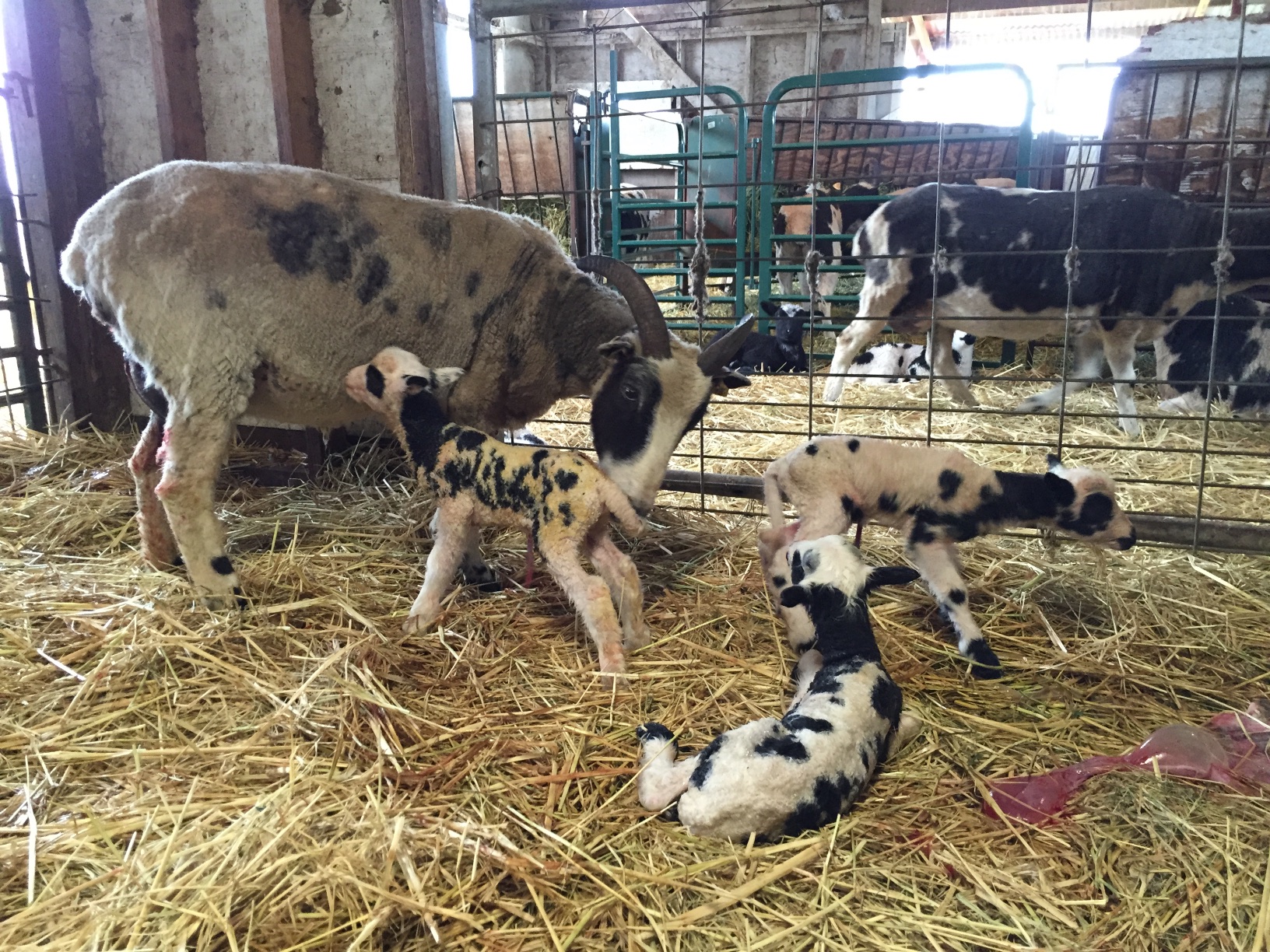 This morning's lilac triplet rams: Meridian Nash x Meridian Celeste. These bring the count to 55.
And look who came to the barn with me this morning...
This morning's lilac triplet rams: Meridian Nash x Meridian Celeste. These bring the count to 55.
And look who came to the barn with me this morning...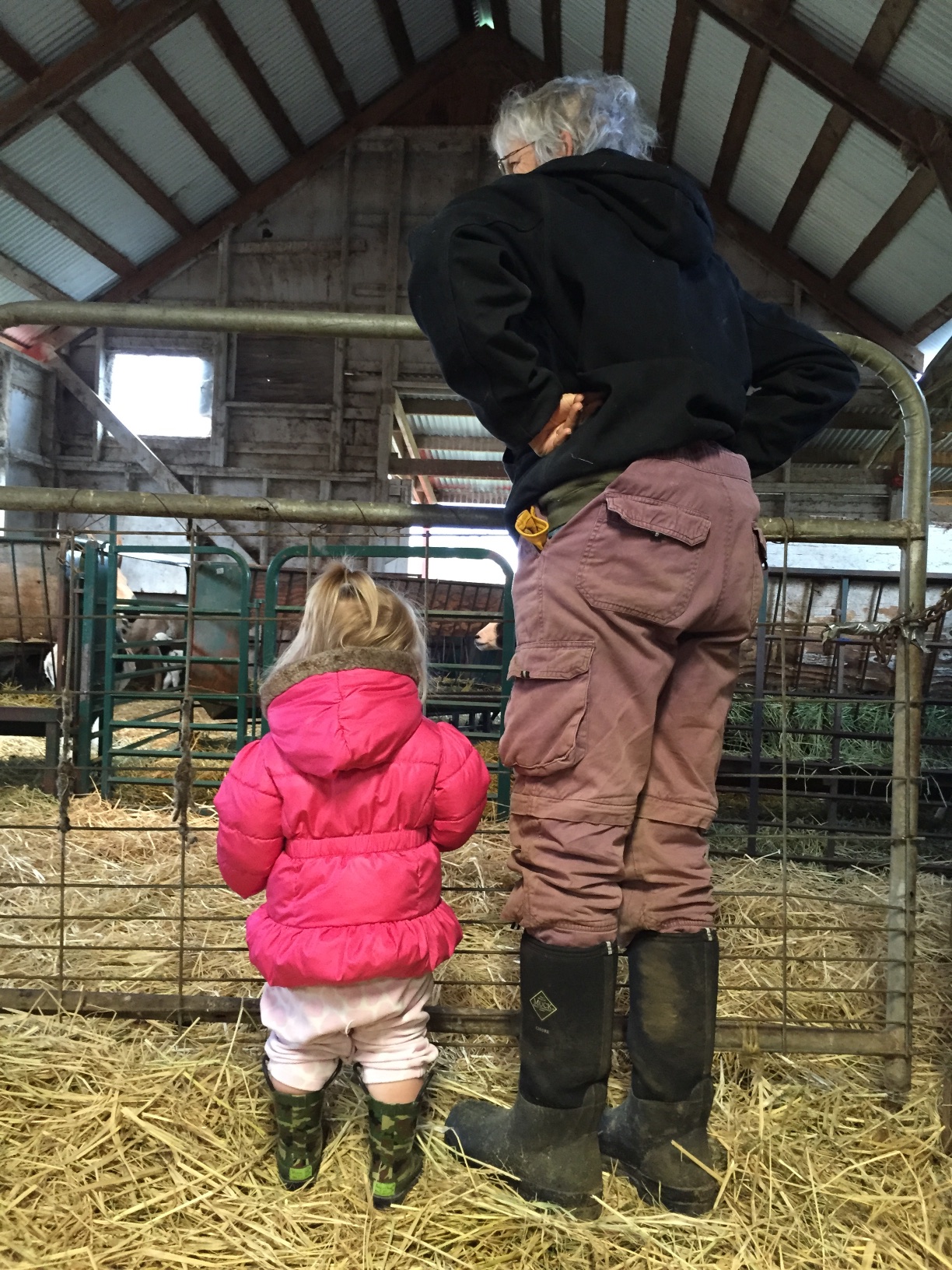 ...in her camo boots and pj's.
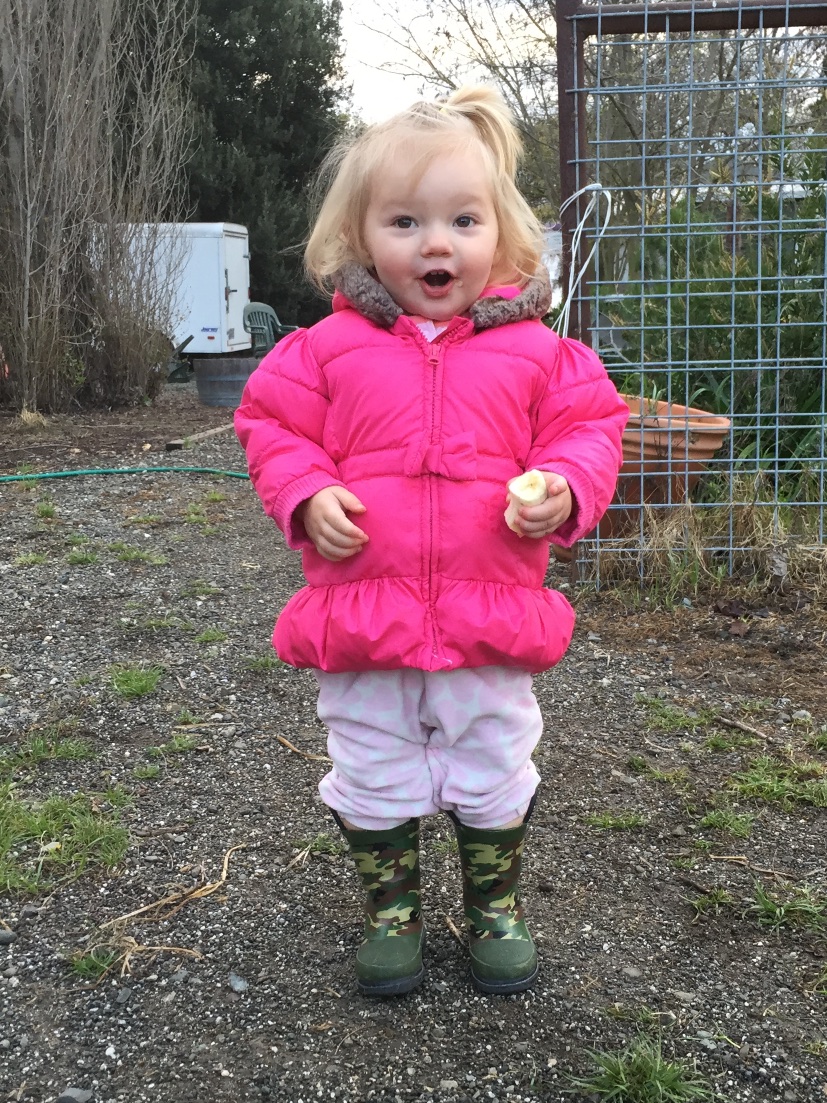 Kirby will be helping me in the barn for the next couple of days.
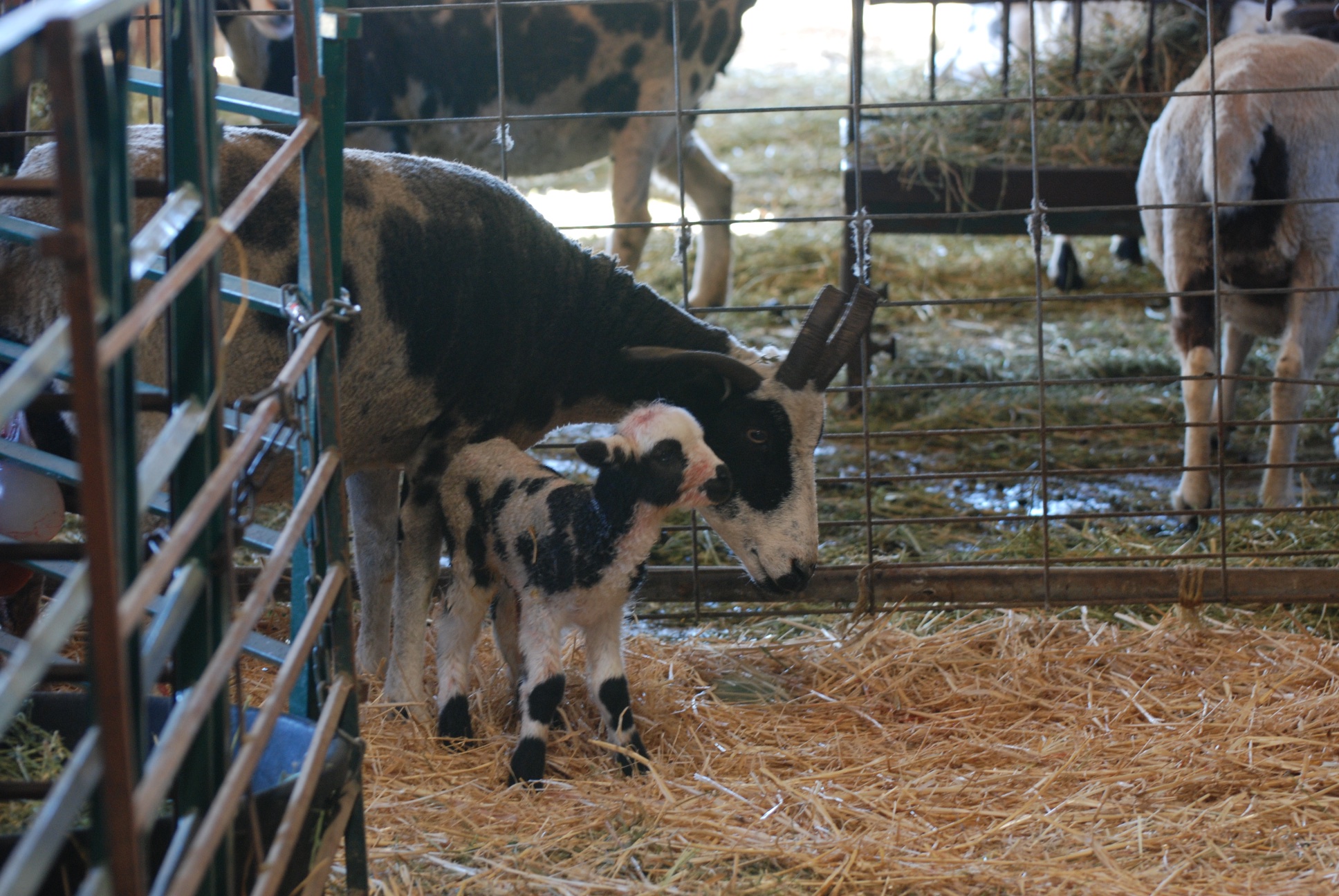 Lana had a very pretty lilac ewe lamb. Eventually, after it seemed things were taking a long time, I checked and found another lamb, pulled it, and spent about twenty minutes trying to make it live. I don't know if it was doomed from the start or aspirated fluid during birth, but it could never get a good enough breath and it died.
 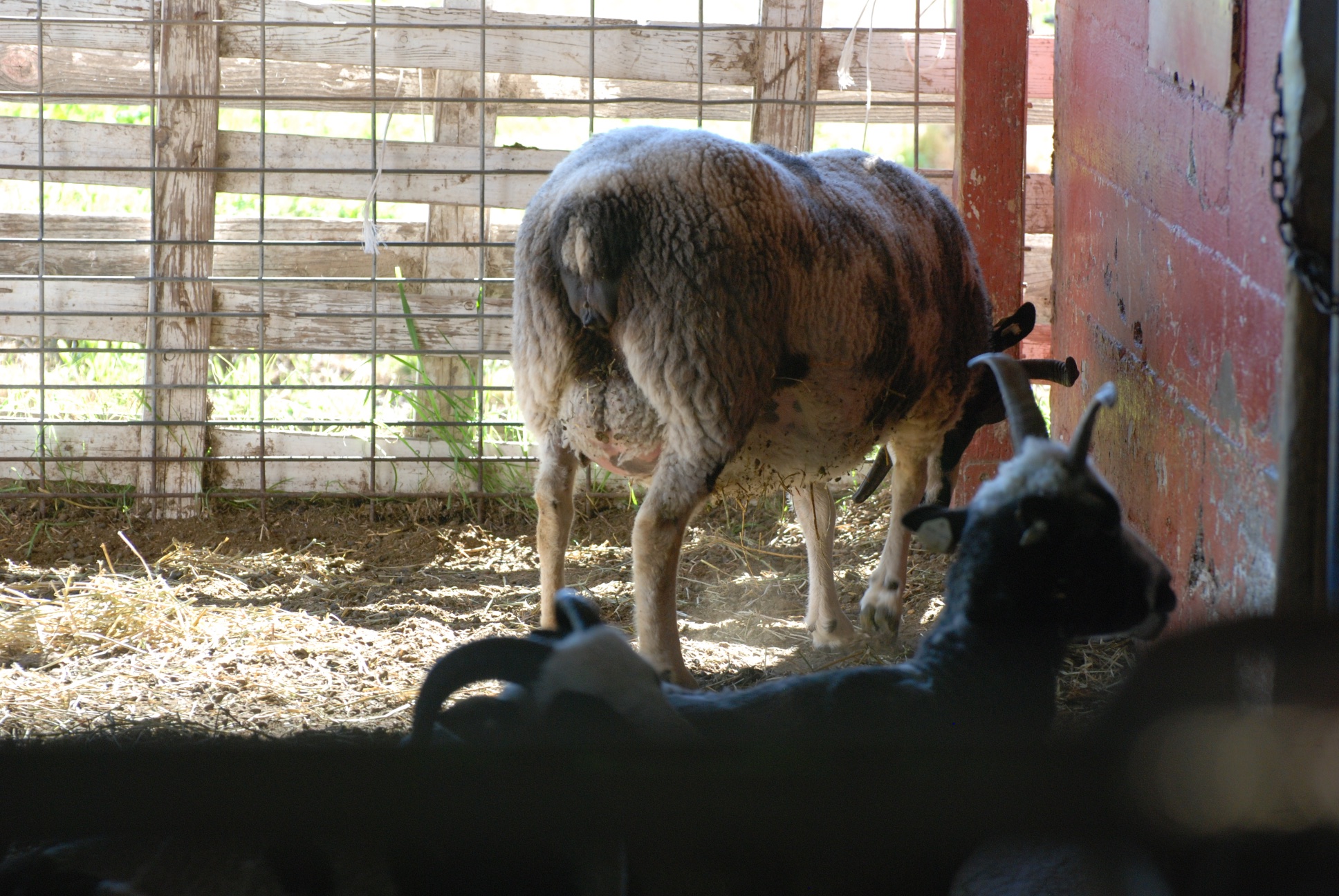 In the meantime Raquel was in labor. I have been in touch with some students at the UC Davis vet school who are interested in coming out for some hands-on practice. It's been difficult to coordinate their schedules with sheep lambing, but they were able to come out then for a couple of hours. Unfortunately Raquel didn't lamb while they were here but they did do some ear tagging, tail banding...
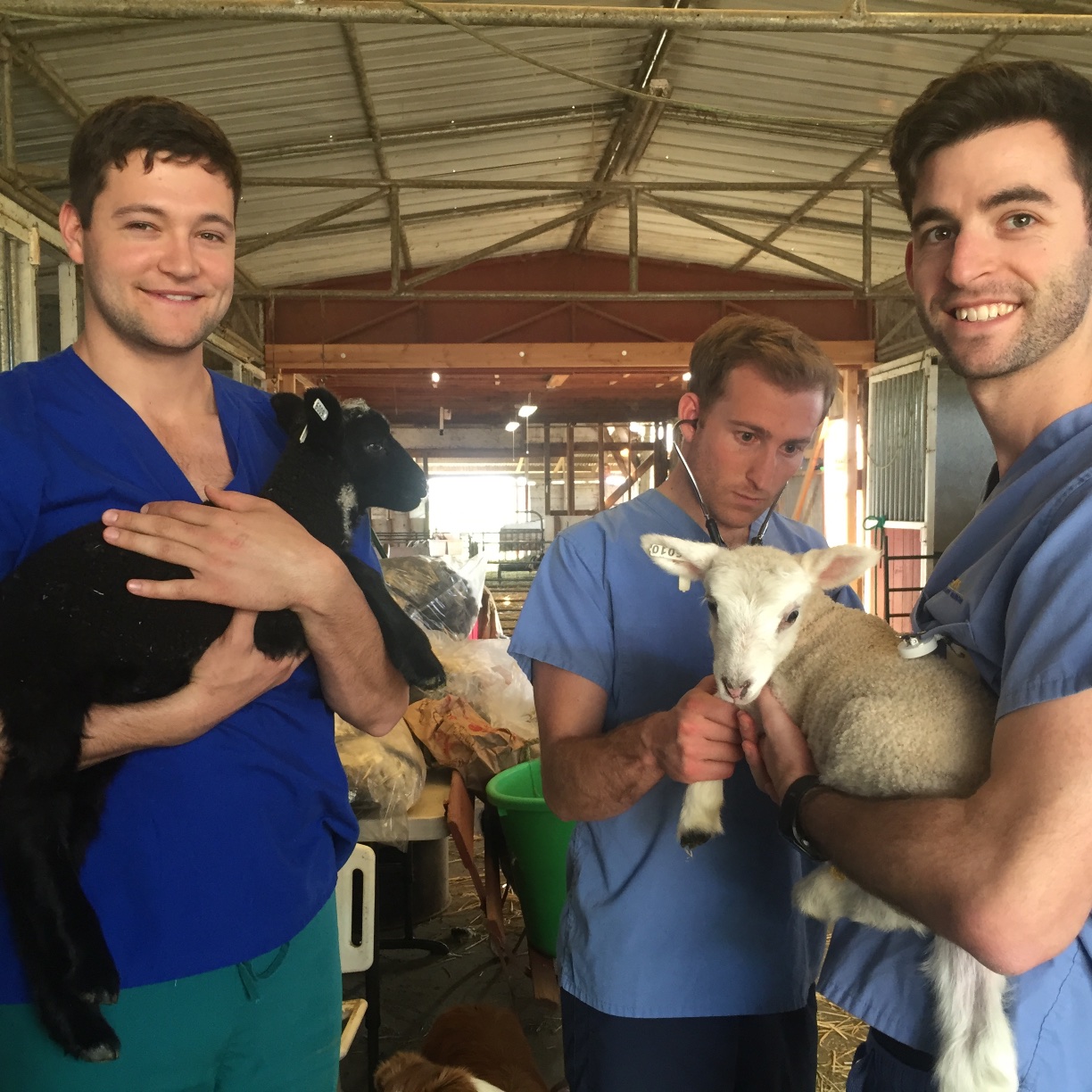 ...and they listened to the normal and the not-as-healthy lungs of these twins, one of whom has been getting penicillin because he almost died from pneumonia following a difficult birth (in
 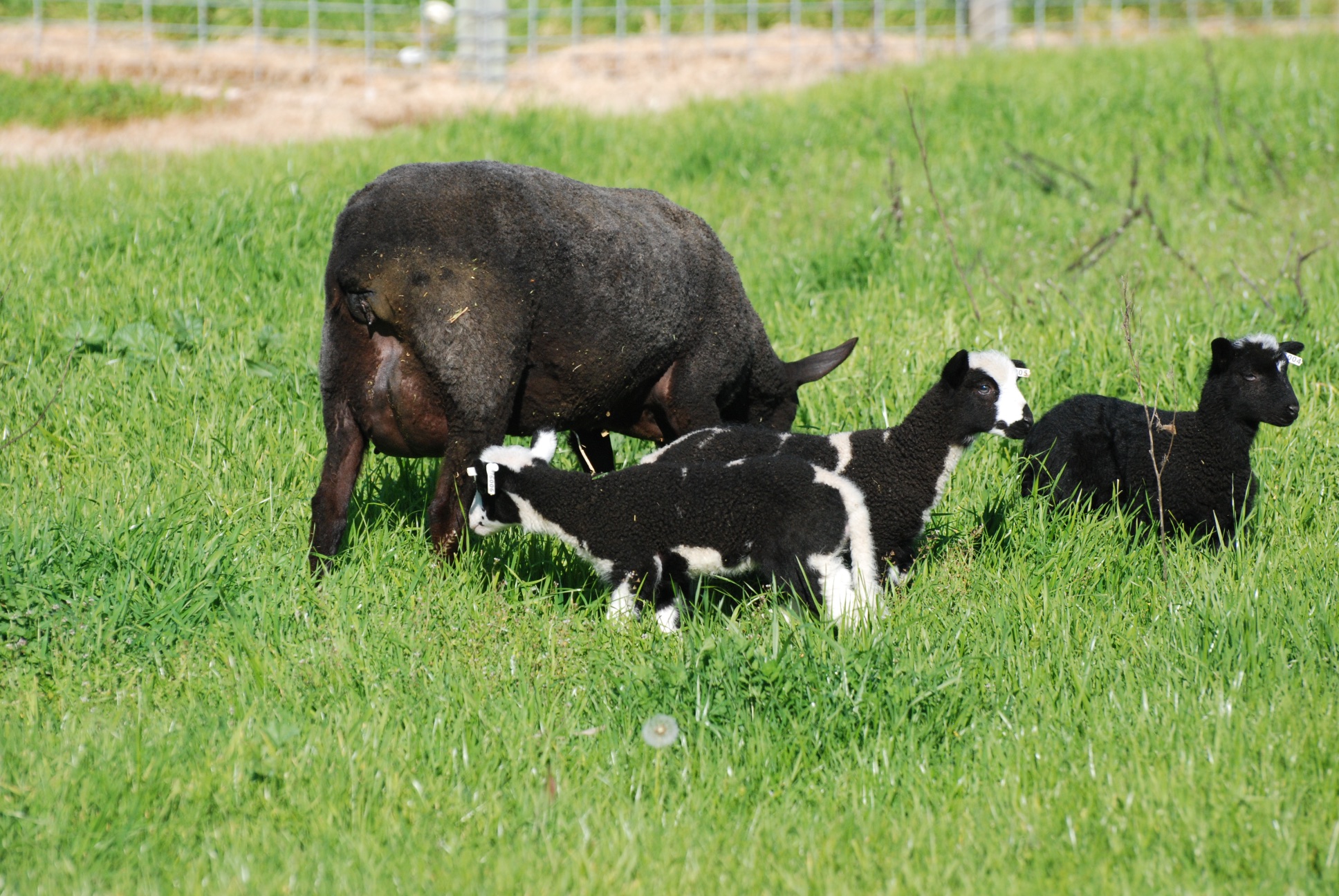 We finally got the ewes with the first lambs out on the pasture. Can you tell where all the mom's food is going now?
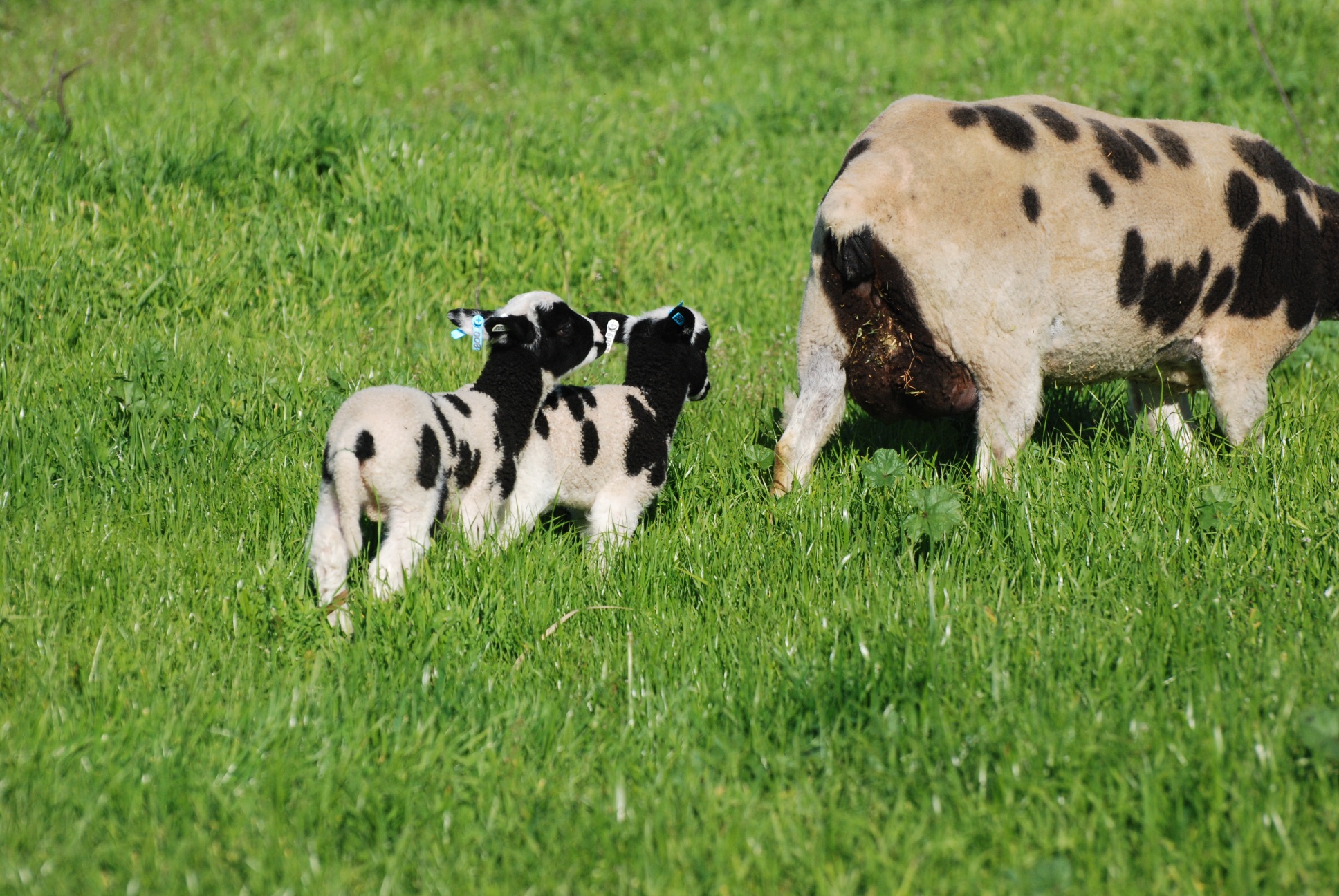 After getting the ewe through the end of pregnancy and then lambing in good health, the next challenge is keeping an eye on the udder health. As the milk is coming in (the lesser amount of colostrum giving way to a greater quantity of milk) the udder may become engorged. If there is tenderness and the ewe doesn't let the lambs nurse on one side it becomes a vicious cycle. Sore udder and teat...no nursing...more milk backing up...udder more full and sore. This can eventually lead to mastitis which, if not treated, can ultimately kill the ewe or at least ruin her udder.
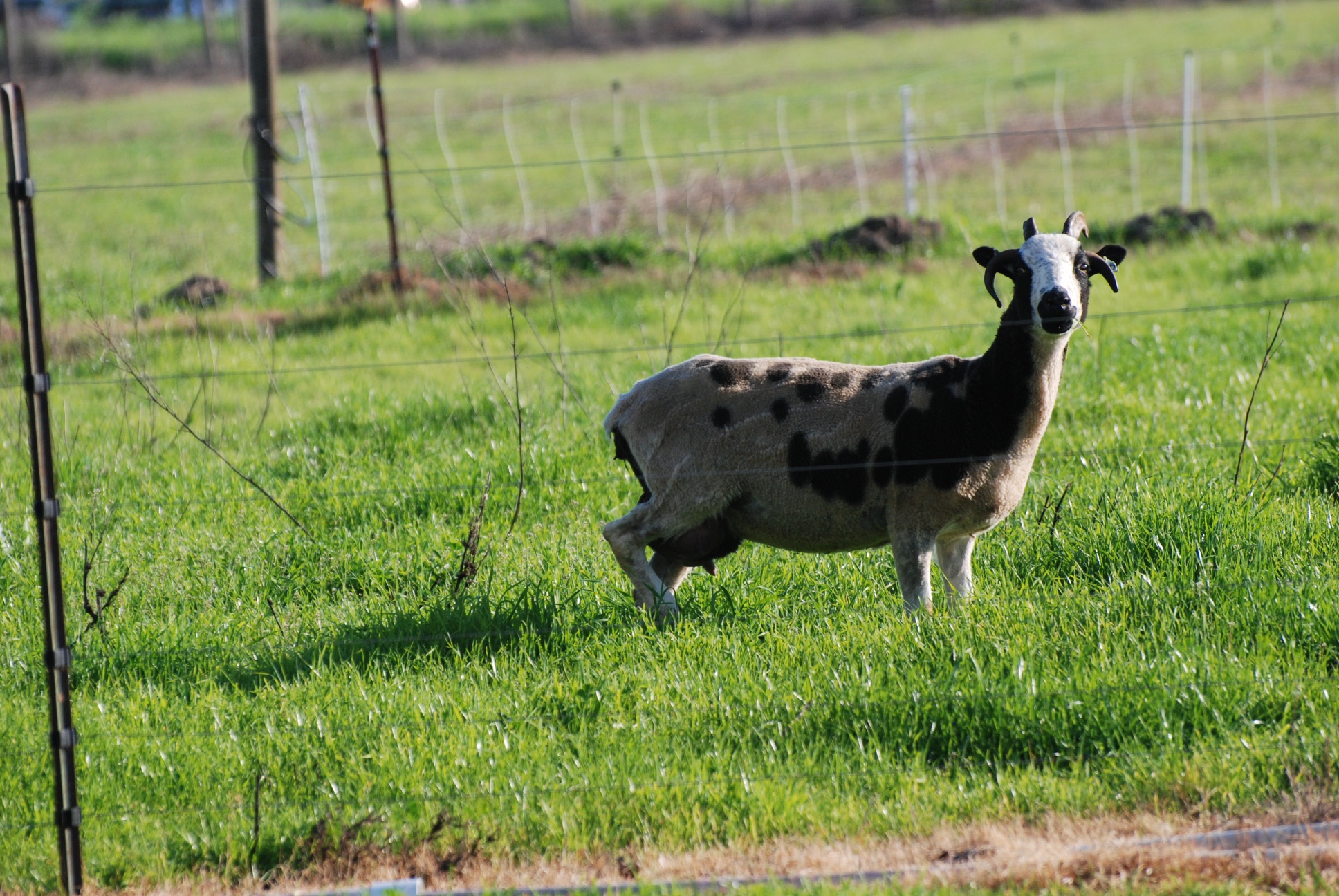 Walking back to the house I noticed Mae standing like this. "Lameness" in a ewe who in nursing lambs may have nothing to do with the feet at all, but be because her udder is full and painful.
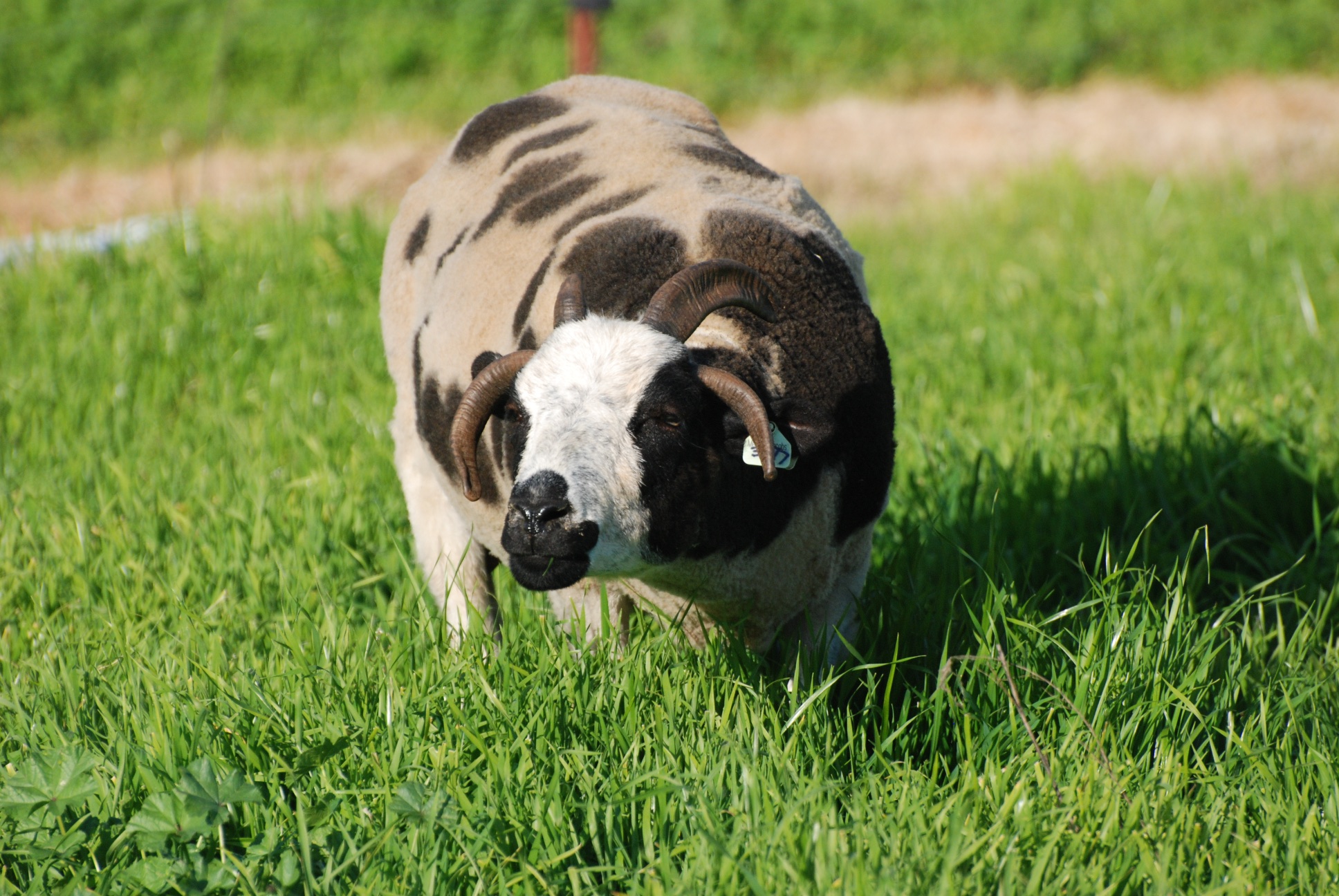 I went out to get her and bring her to the barn. I am amused by her response to me approaching.
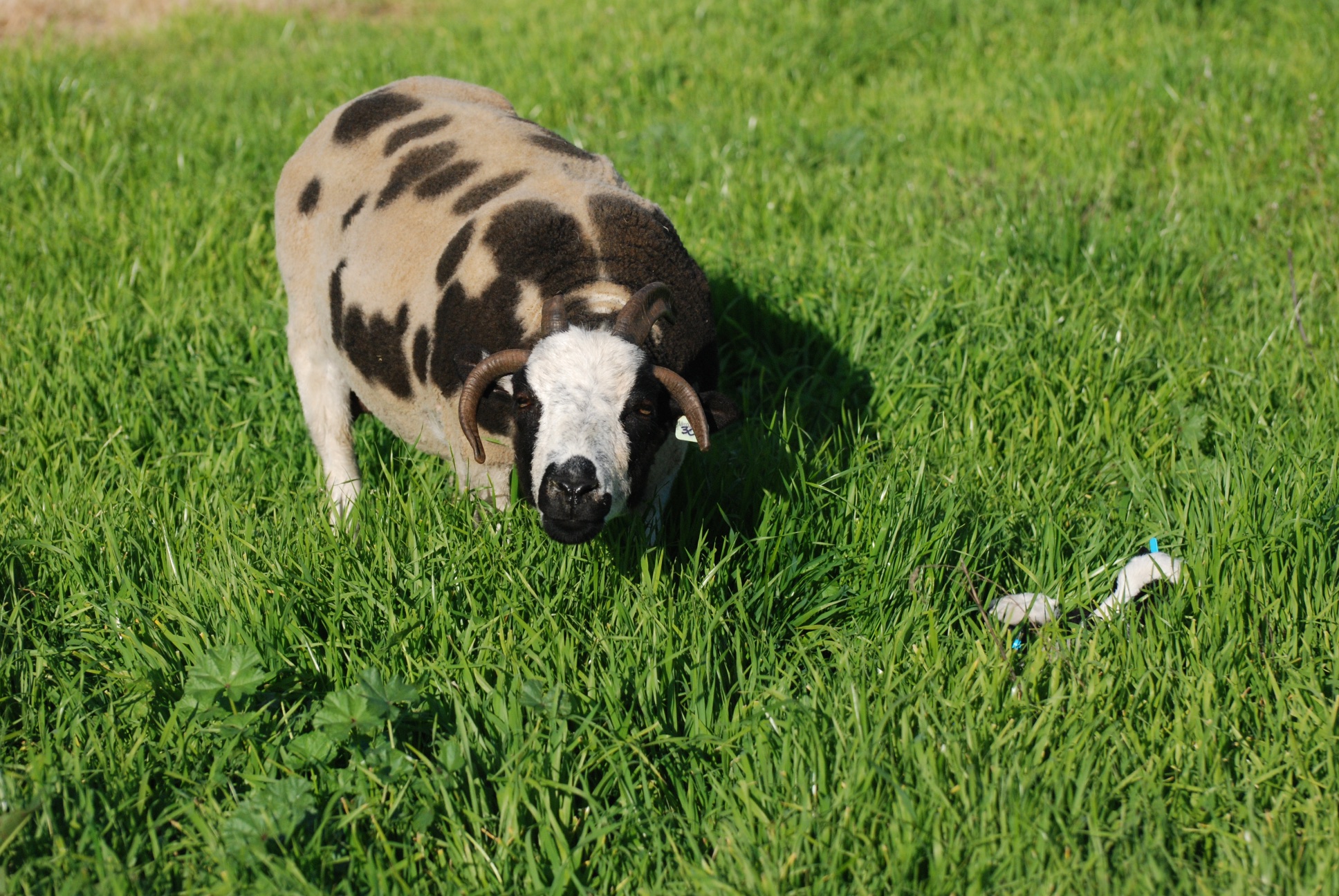 This is why. Her lambs are hidden in the grass.
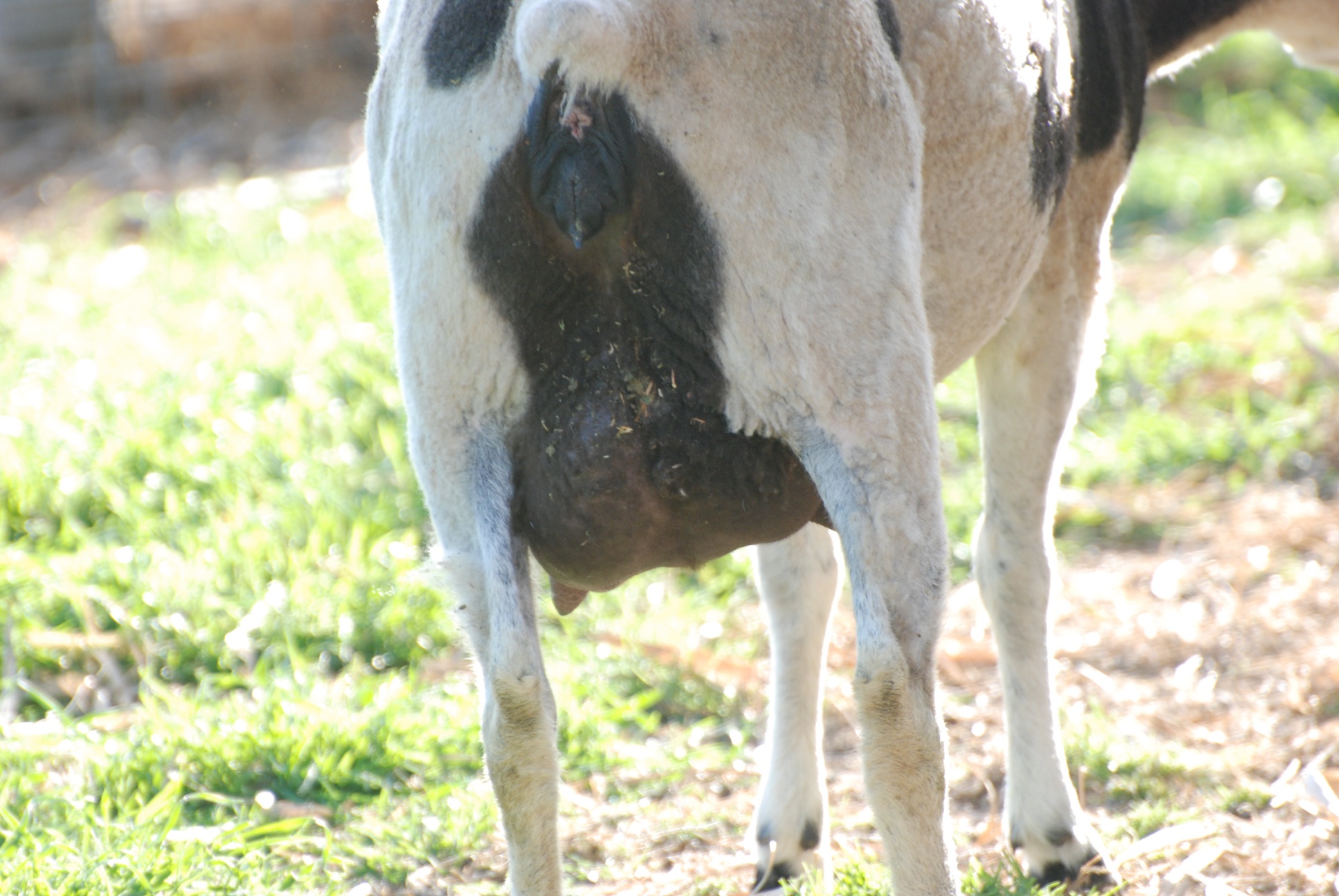 This is how Mae looked walking back to the barn.
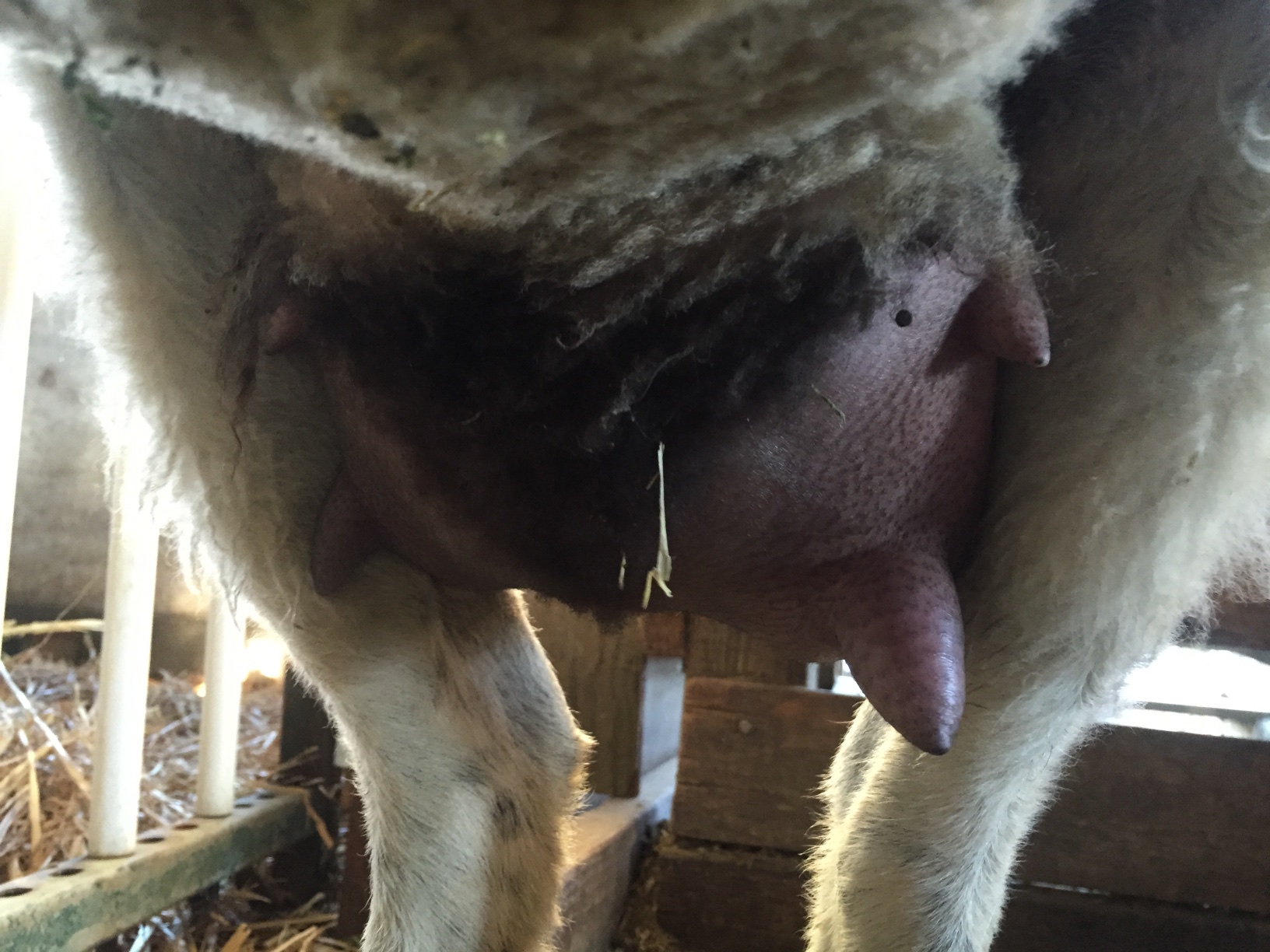 This is from the front. I tied her to the fence and milked the one side, taking 7.5 ounces.
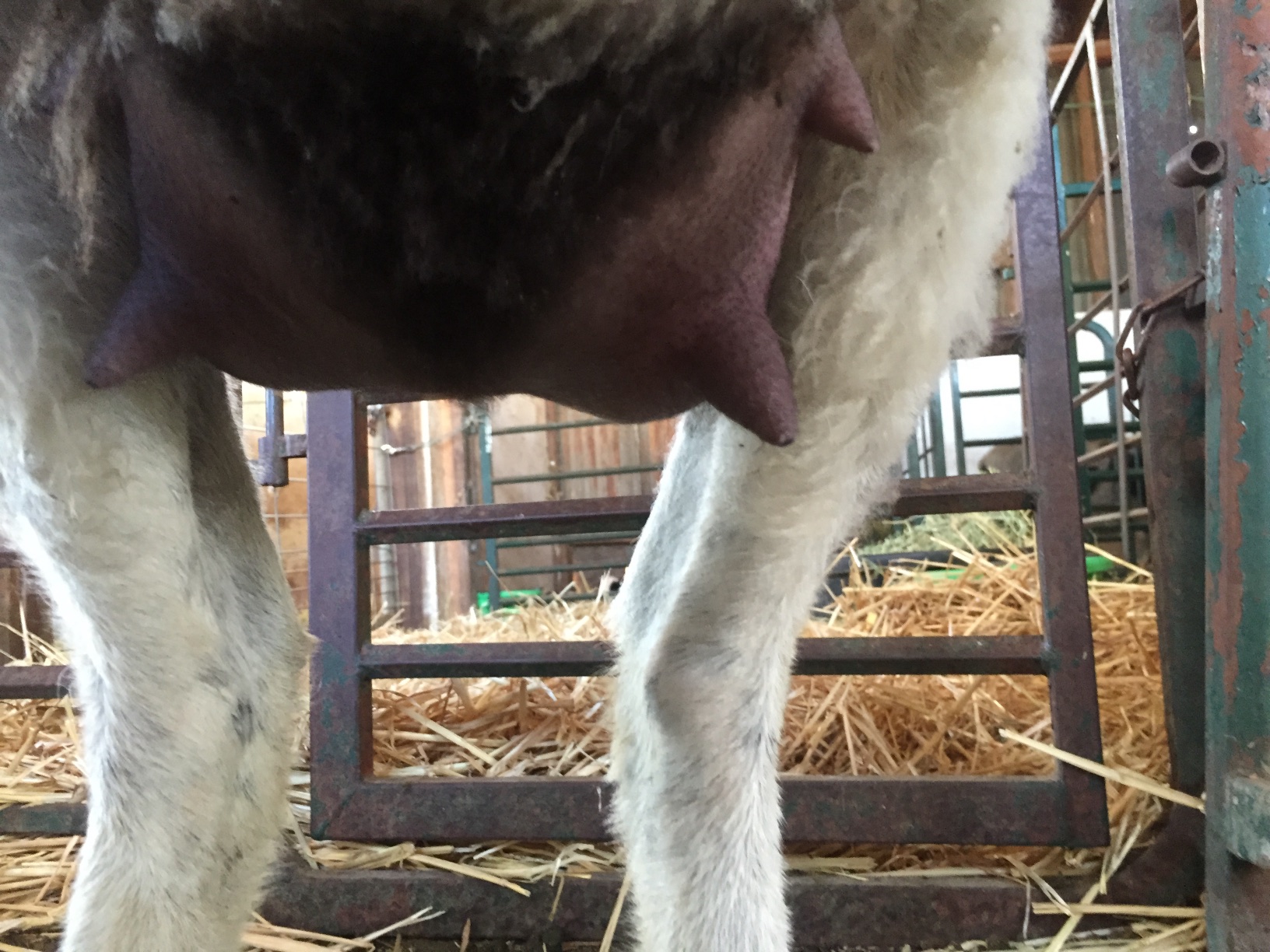 Then it looked and felt balanced. I milked her again this morning. There was another ewe in a similar situation and I had to milk her a couple of times. I have to remember to be watching for that over the next few weeks as these ewes lamb.
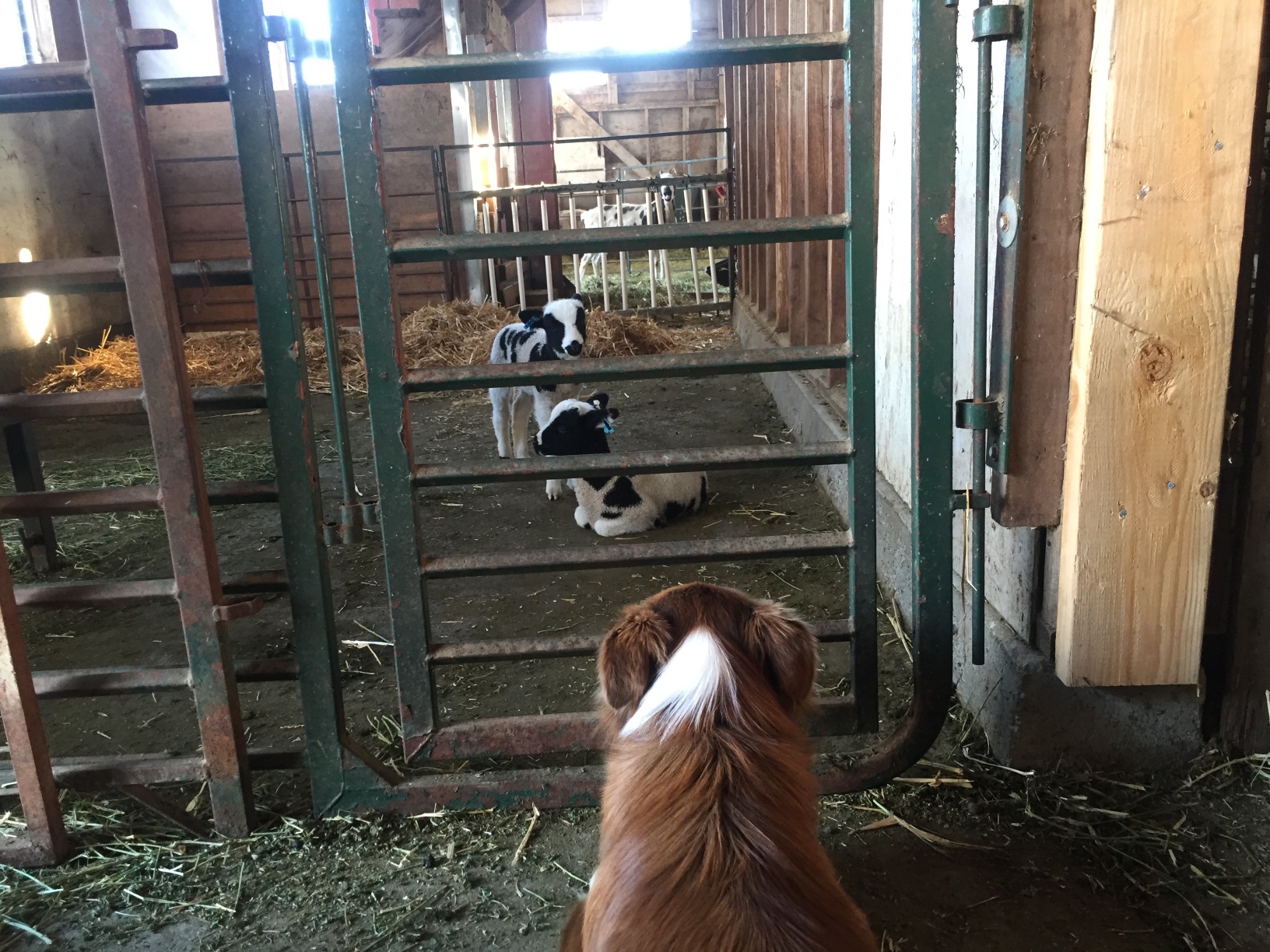 We set up the creep for the lambs. They can get through the narrow slots on that panel. The ewes aren't always happy that their babies can go somewhere that they can't follow.
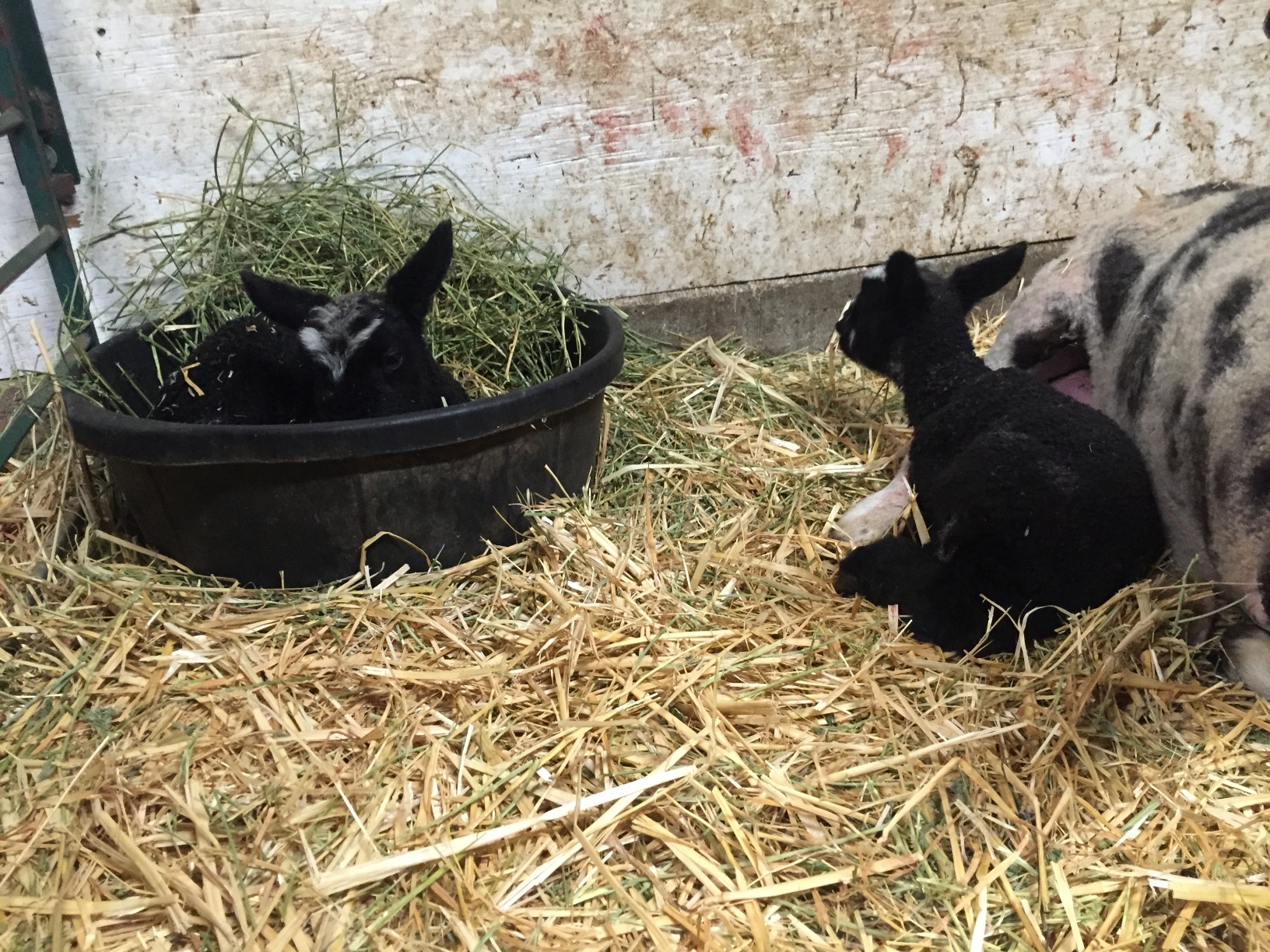 These are BFL-X lambs born the night before.
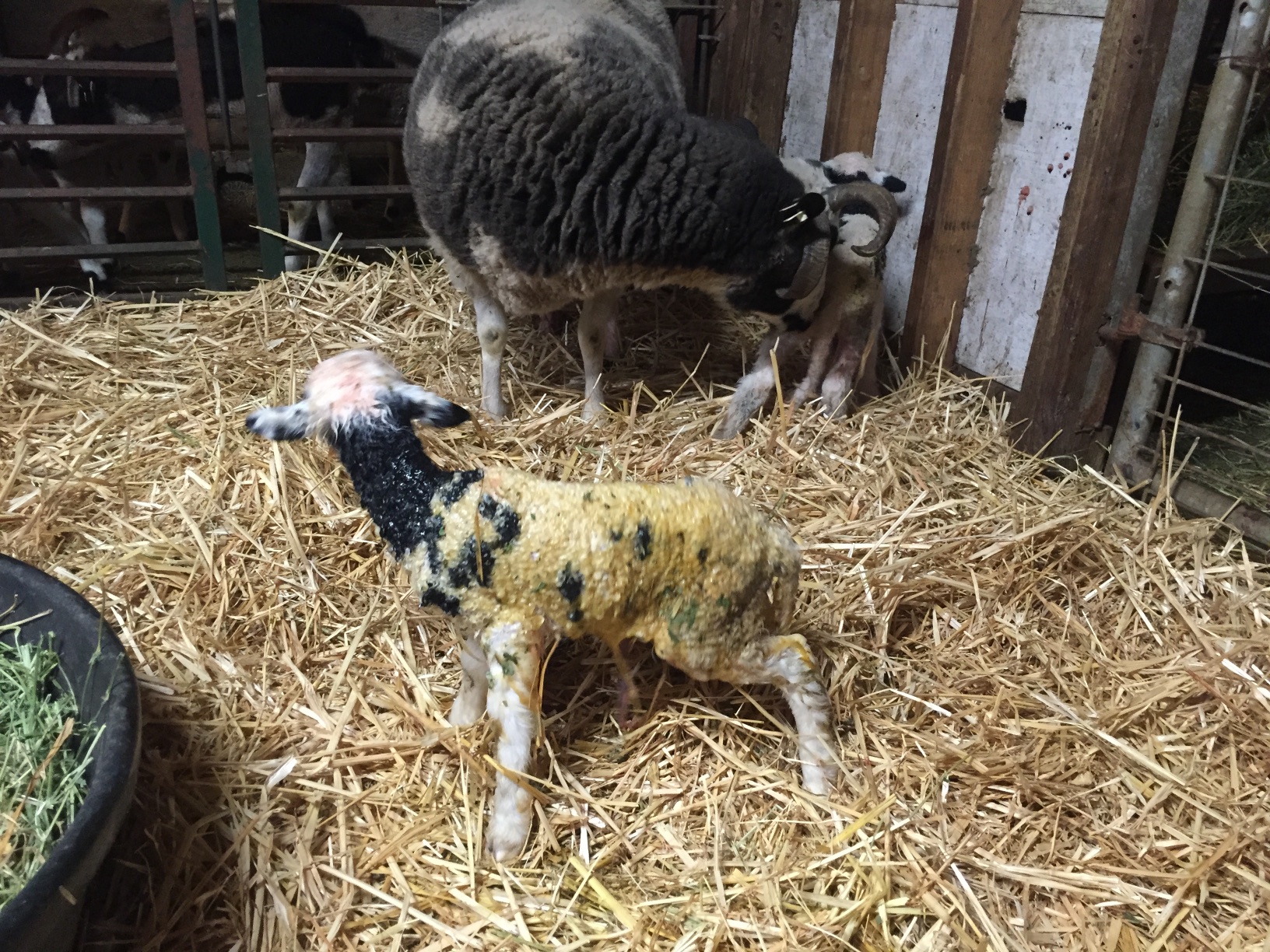 The last lambing of the day was Raquel. After the vet students had left and I had finished working outside I finally went to the house. I went back to the barn to check and these lambs had been born. It wasn't until later at the last check around midnight that I realized that Raquel didn't want one of them. But that is another story.
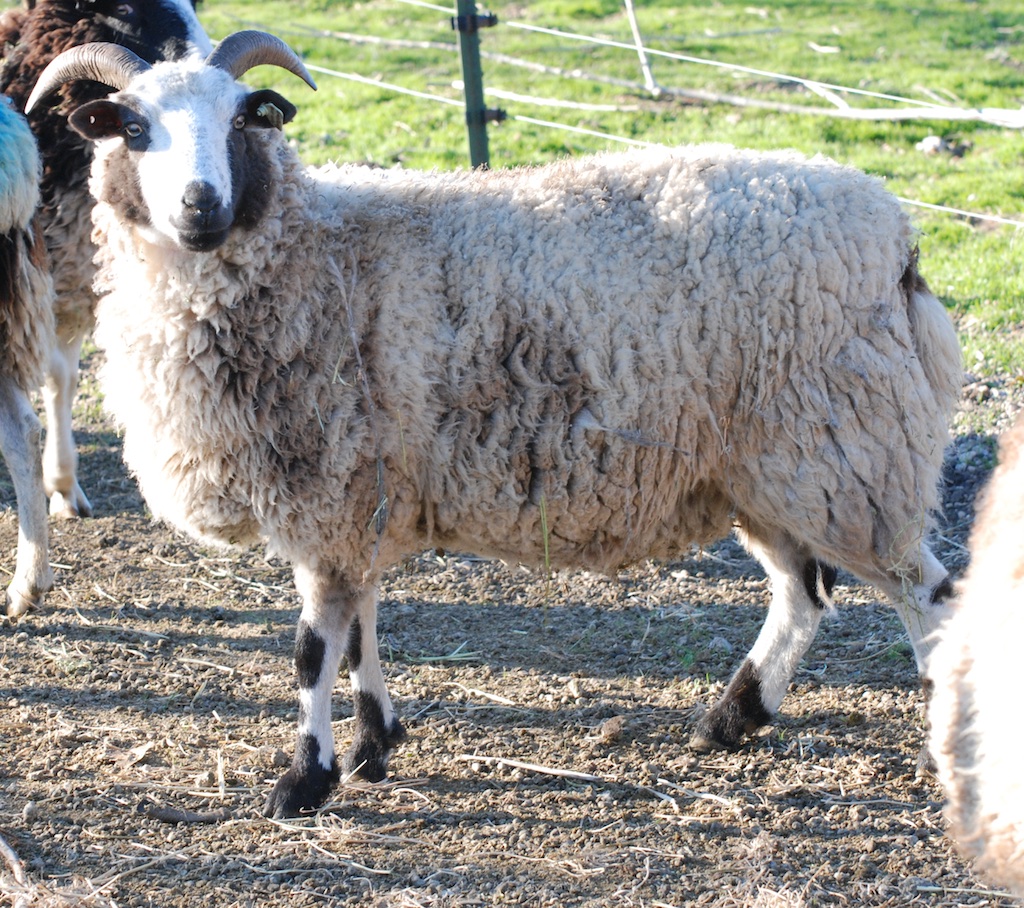 This is Ginseng above and below.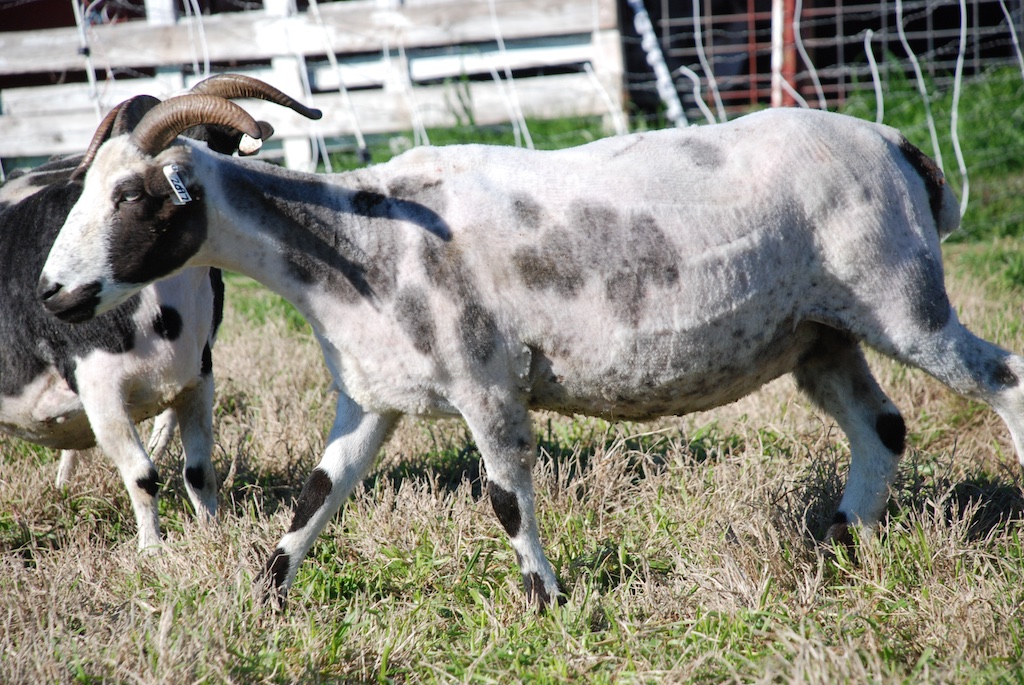
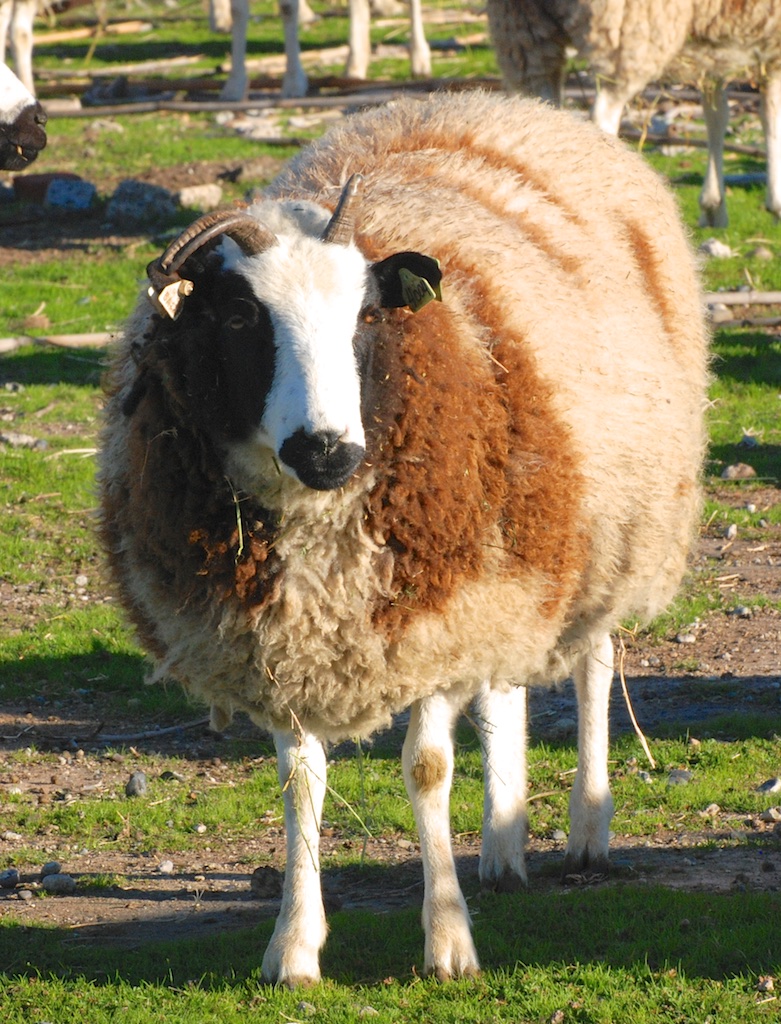 This is Betty.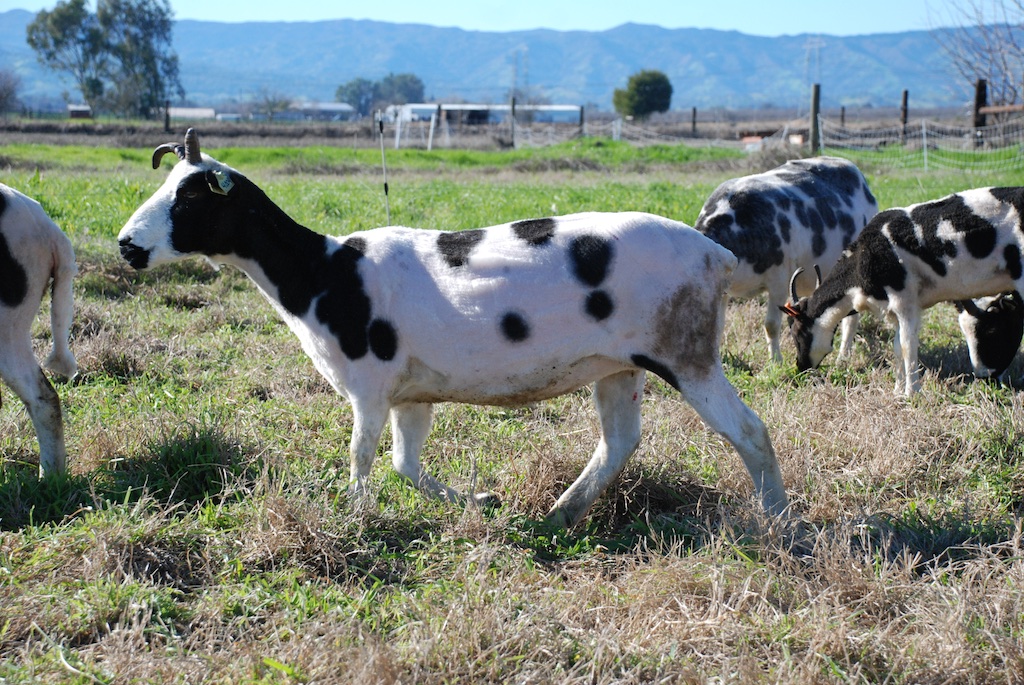
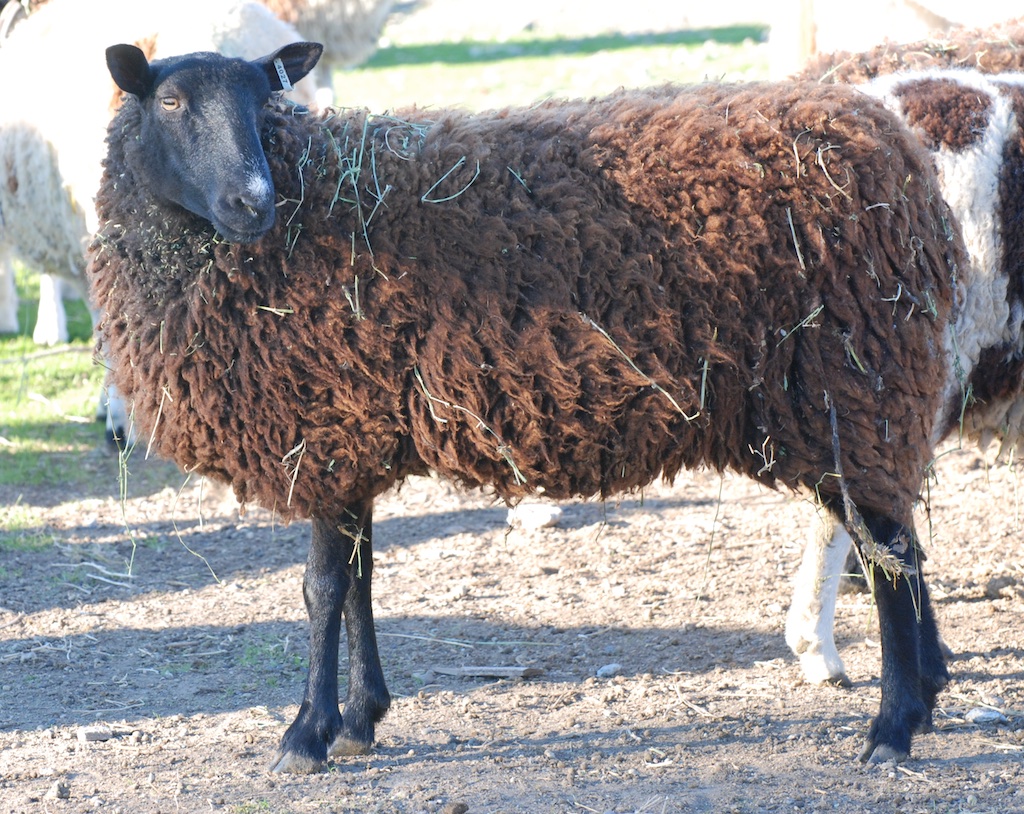 Esmerelda.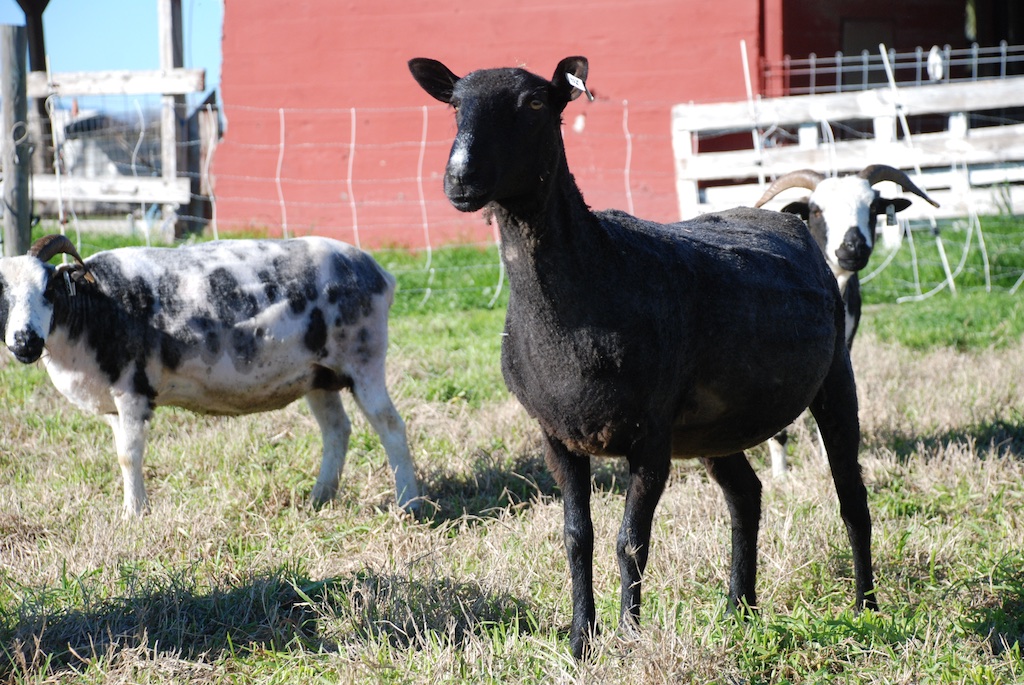
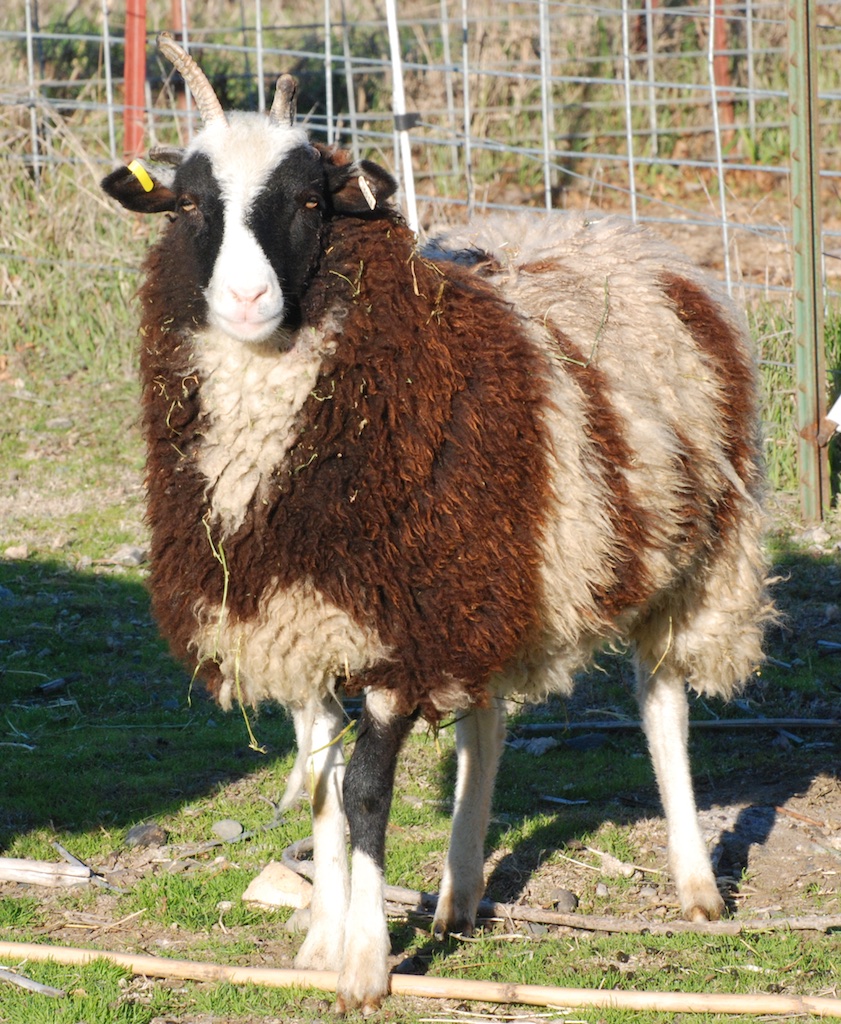 Lauren, one of last year's lambs, almost a yearling. The yearlings look a lot skinnier than the older ewes with no wool.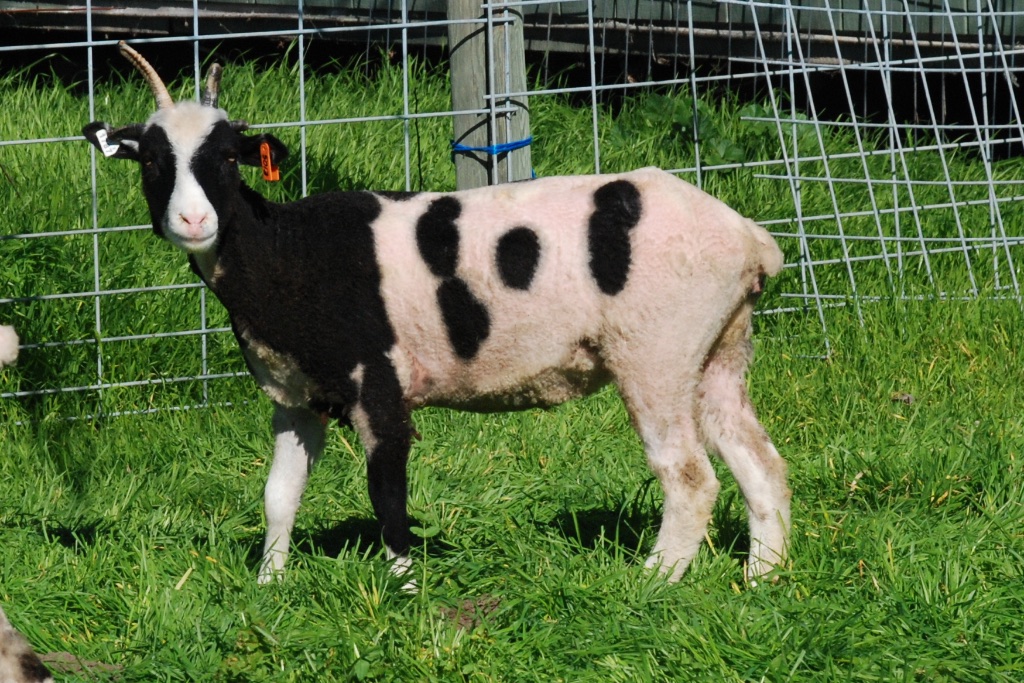
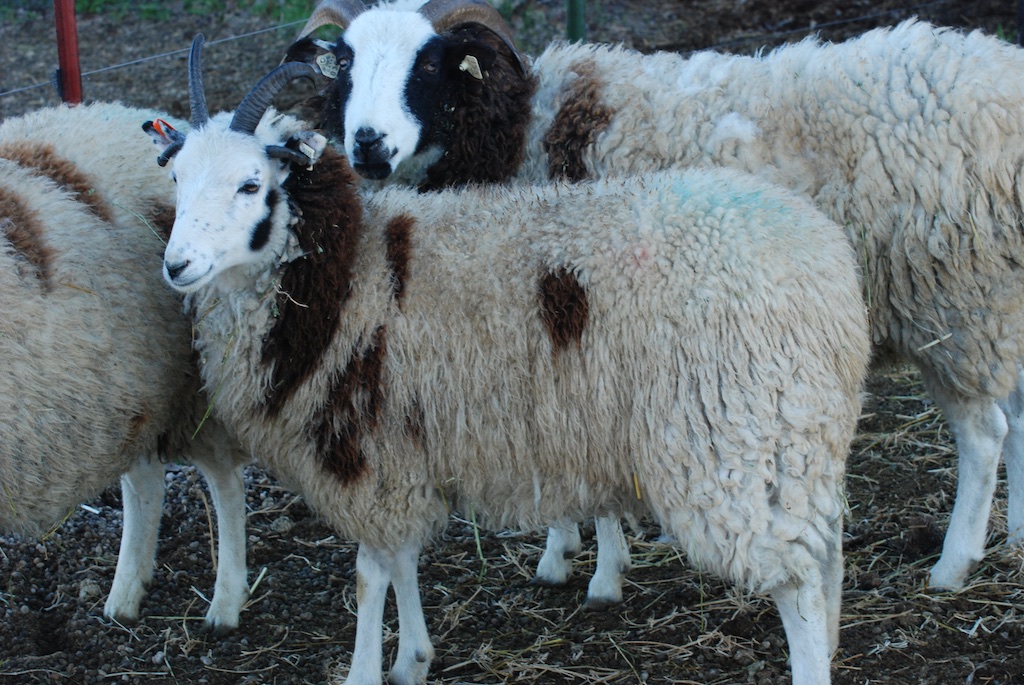 Jillian, another yearling.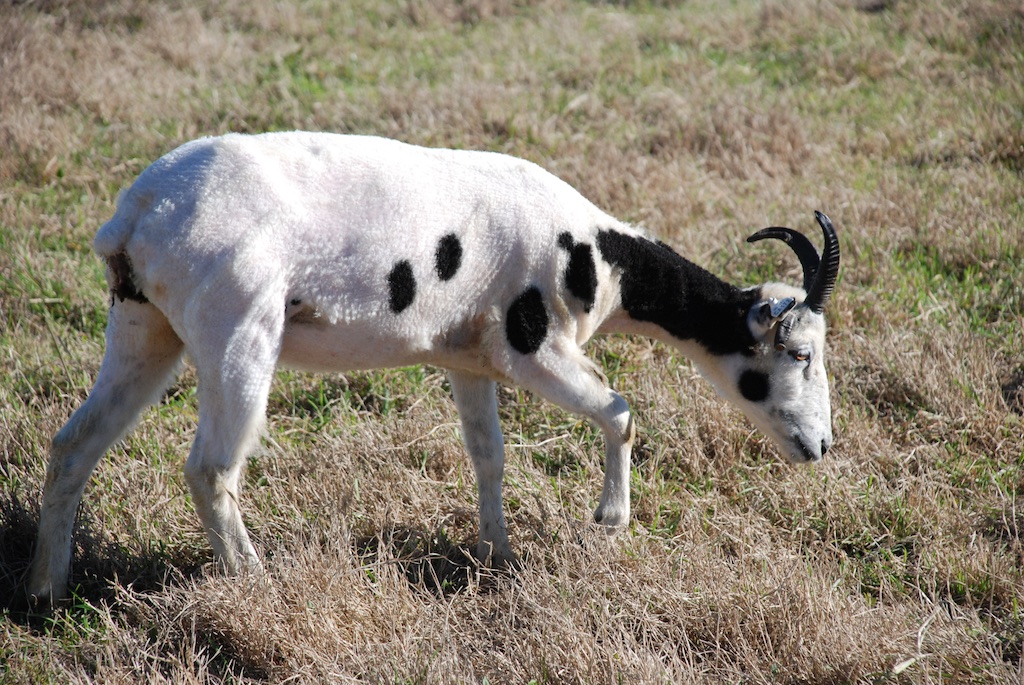
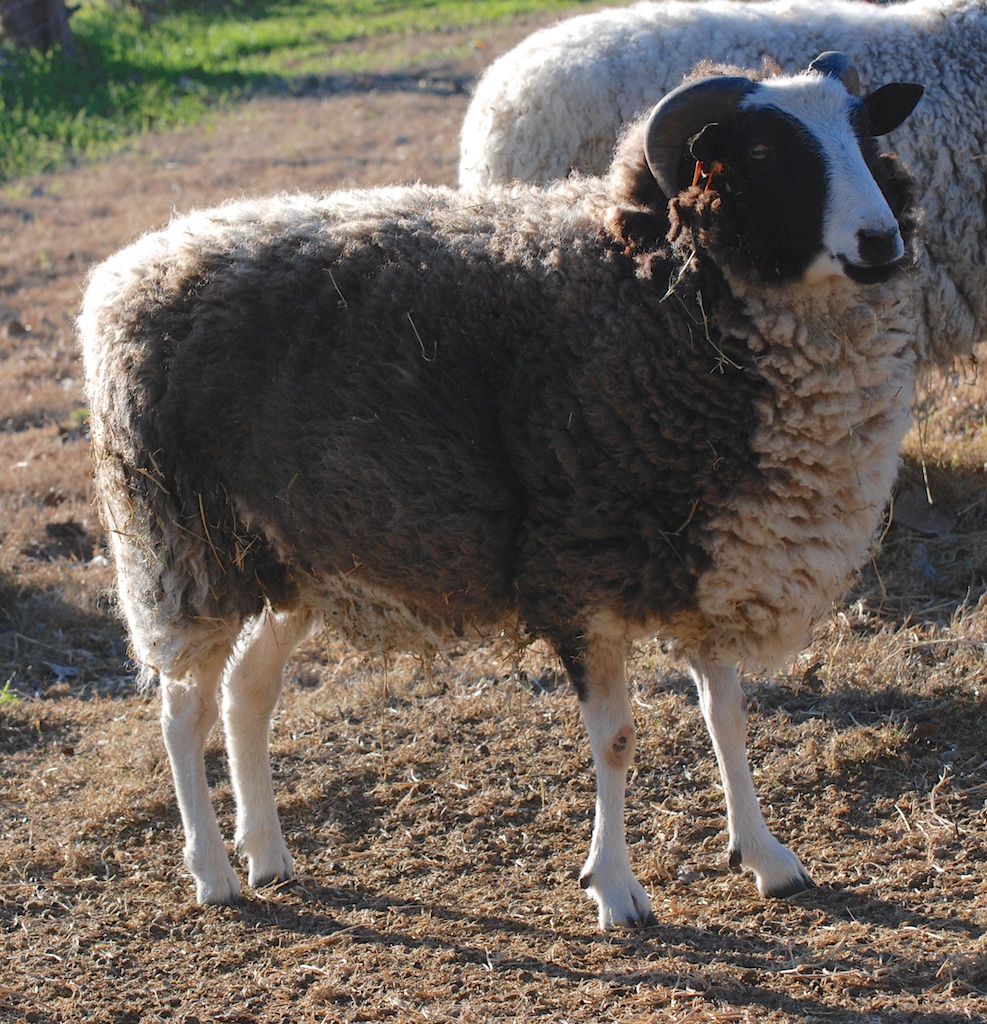 Jerry, a wether.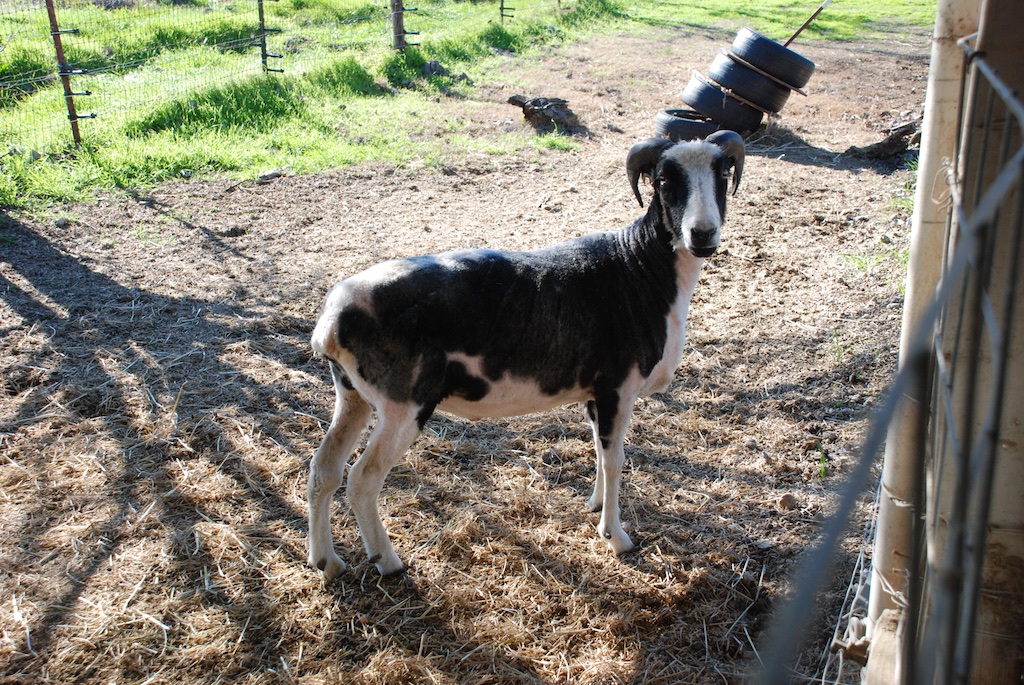
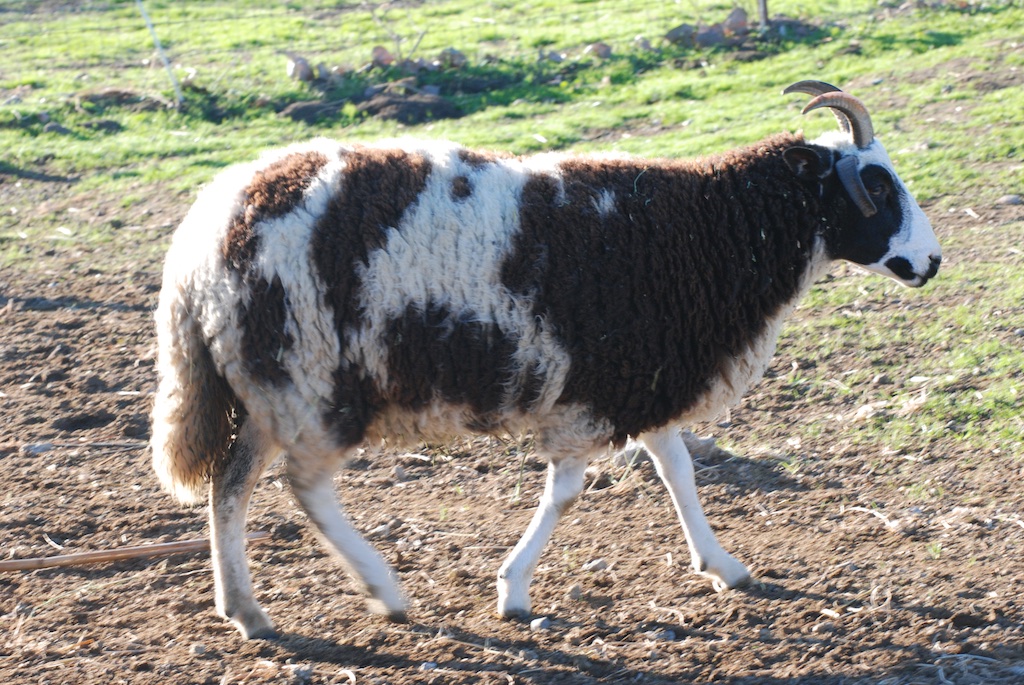 Isabelle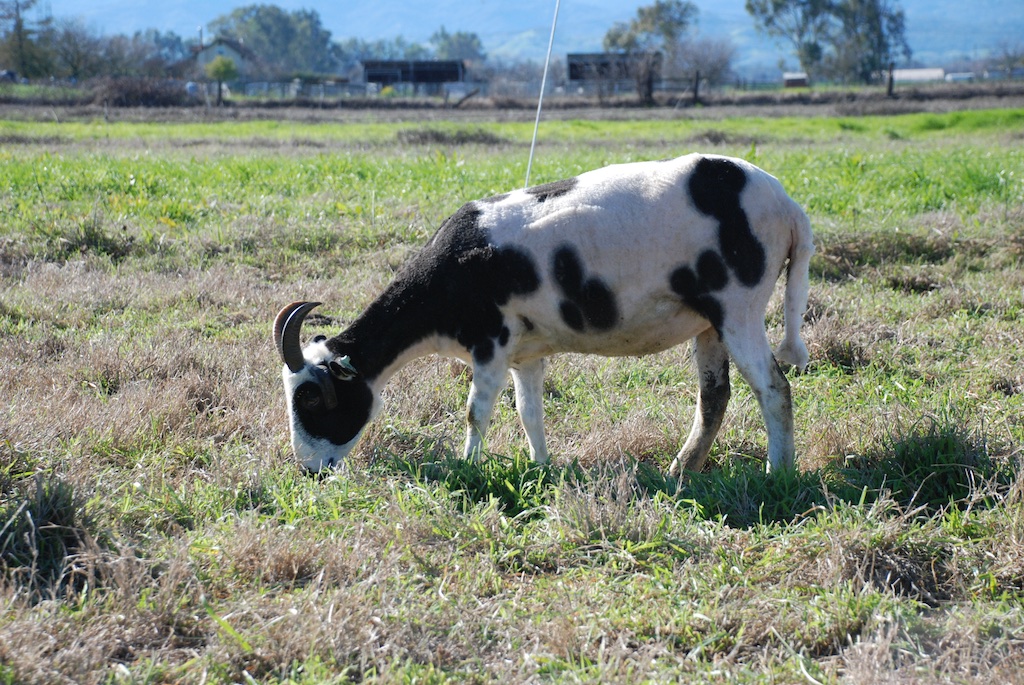
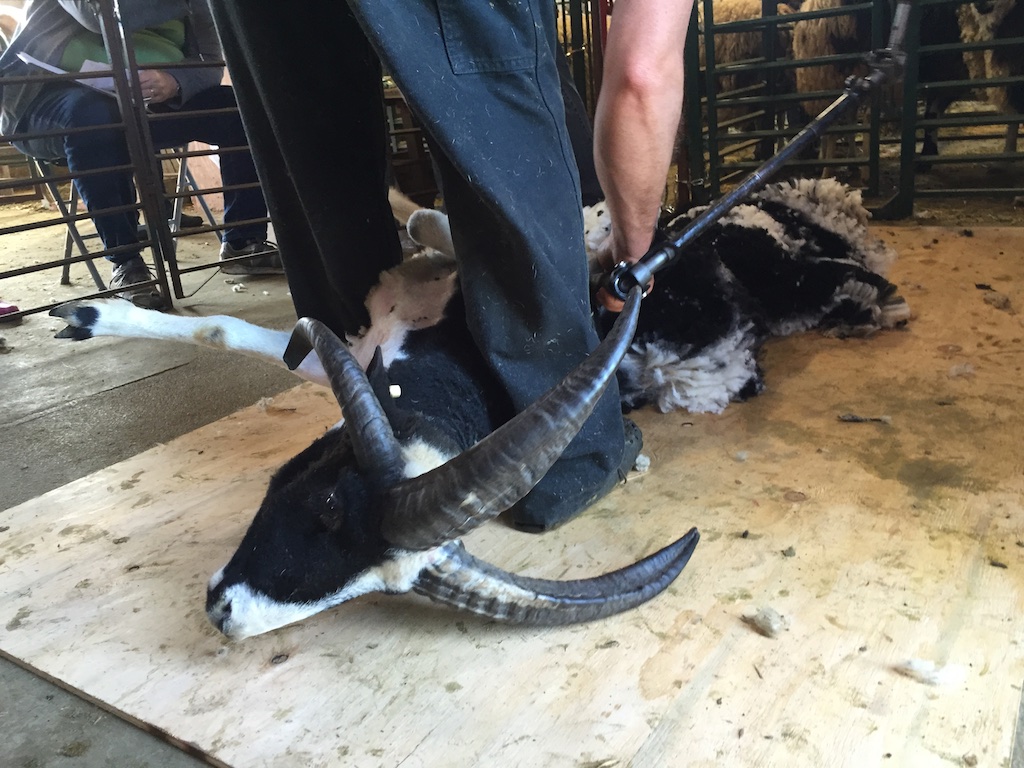 This is the yearling ram, Rotor.
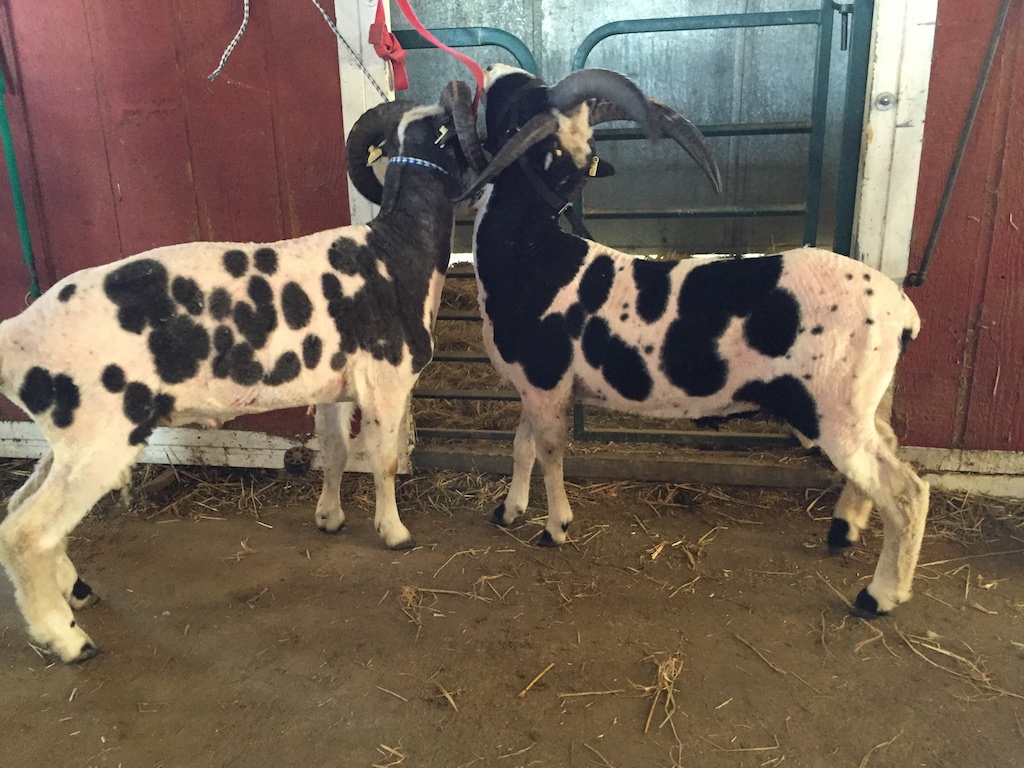 A good comparison of a lilac Jacob (Nash) and black & white (Rotor).
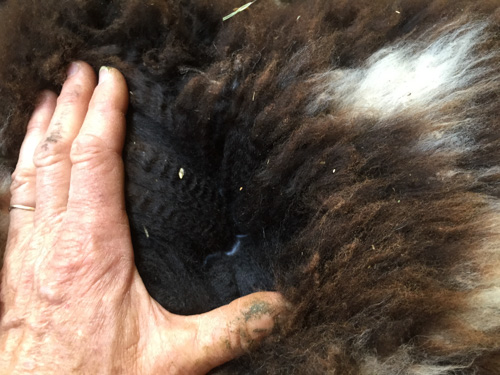
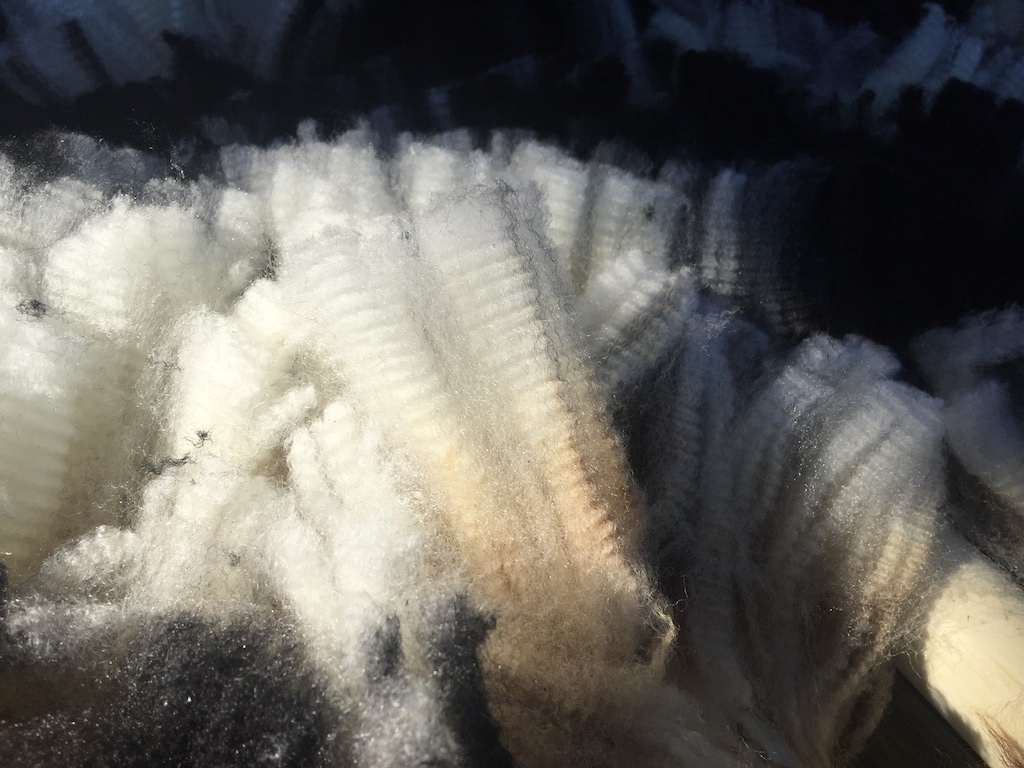 This is Rotor's fleece.
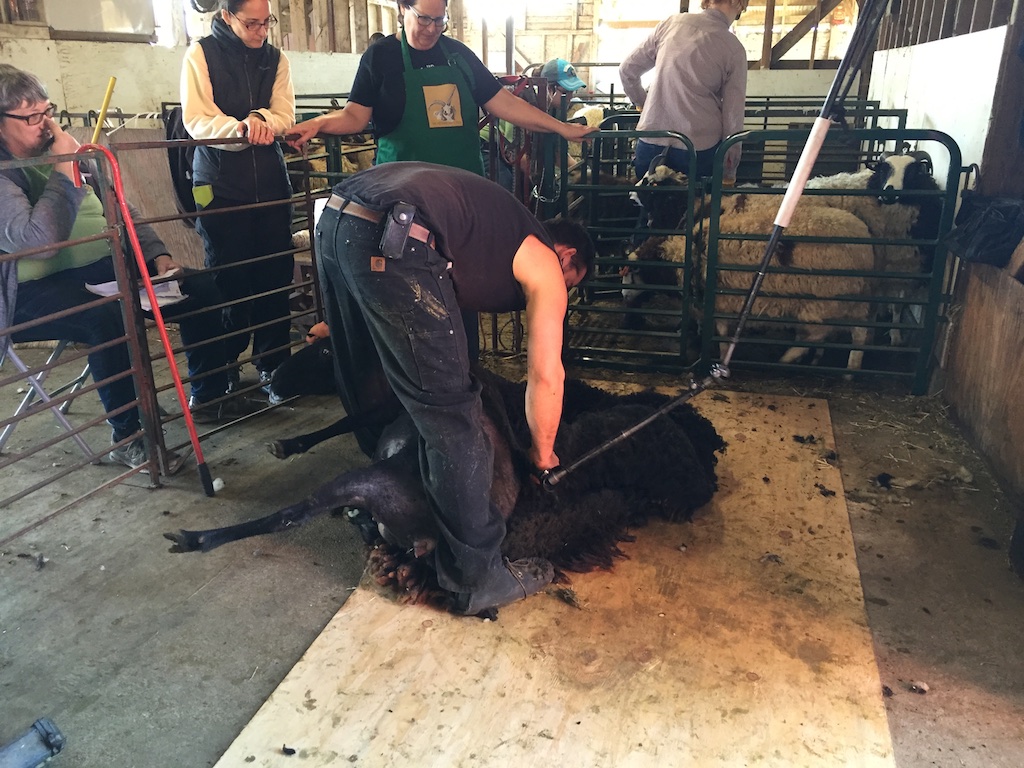 They aren't all spotted. This is one of the BFL-Jacob cross ewes.
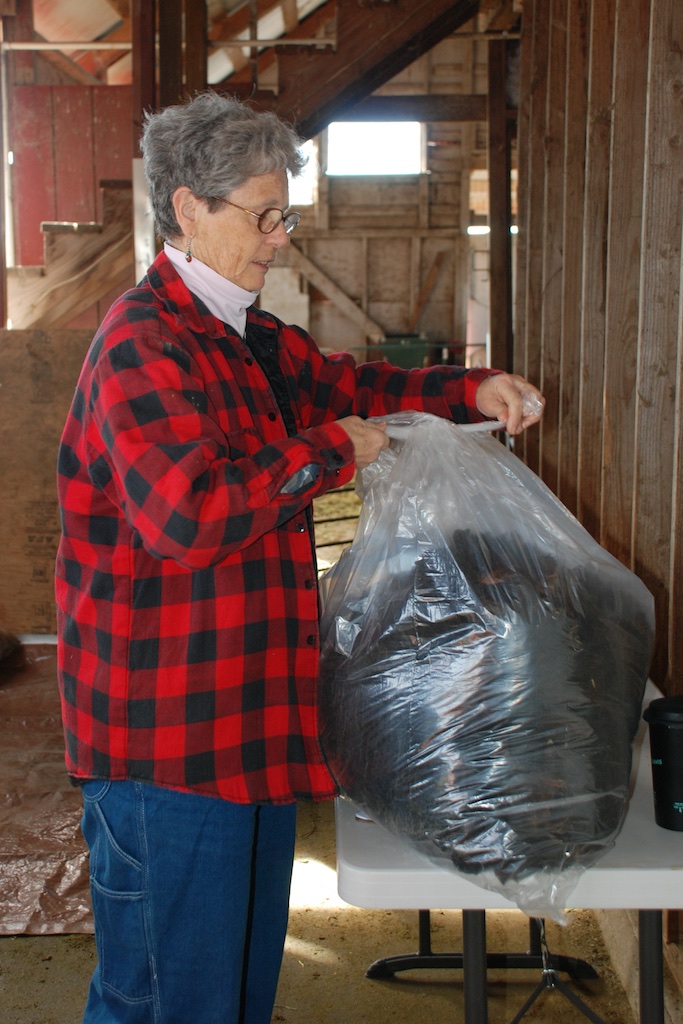 Lots of people help to make Shearing Day fun and easy for me. Kathleen weighed fleeces.
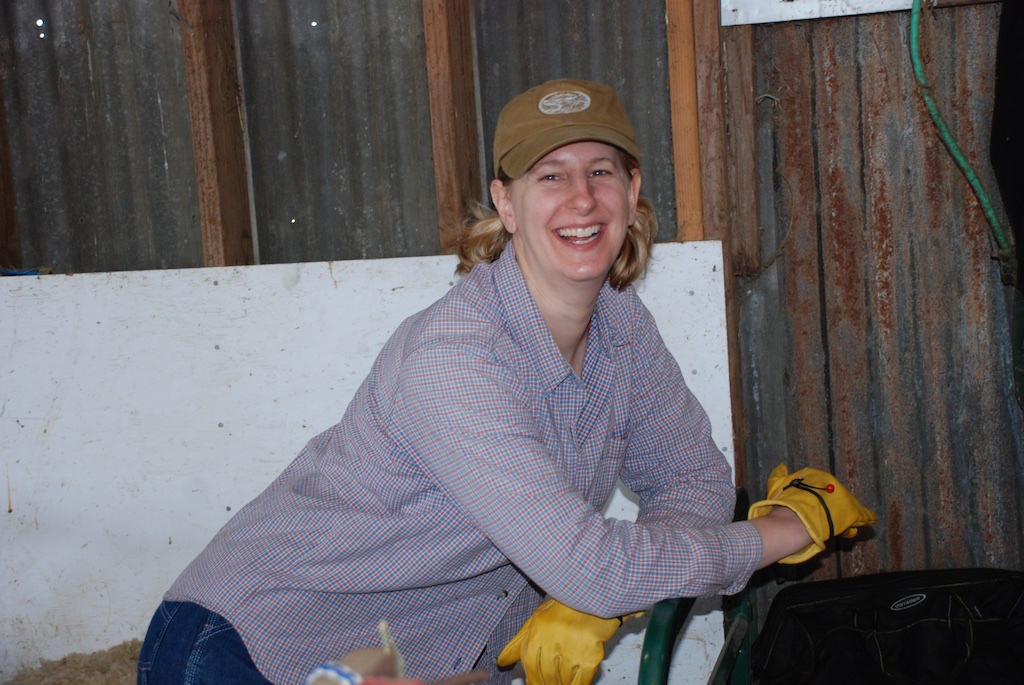 Stephany and Gynna wrangled sheep all morning.
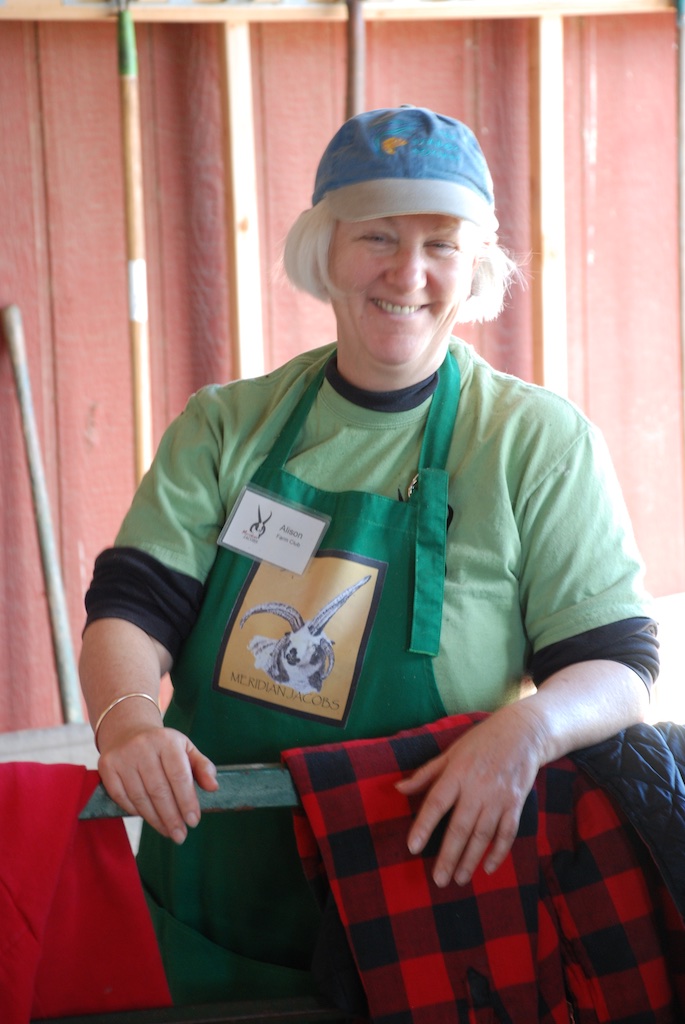 Alison and many others helped at the skirting table.
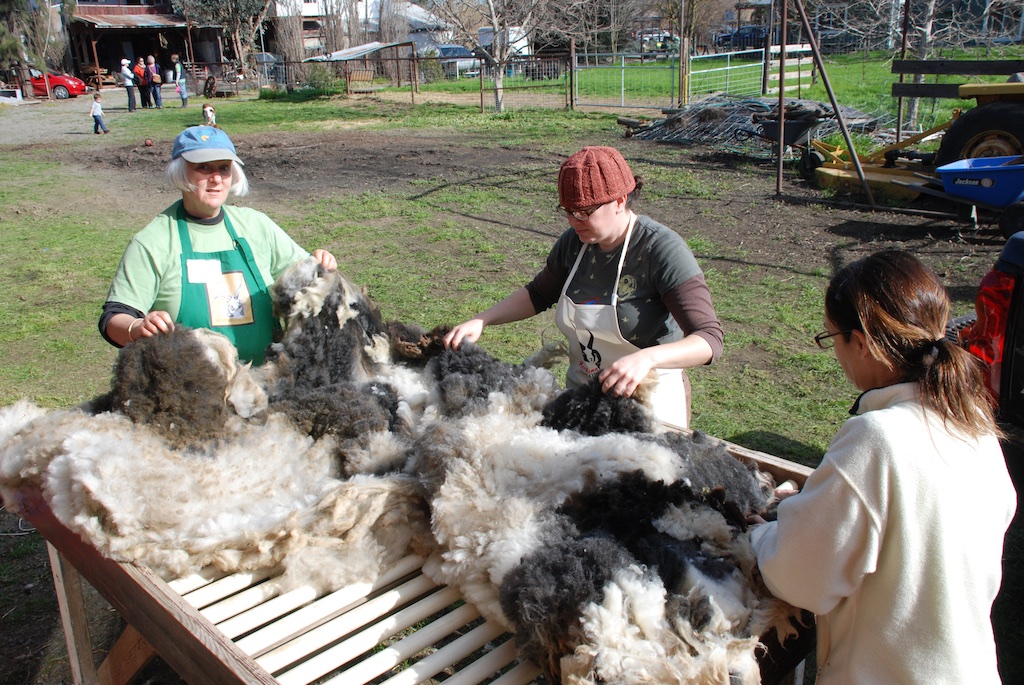 People are welcome to skirt their fleeces before buying or ask for advice about fleeces.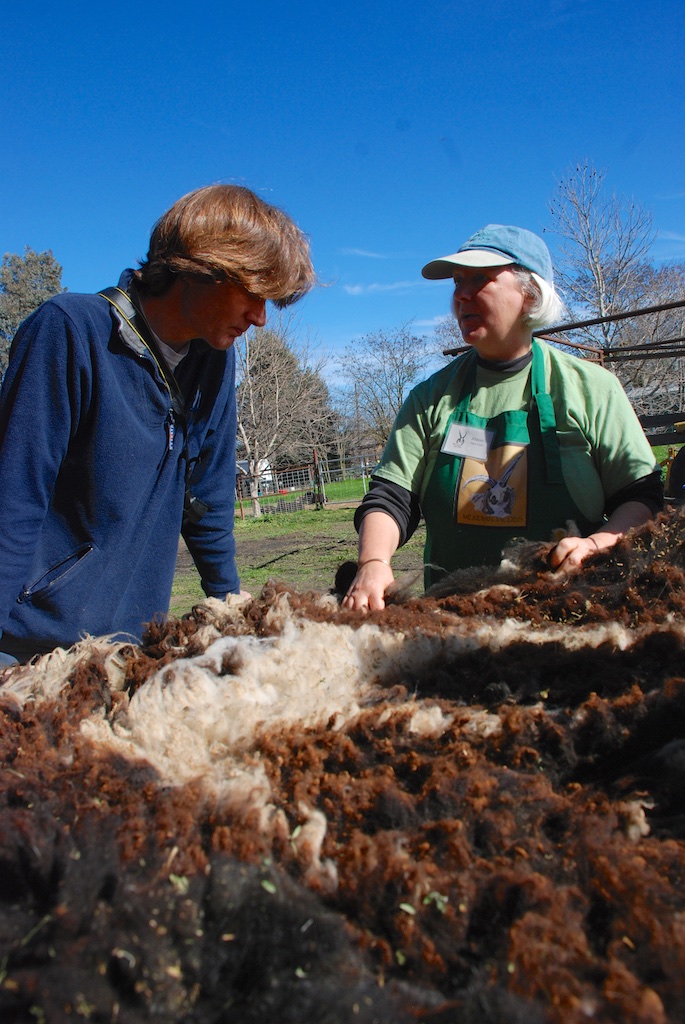
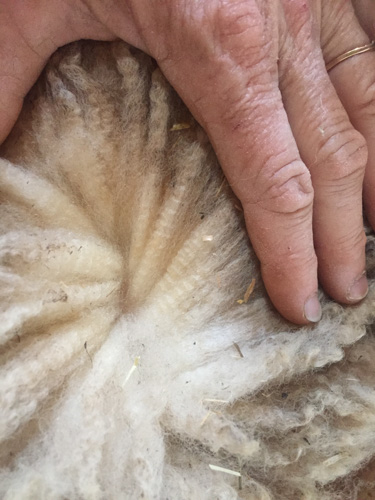
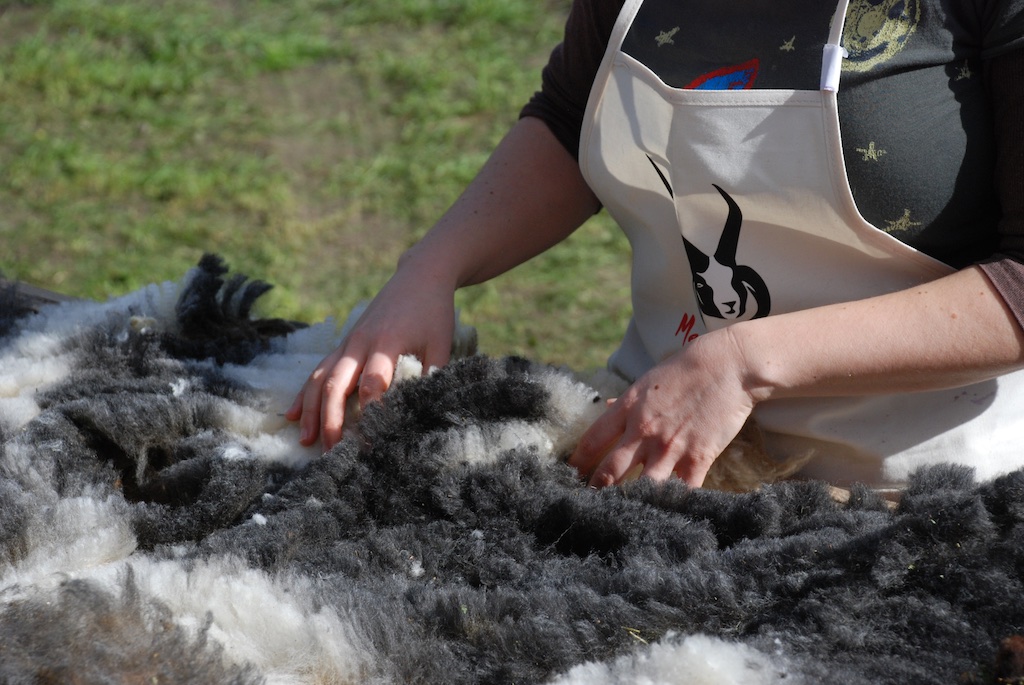 It was a great day to stand in the sun with your hands in freshly shorn wool.
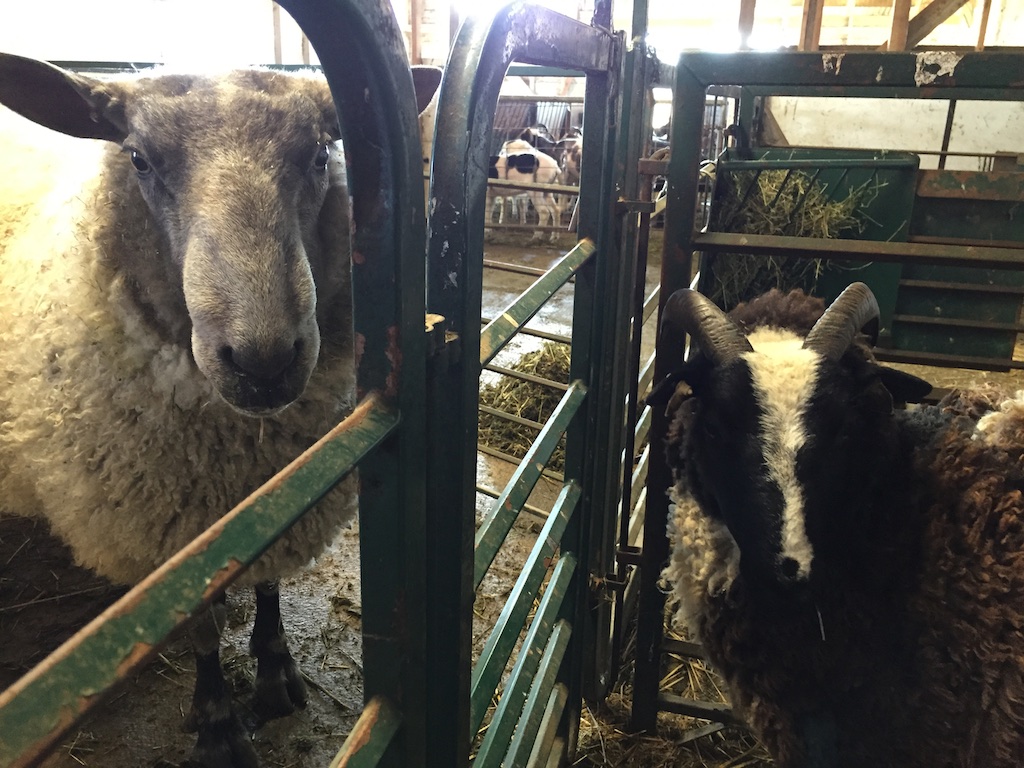 One more ewe to be shorn and then it was Faulkner's turn.
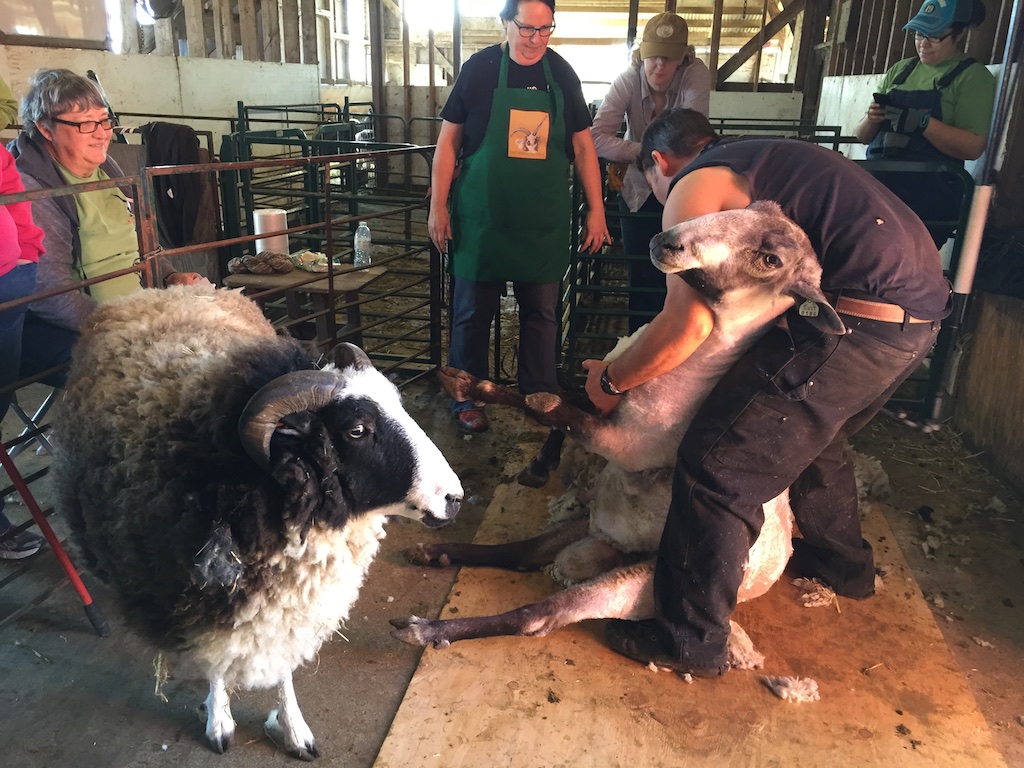 His buddy, Jerry looked on. Faulkner weighed in at 235 lbs (down about 30 pounds from what he sometimes weighs in the summer).
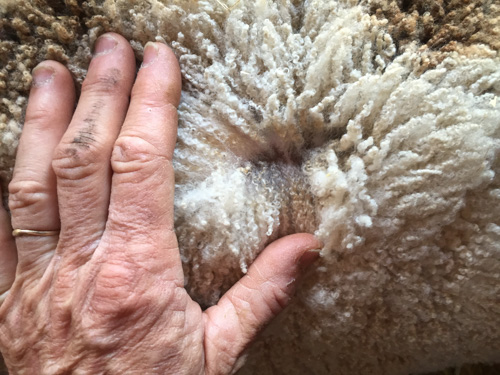
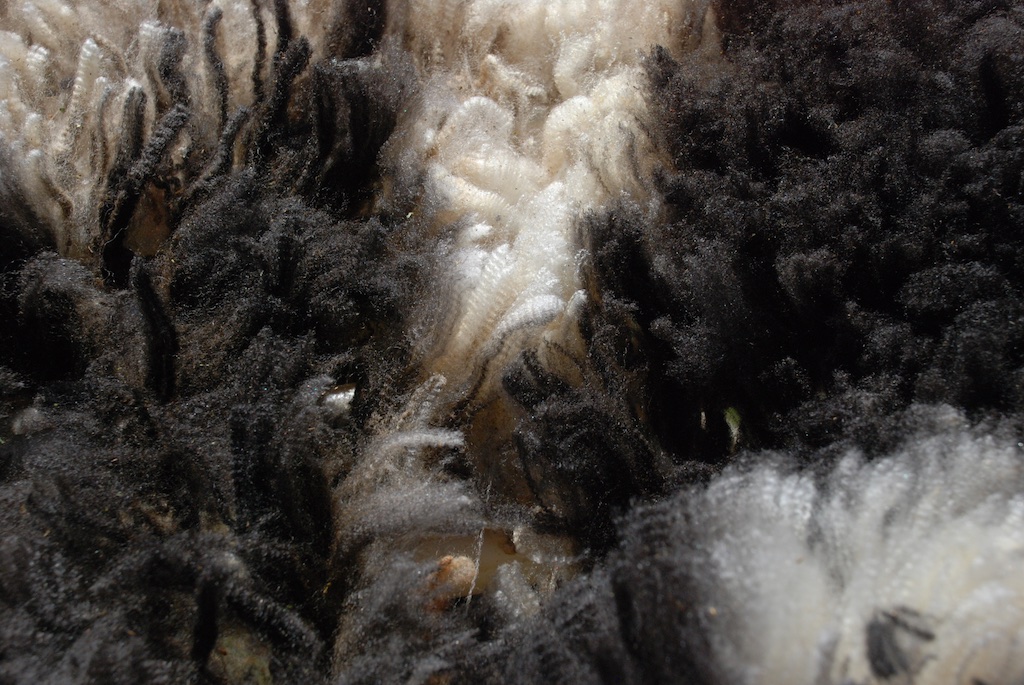 Fresh Jacob fleece.
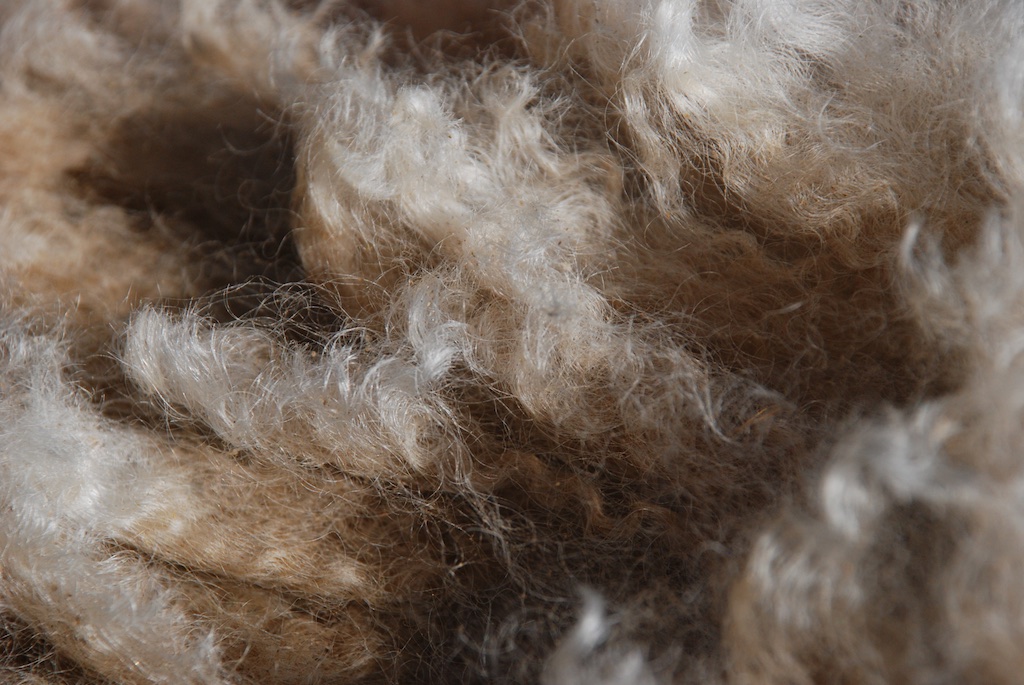 Faulkner's fleece.
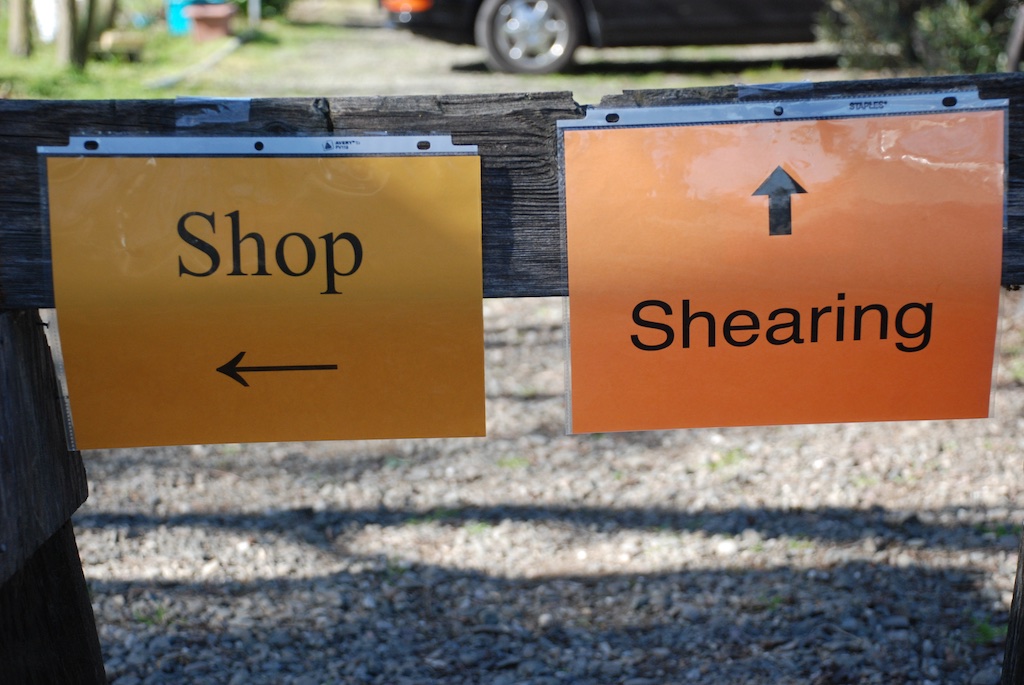 While the shearing and wool sorting was going on, friends were helping buyers in the shop.
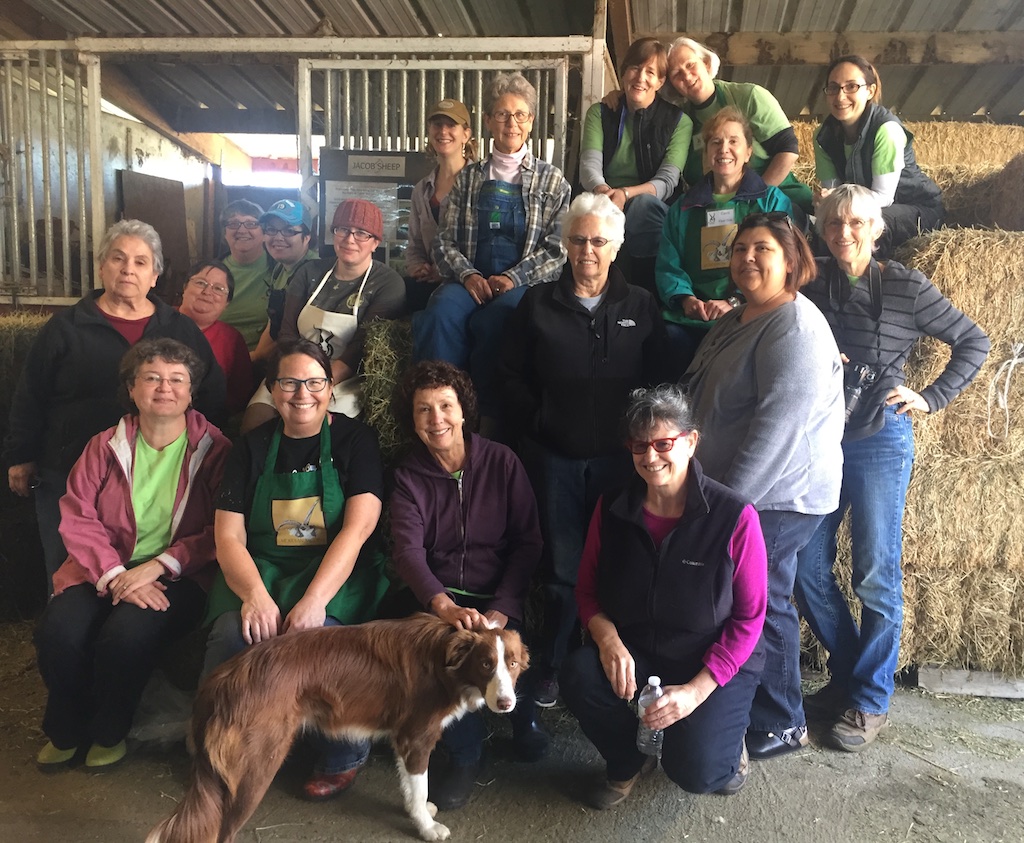 Later we got everyone (almost) to the barn for a group photo. That's a lot of enthusiastic friends!
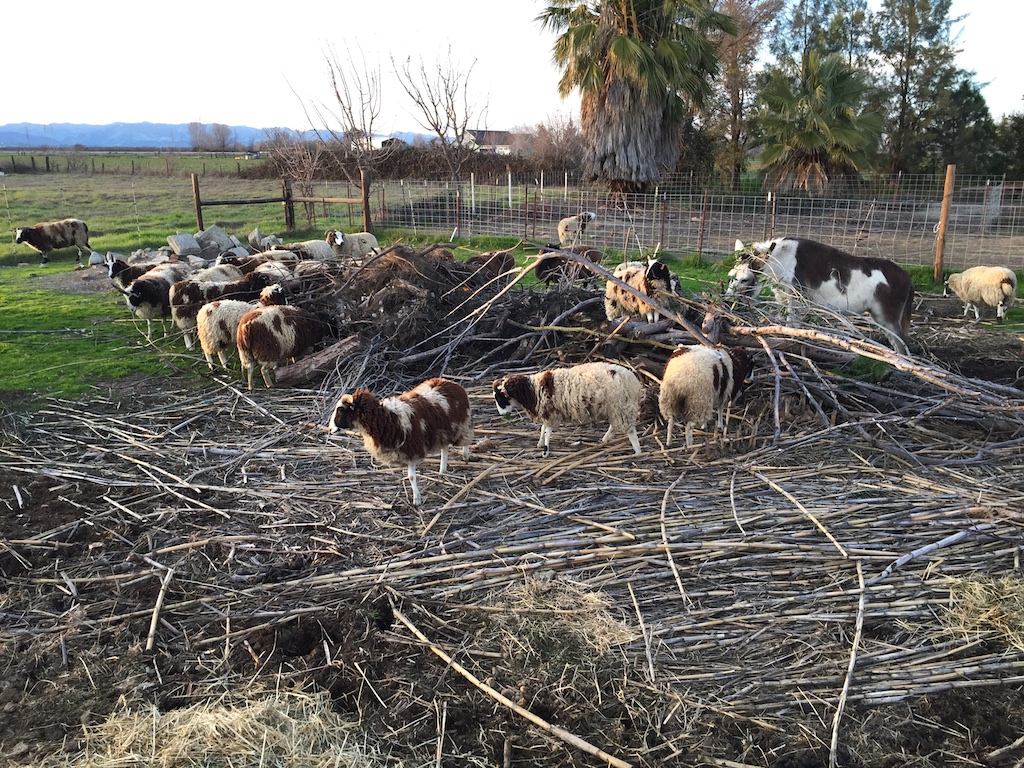 The day before we were cleaning up the area around the barn and pushed the brush pile into the corral area where it's safer to burn. The sheep thought that there might be something worth eating...
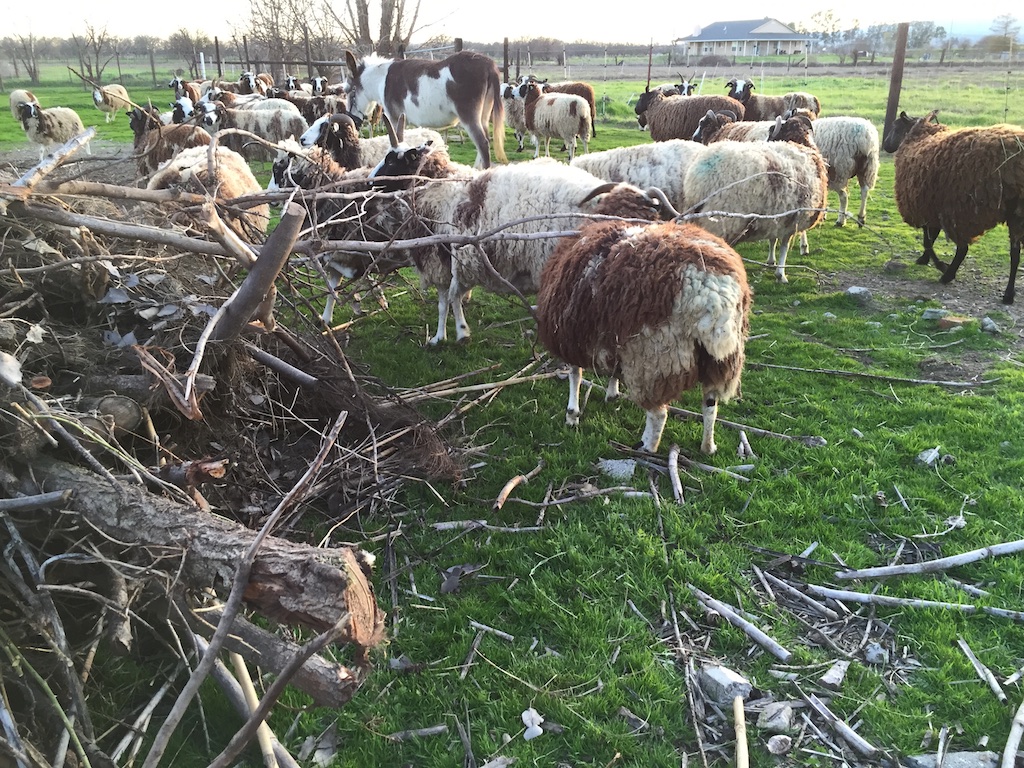 ...or scratching on. I didn't want them ruining a whole year of wool growth the night before being shorn so it was time to move them to the barn.
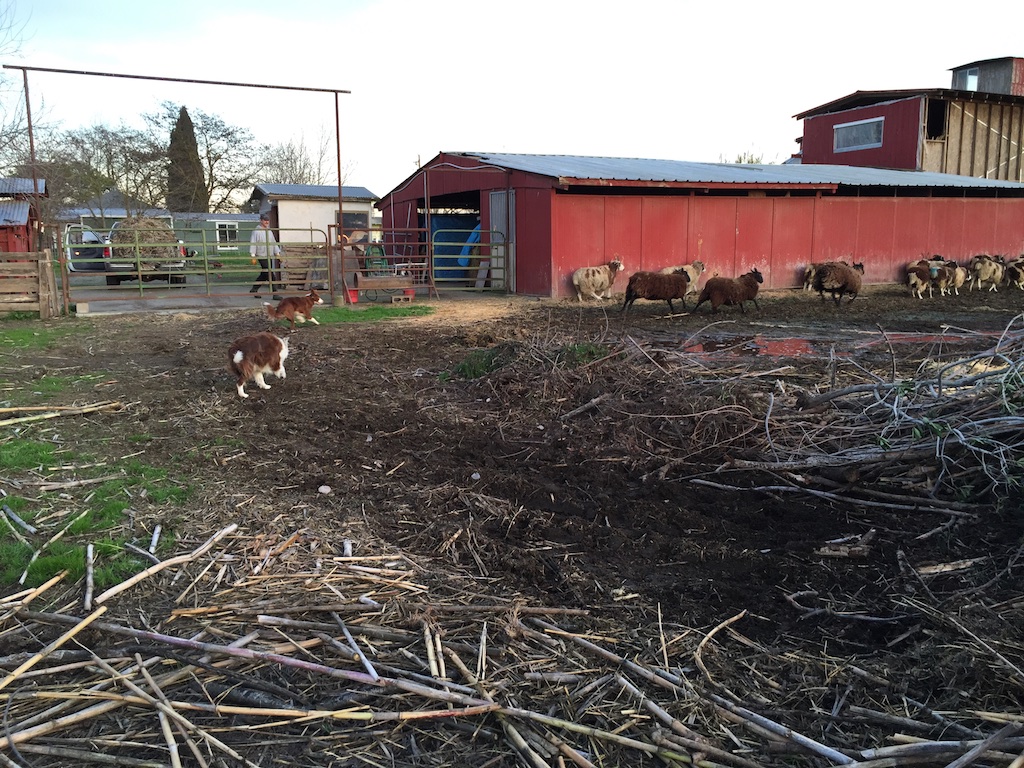 I called the dogs in and Ginny got to help with the big group.
Sunday:
I called the dogs in and Ginny got to help with the big group.
Sunday: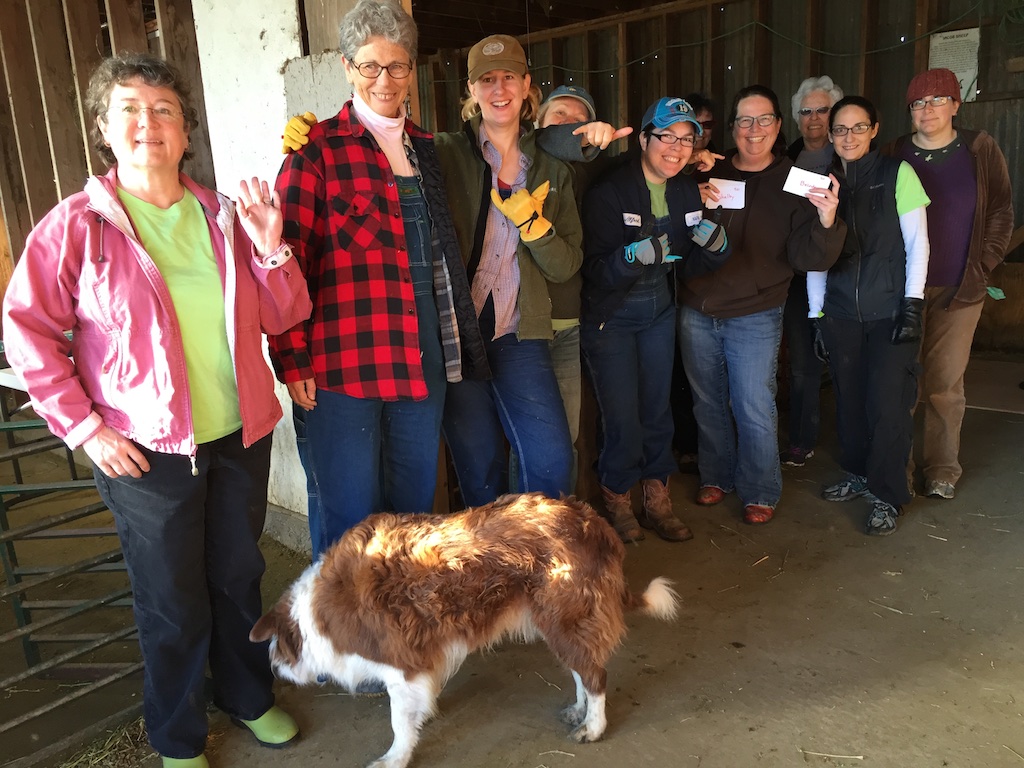 Farm Club members are ready for action.
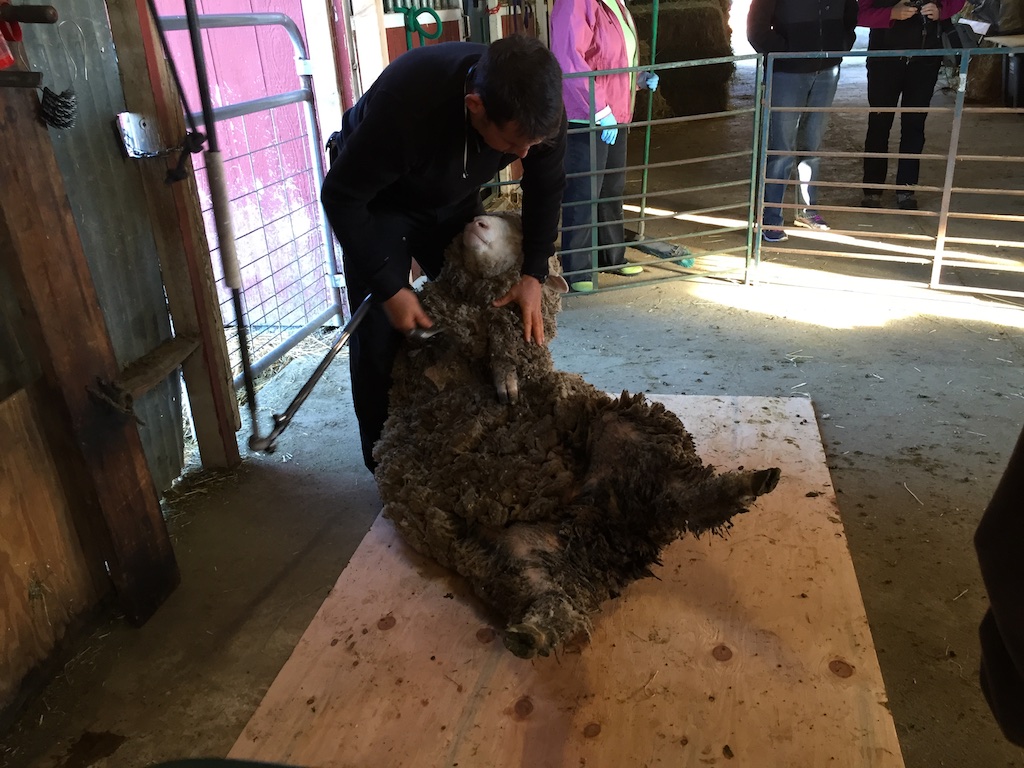 First sheep.
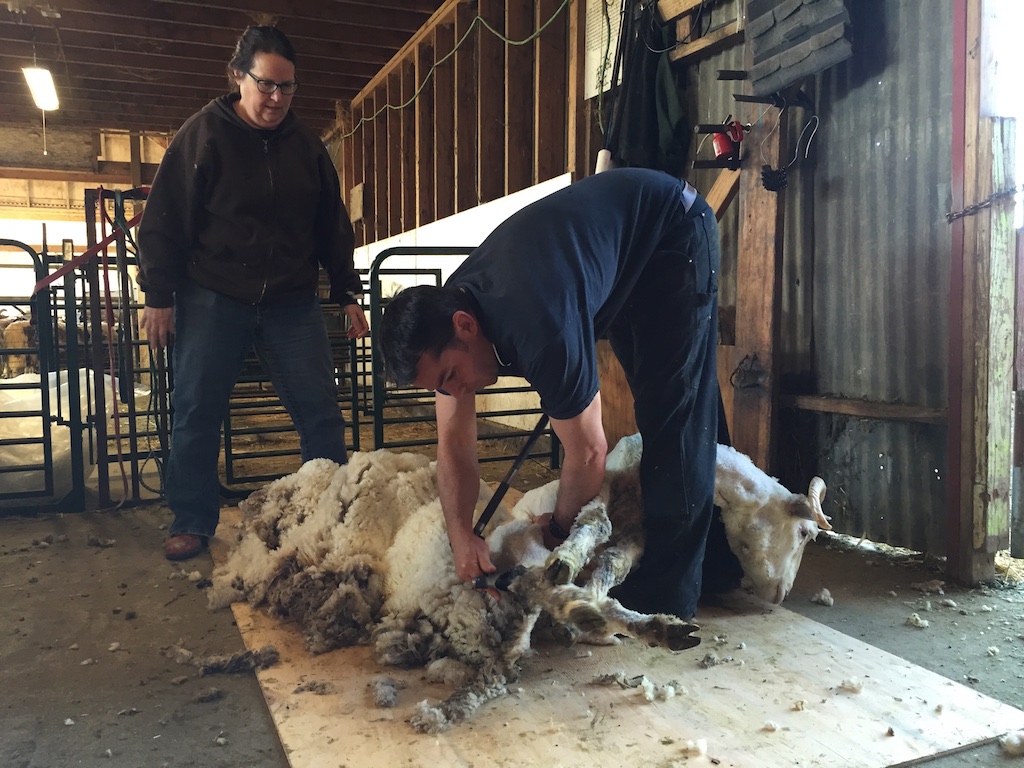 Mary is ready to grab and bag the fleece.
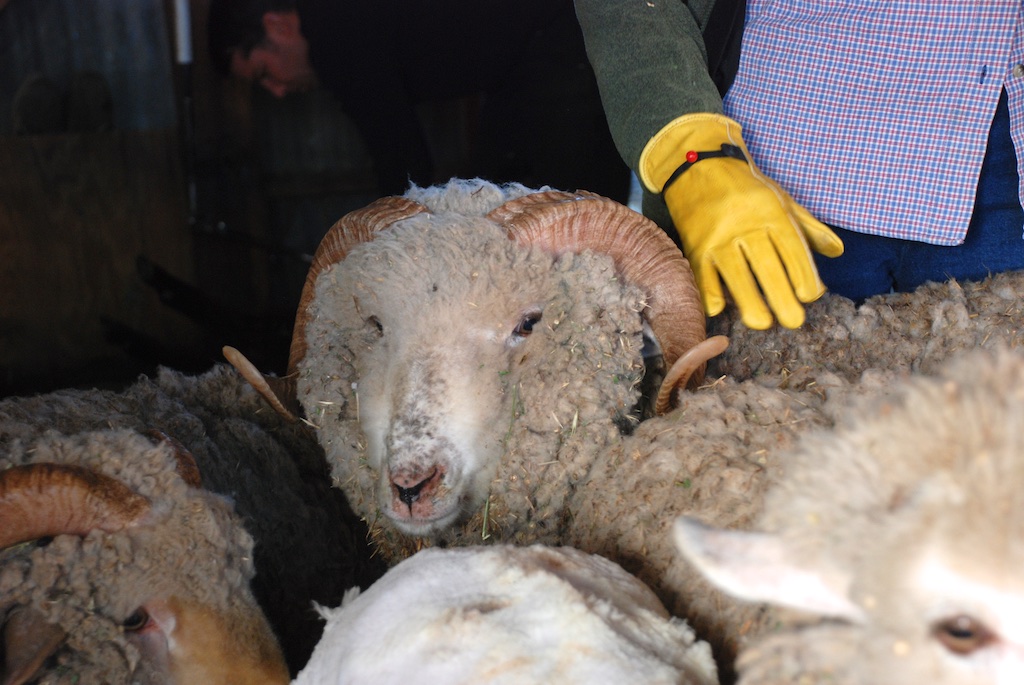 Wait a minute. These sheep don't look right.
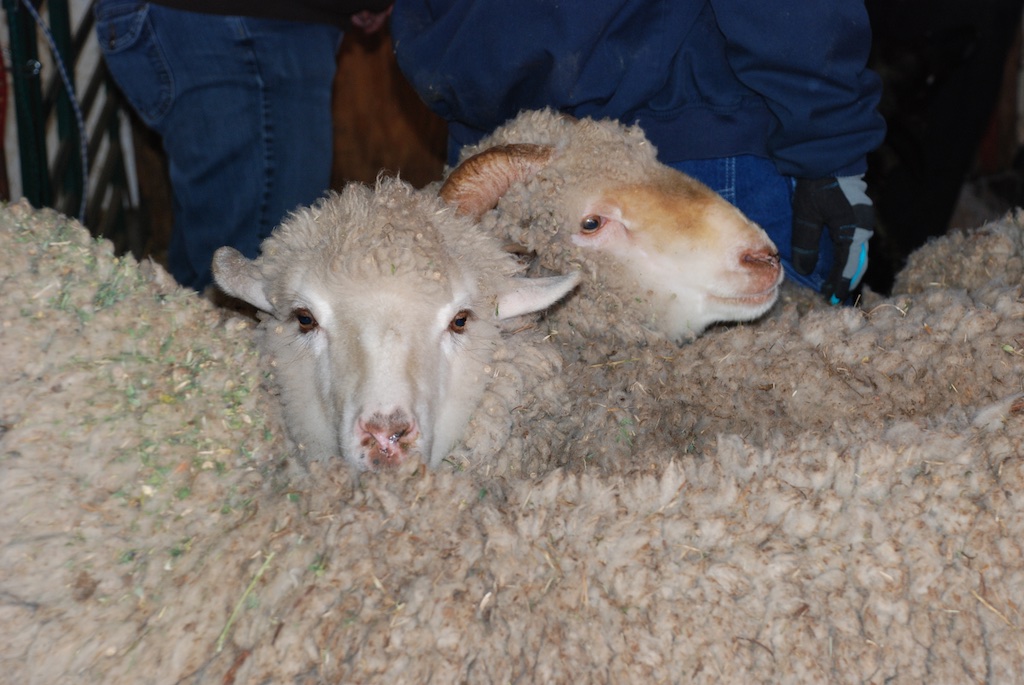 Cute, but not the right sheep.
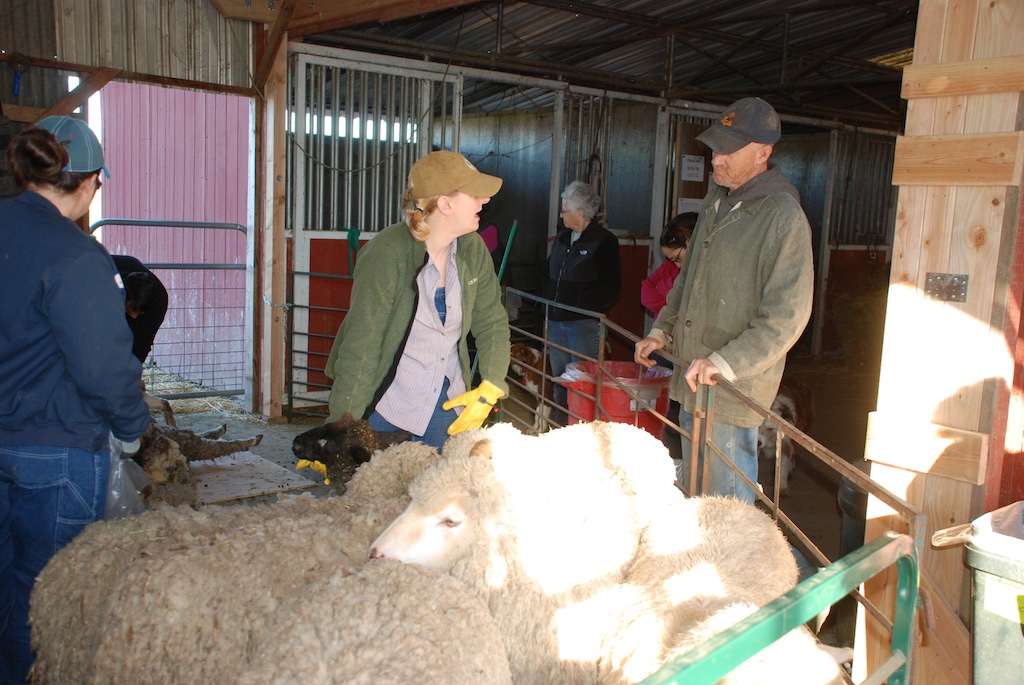 We started the day with 10 sheep from another farm. We told John (shearer) that was his warm-up.
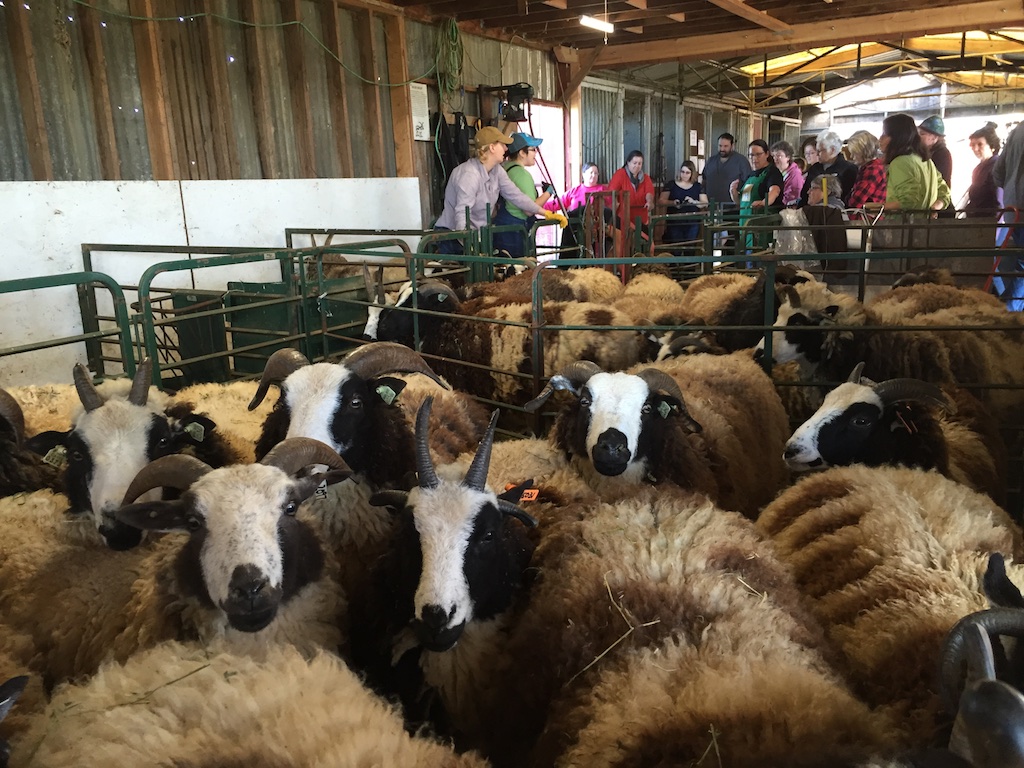 We got underway with the Jacobs. Farm Club members did all the work. Visitors watched. and I changed gates and moved sheep while playing with my camera.
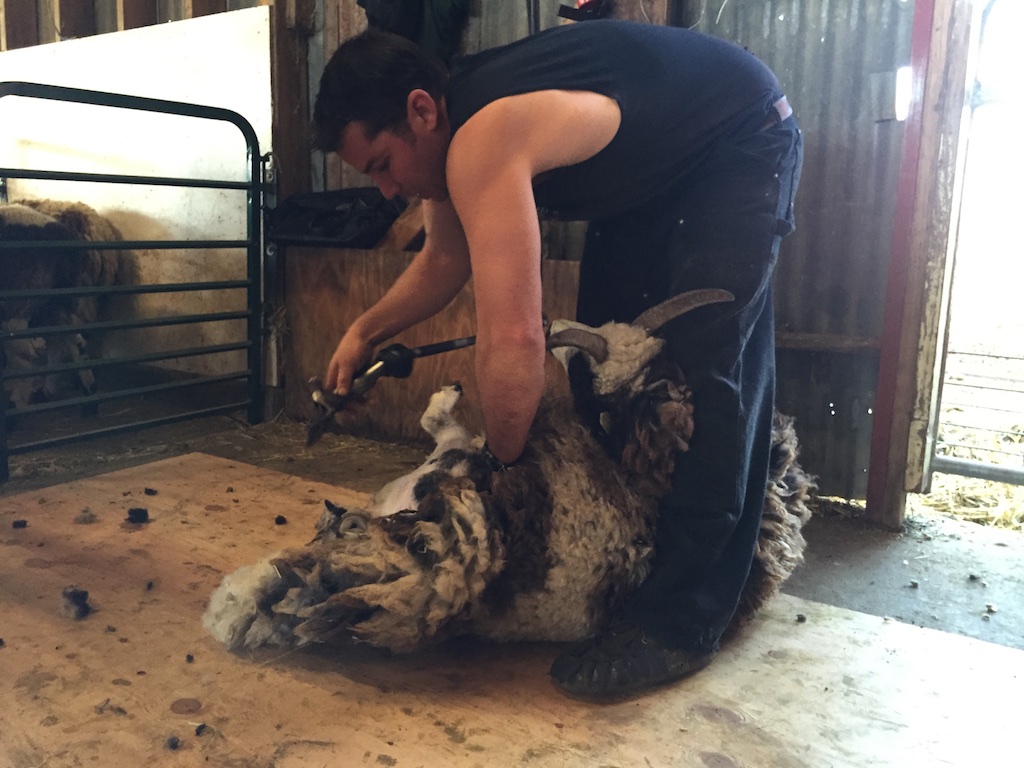 Here John is shearing Dazzle...
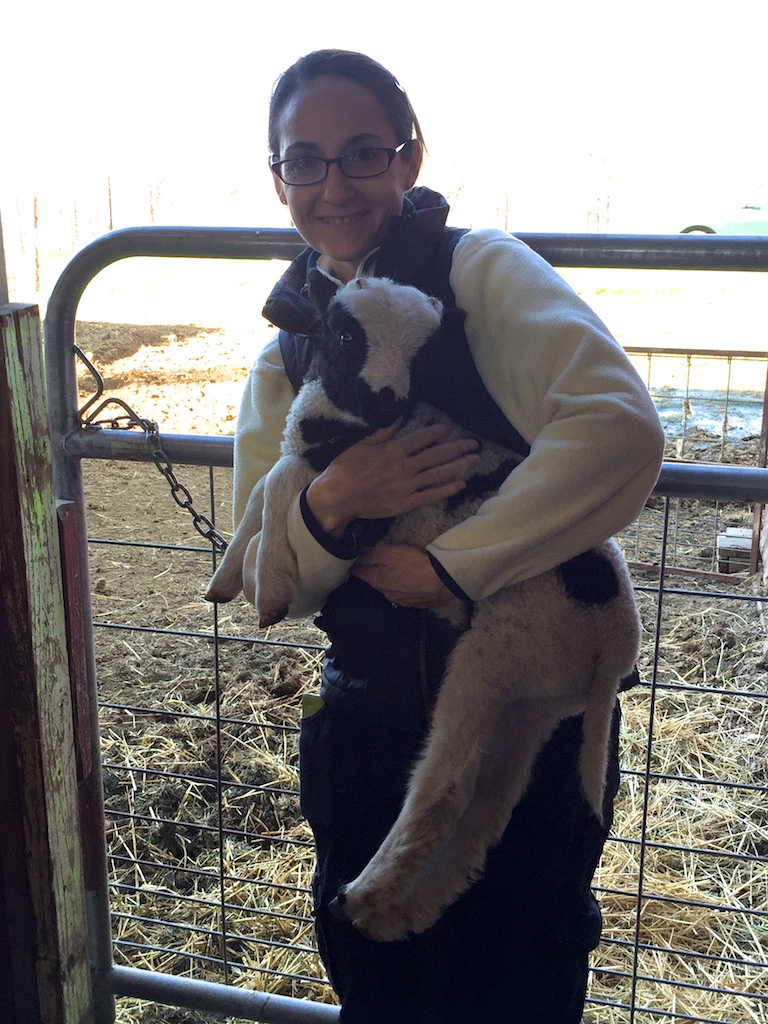 ...while Amy holds her lamb.
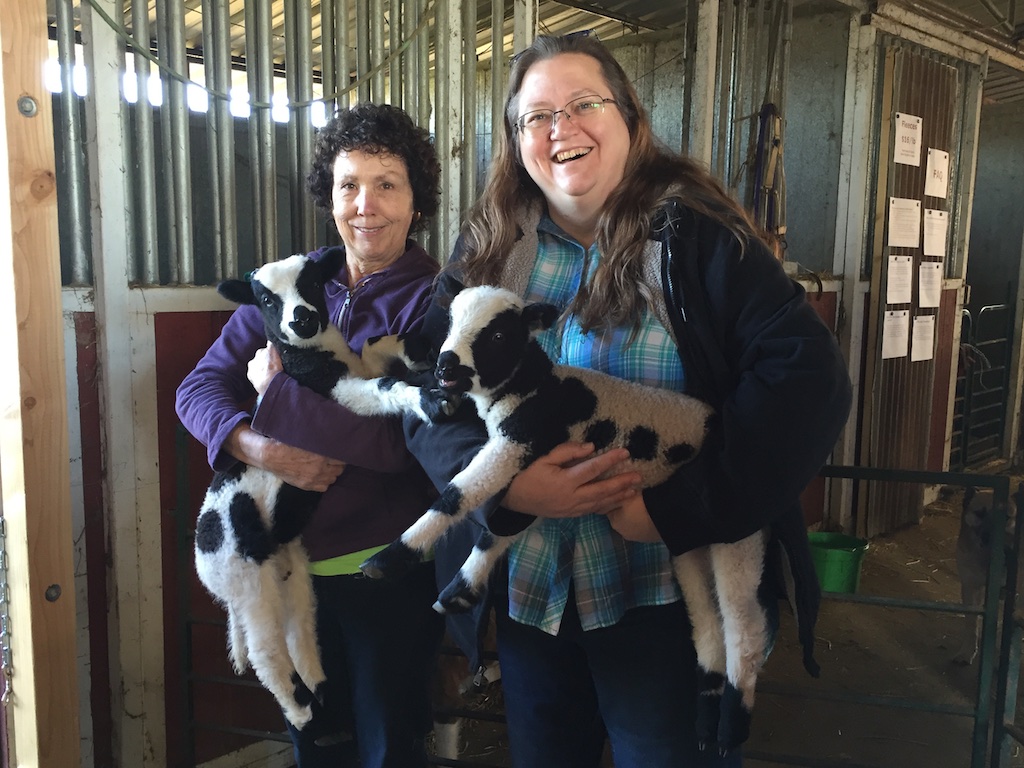 I think this is my favorite photo of the day. Peggy and Caroline babysit twins while their mom is being shorn.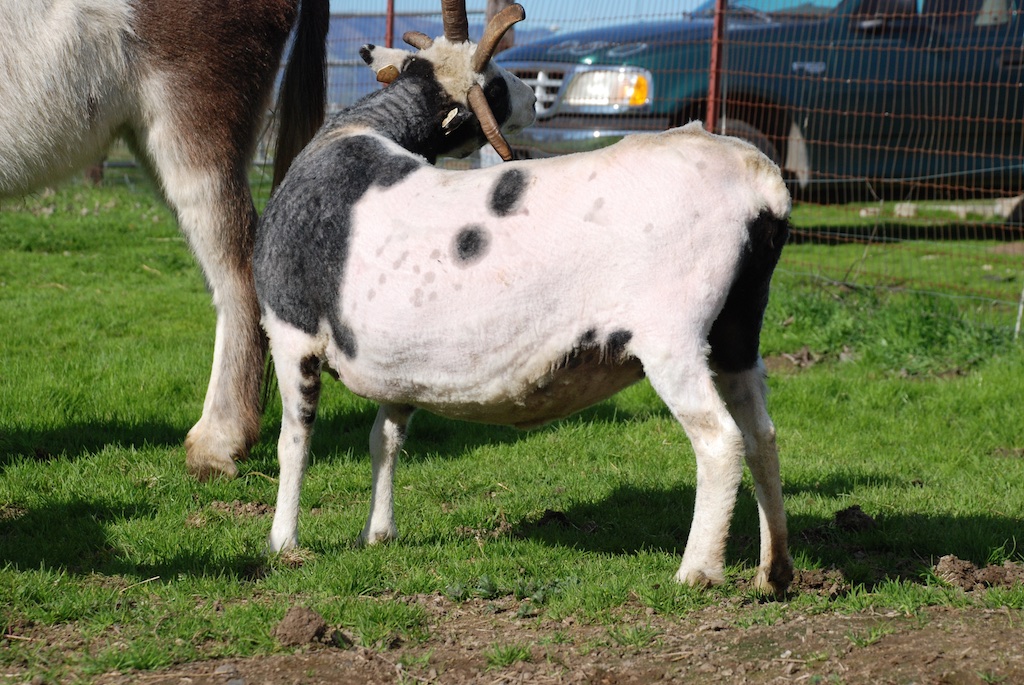
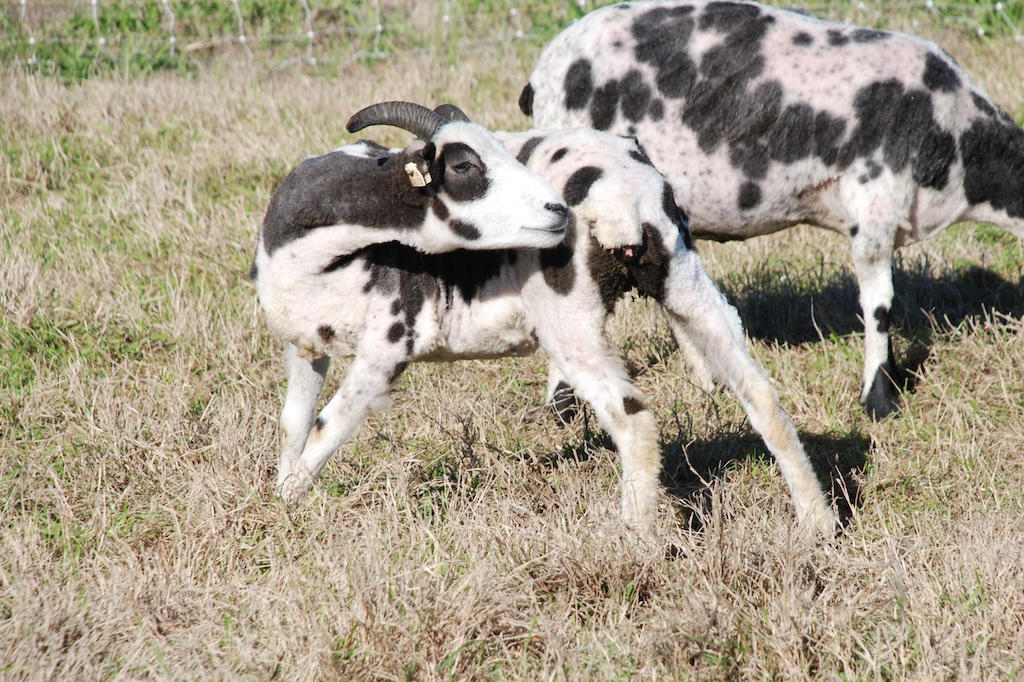
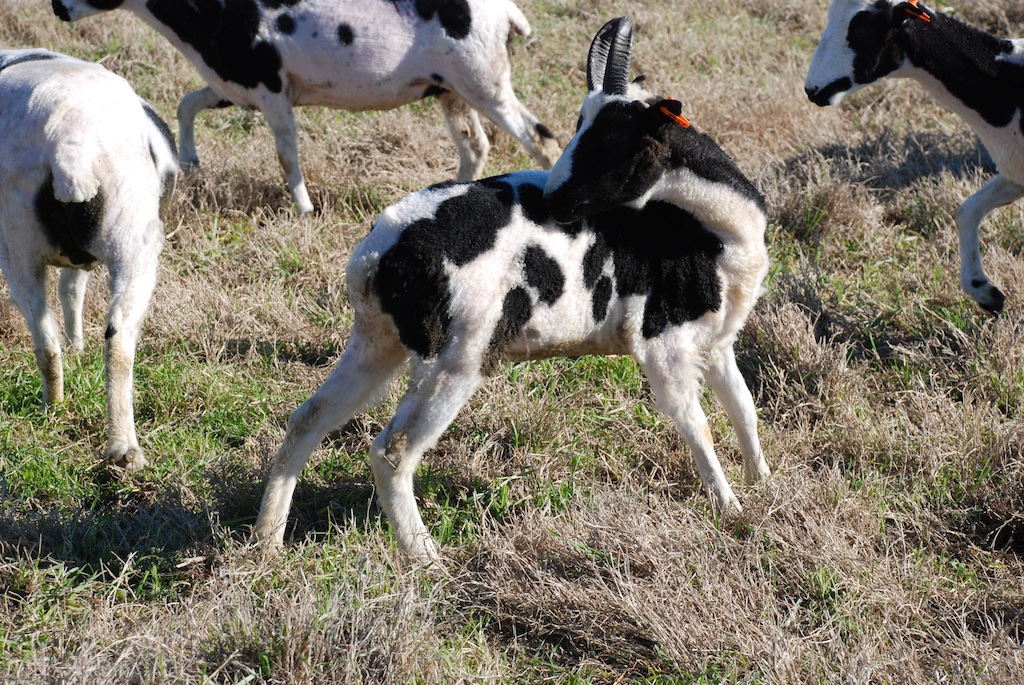
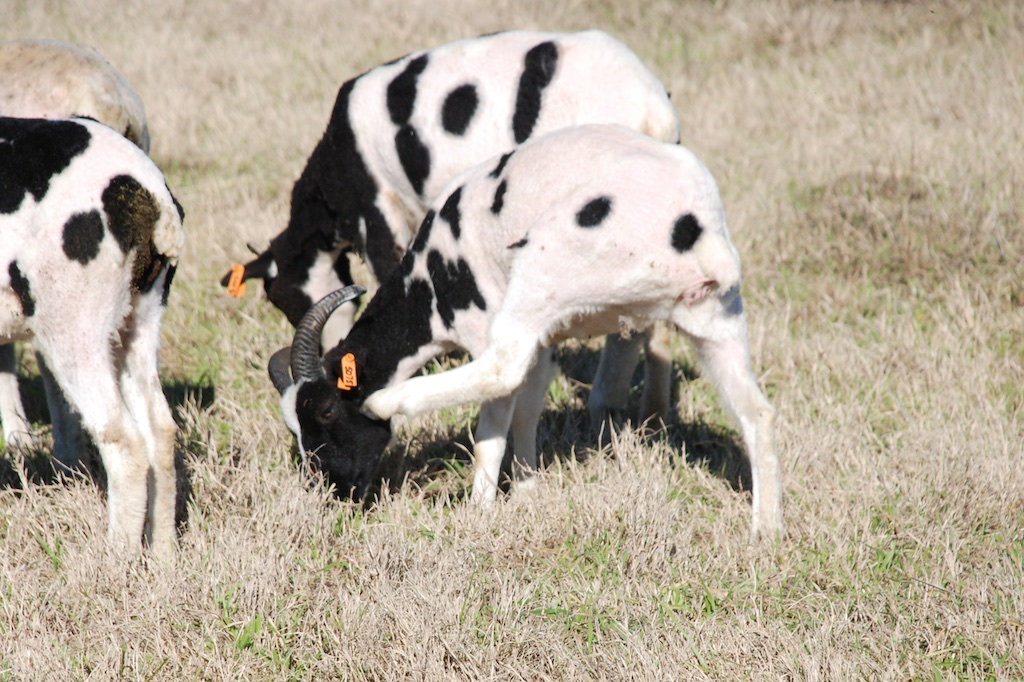
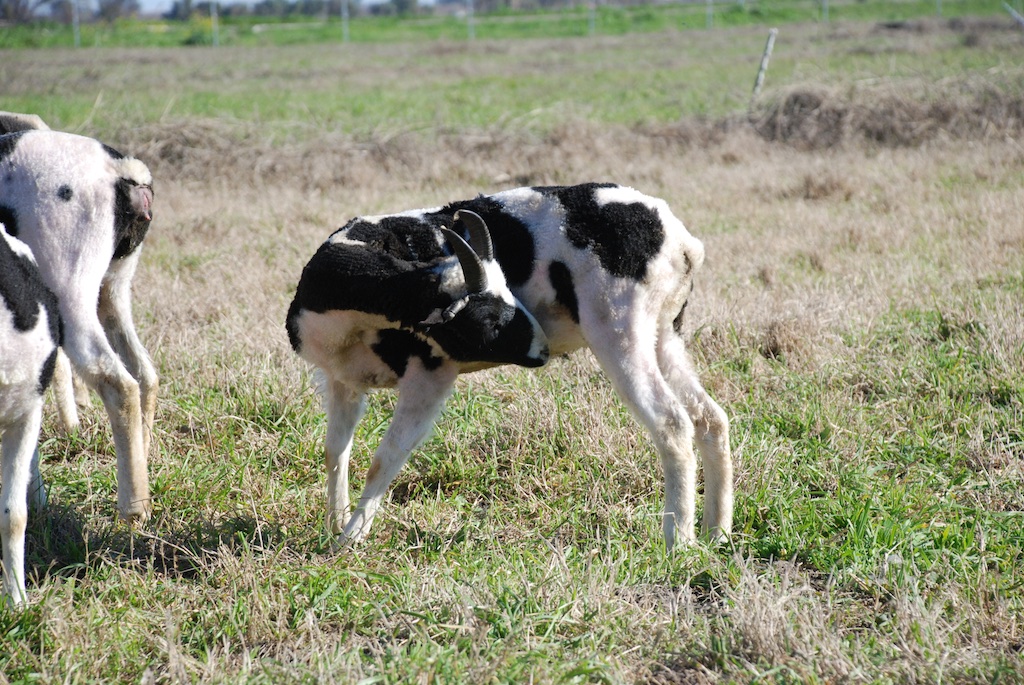
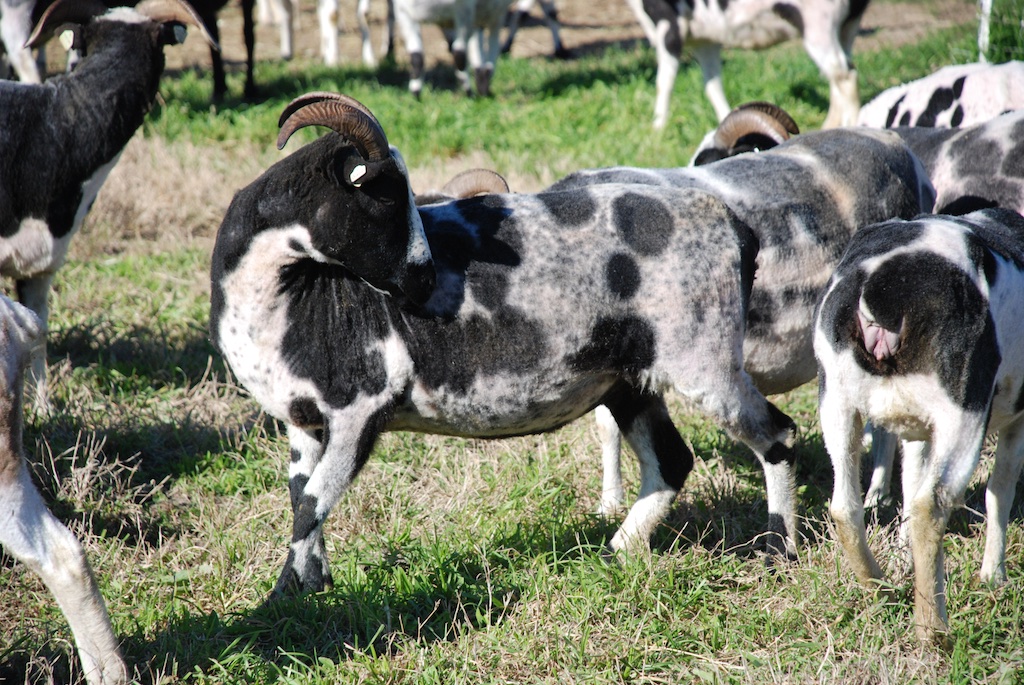
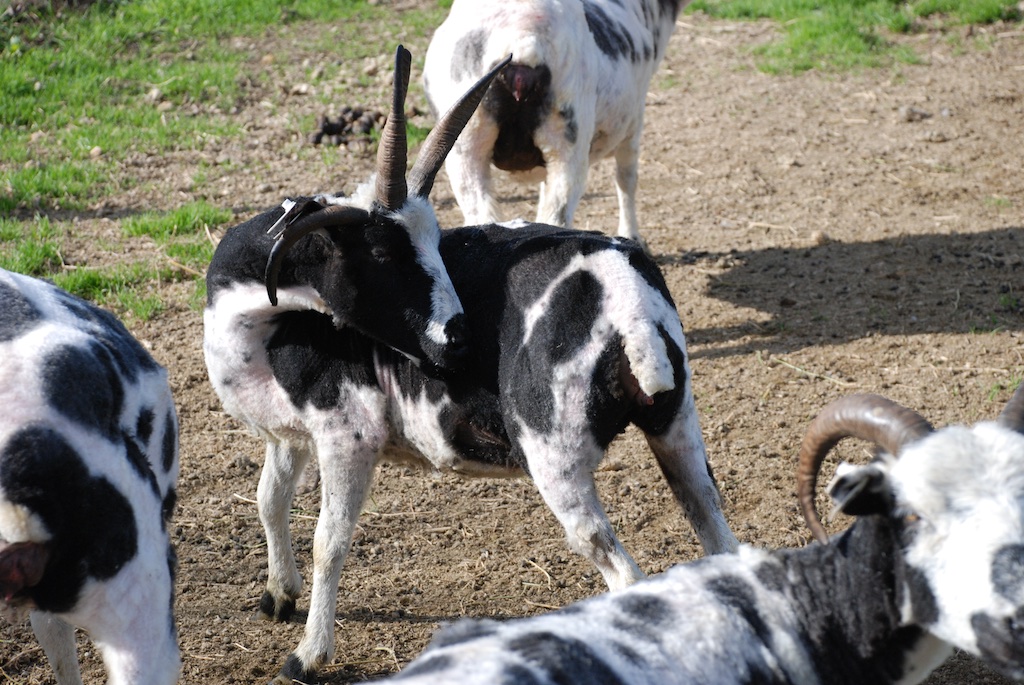
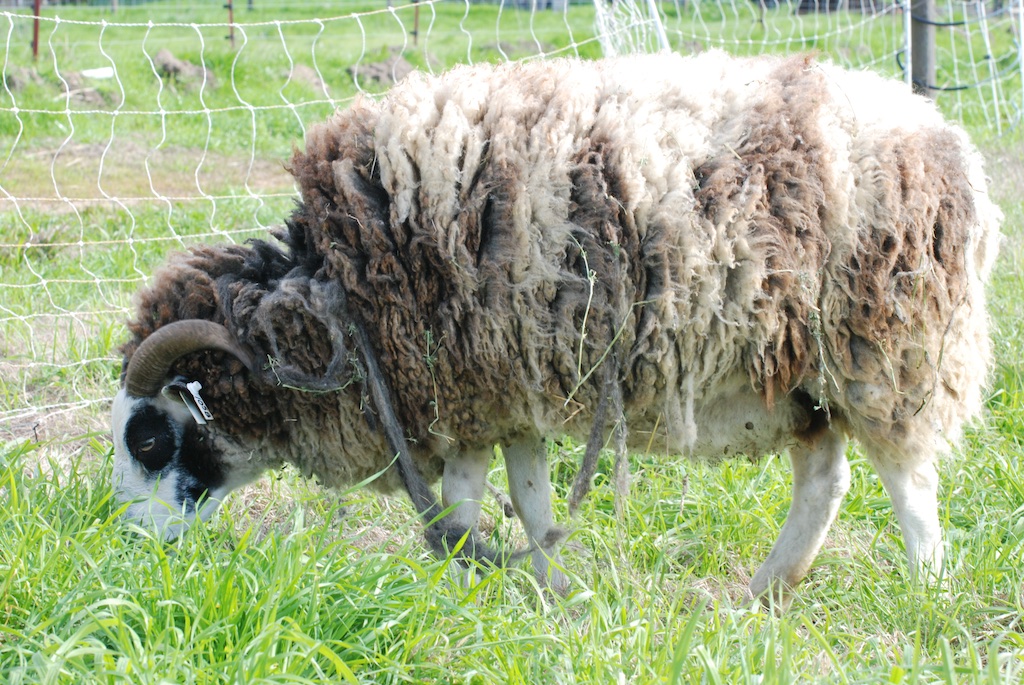 Mable.
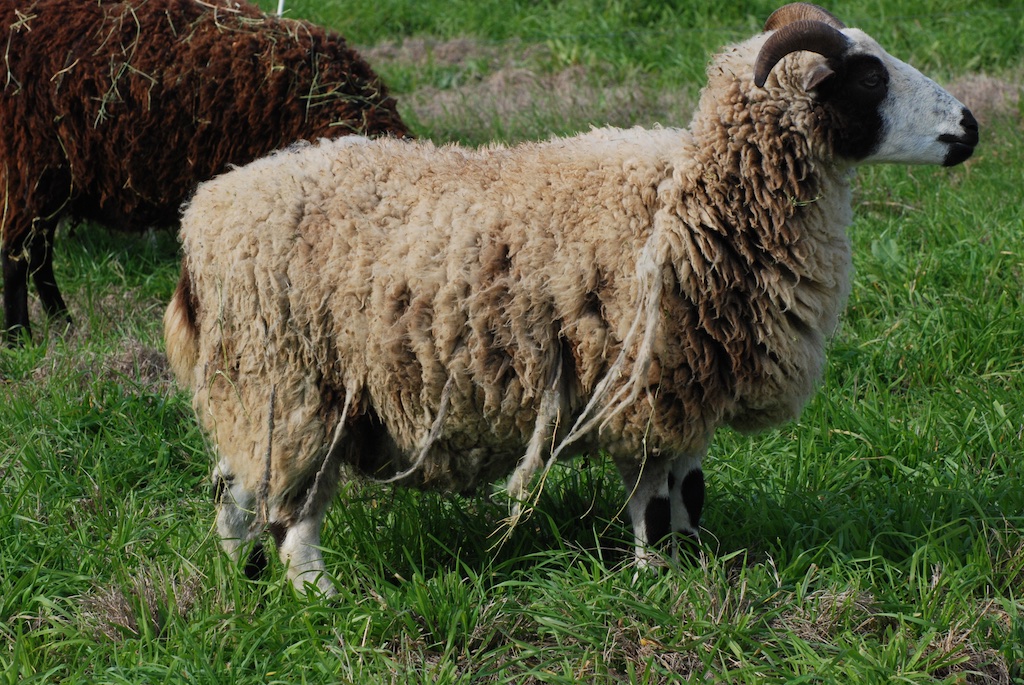 Ginseng.
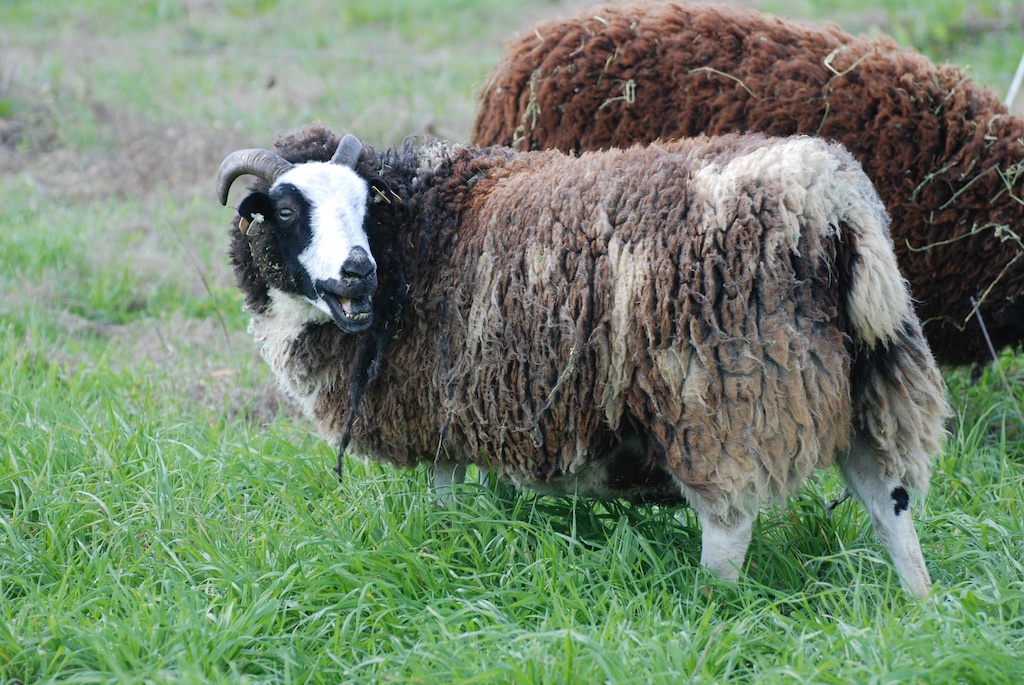 Shelby.
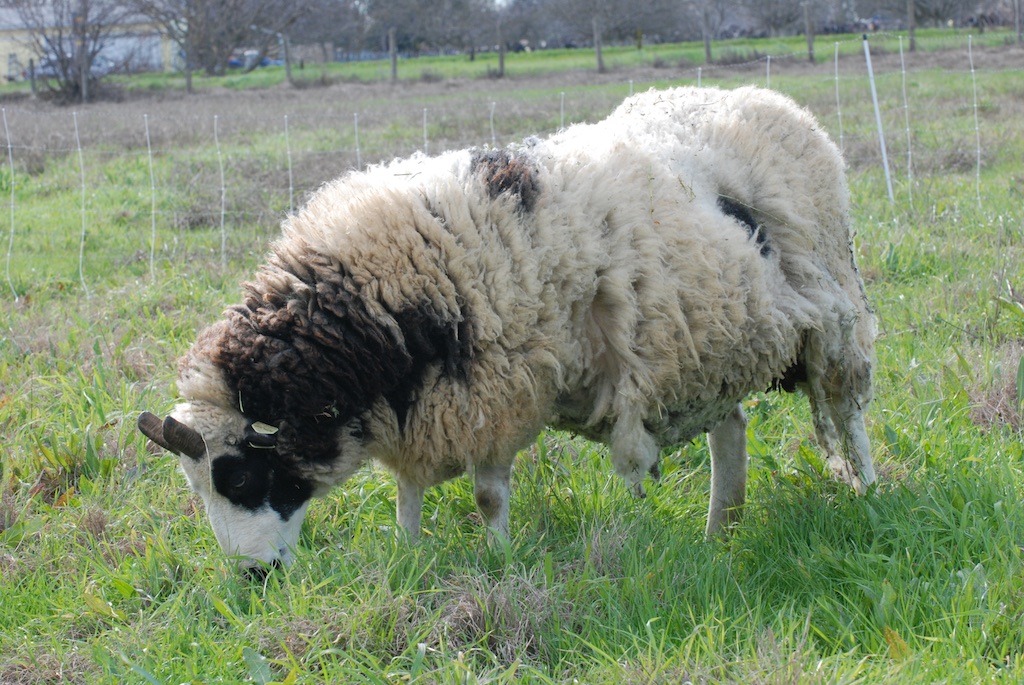 Jazz.
Jazz.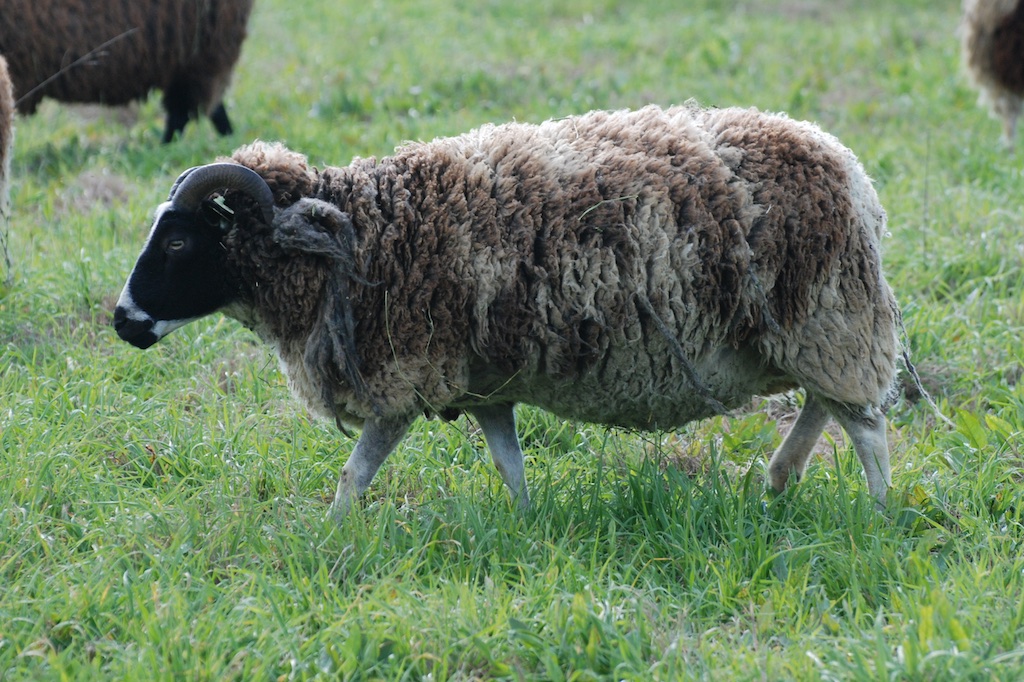 Noel.
Noel.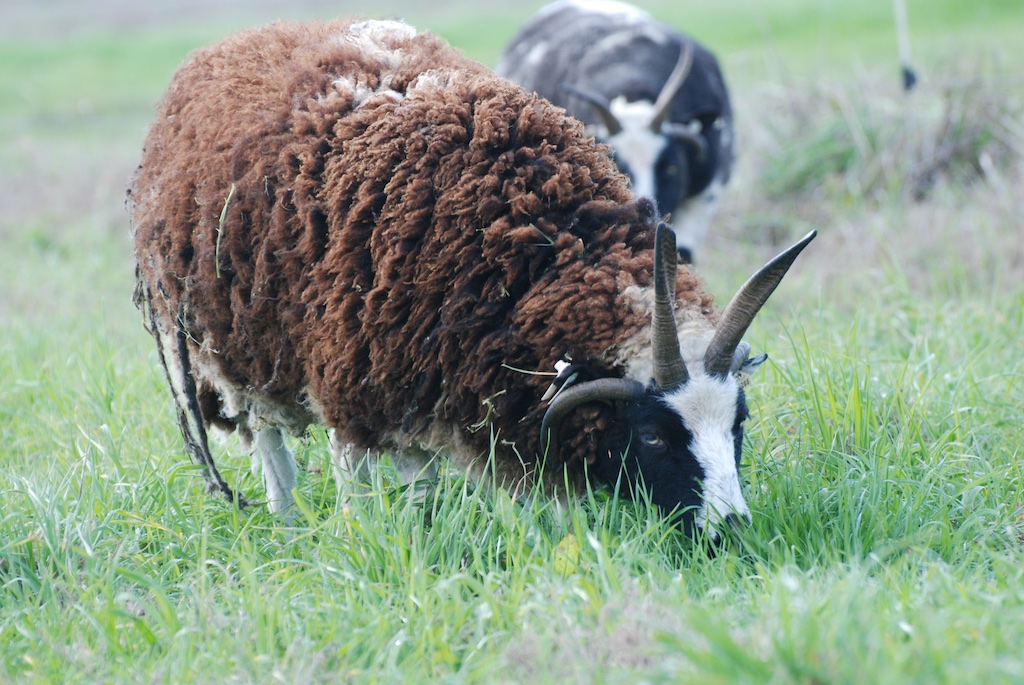 Petra.
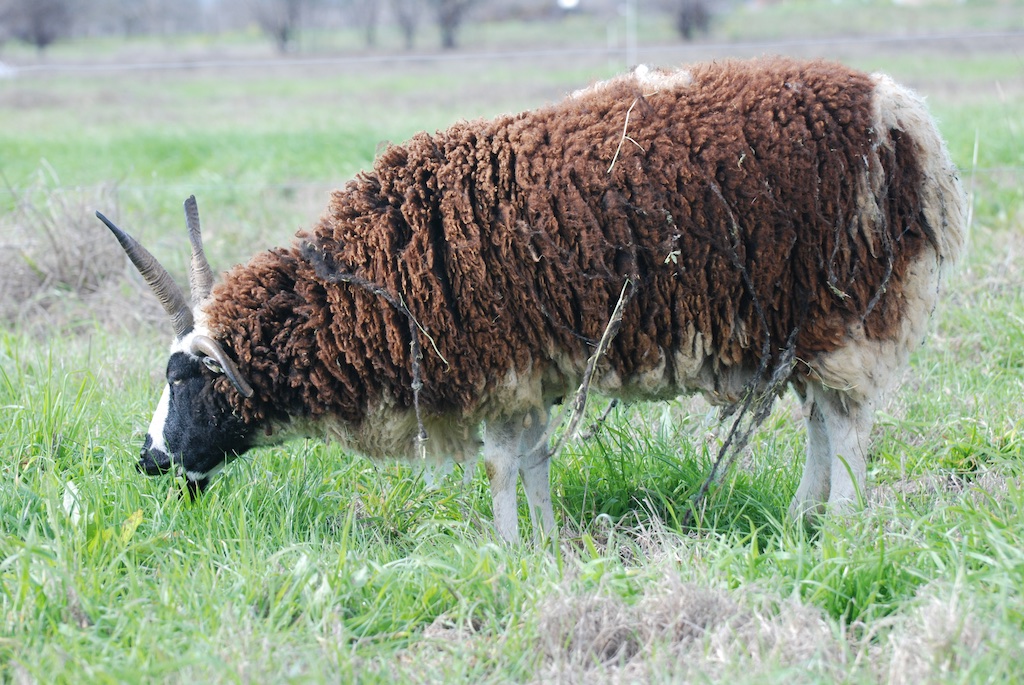 Petra again.
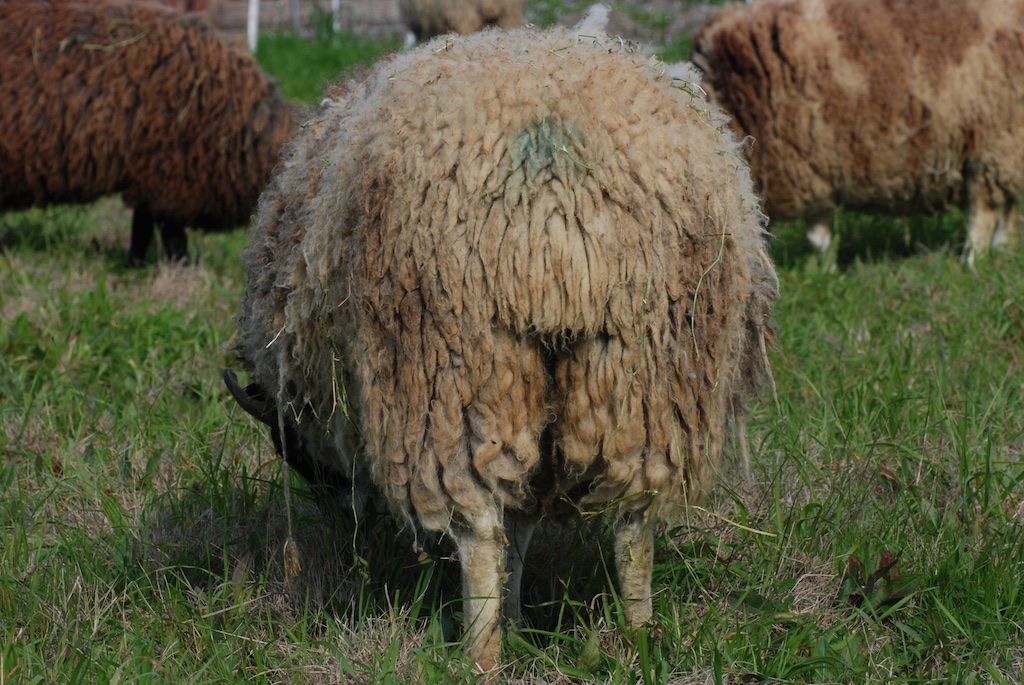 I'm not sure who this is but she's certainly round.
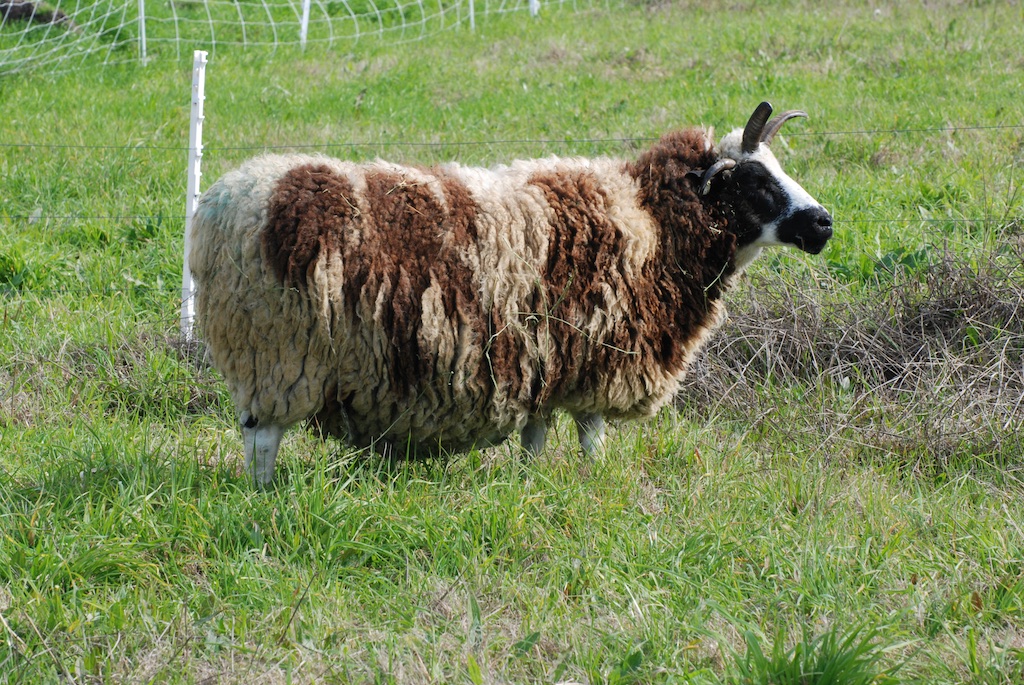 Speaking of big and round, this is Spring. Last year she was so big that we had a couple of wagers on lambing--when and how many?
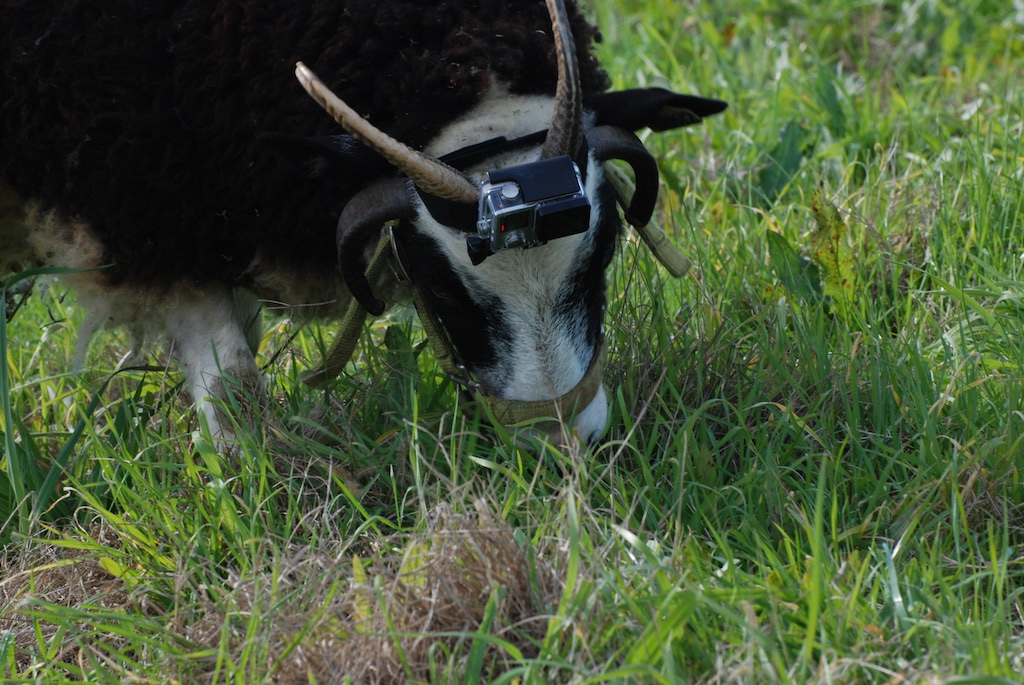 Isabelle sporting her tech head-gear. The video will be coming soon.
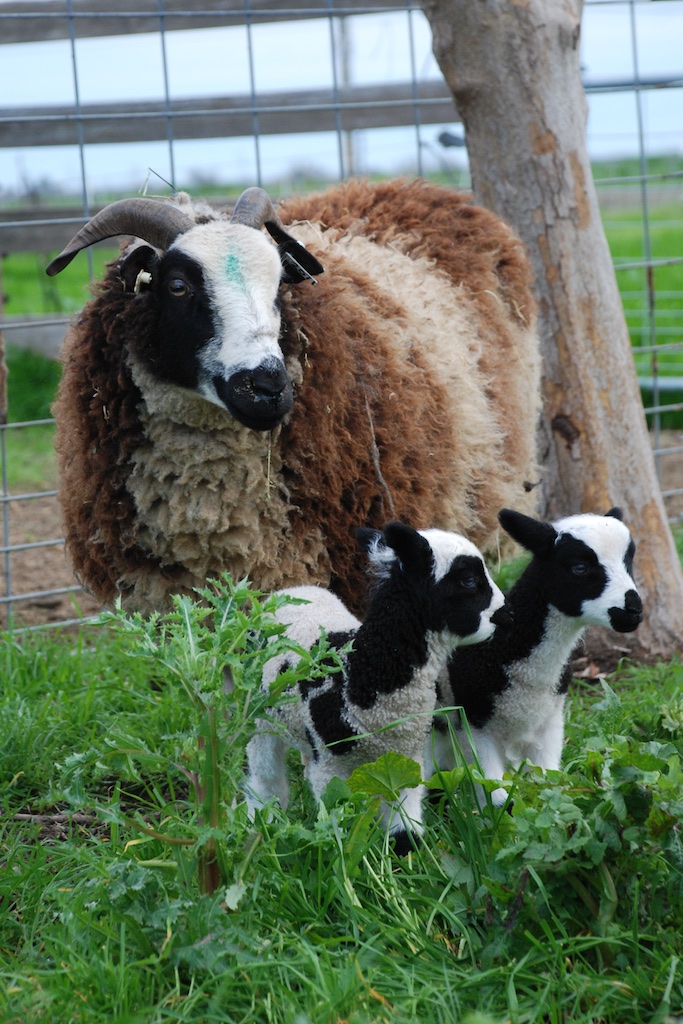 This is Delight with her twins.
 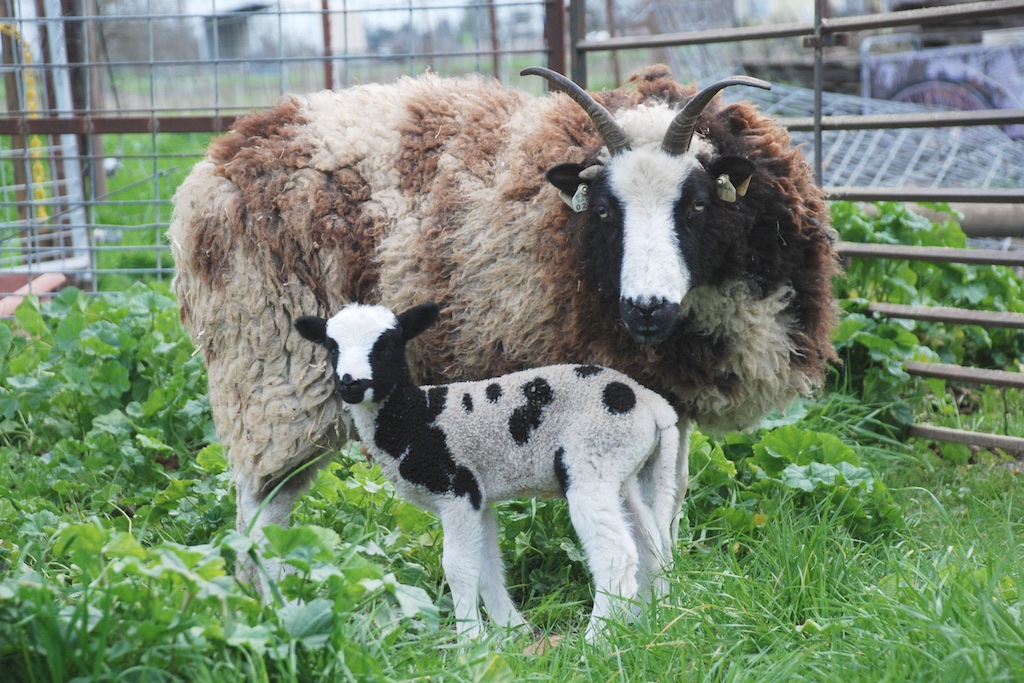 This is Dazzle with her single lamb. One of the problems I have photographing Jacob sheep is the fact that they have black markings around their eyes. I find that it is hard to expose the photo properly and also be able to see the faces. I edited this lower photo to where I could see the lamb's eyes, although they aren't showing up here very well and the photo looks washed out compared to the top one.
Here is another example.
This is Dazzle with her single lamb. One of the problems I have photographing Jacob sheep is the fact that they have black markings around their eyes. I find that it is hard to expose the photo properly and also be able to see the faces. I edited this lower photo to where I could see the lamb's eyes, although they aren't showing up here very well and the photo looks washed out compared to the top one.
Here is another example.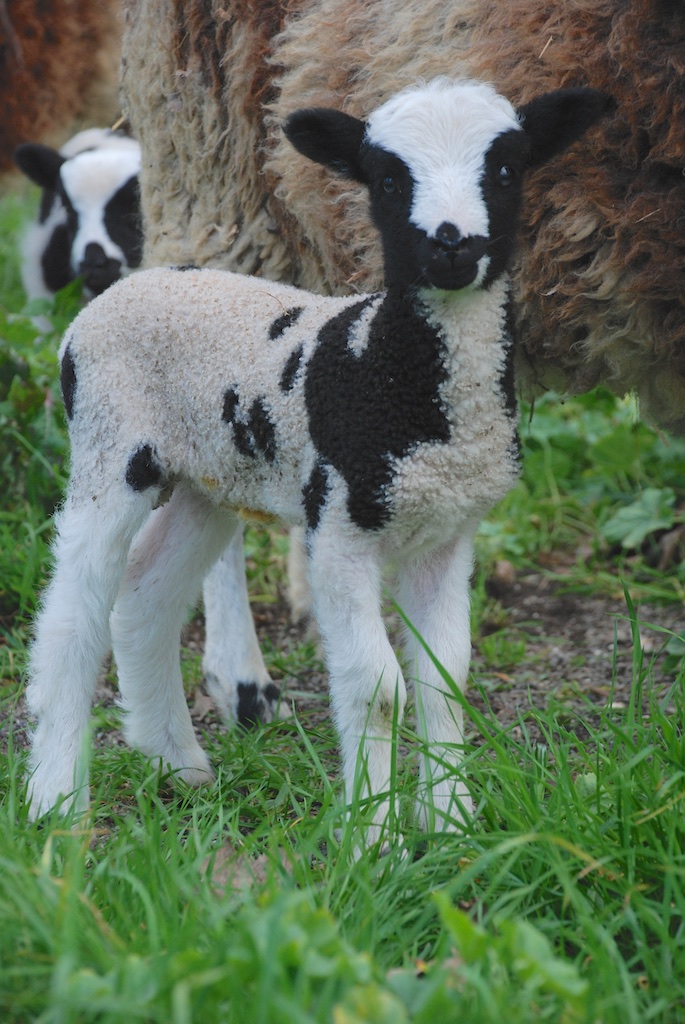
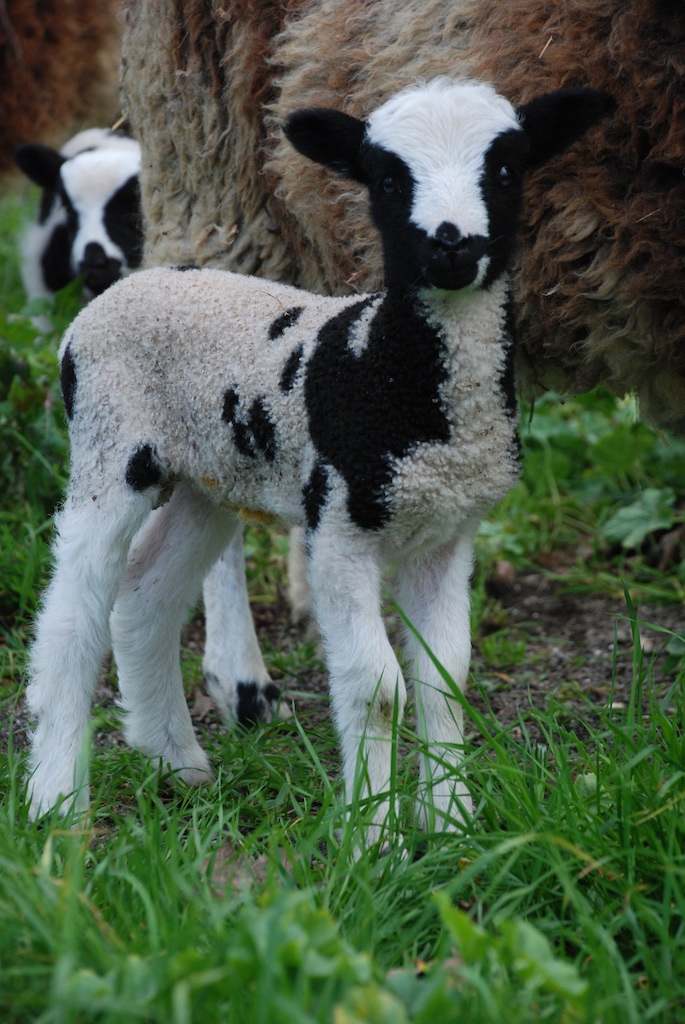
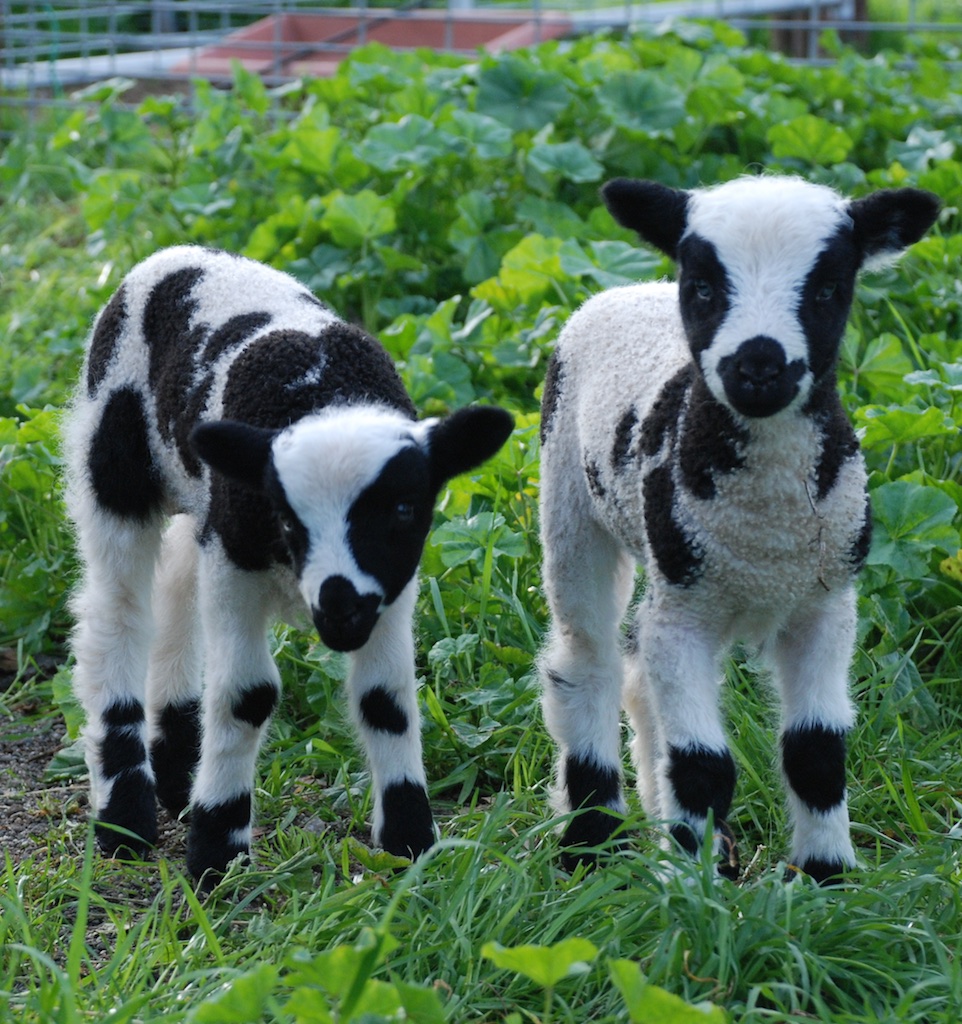 Here is another pair of photos. Which is better? Top or bottom?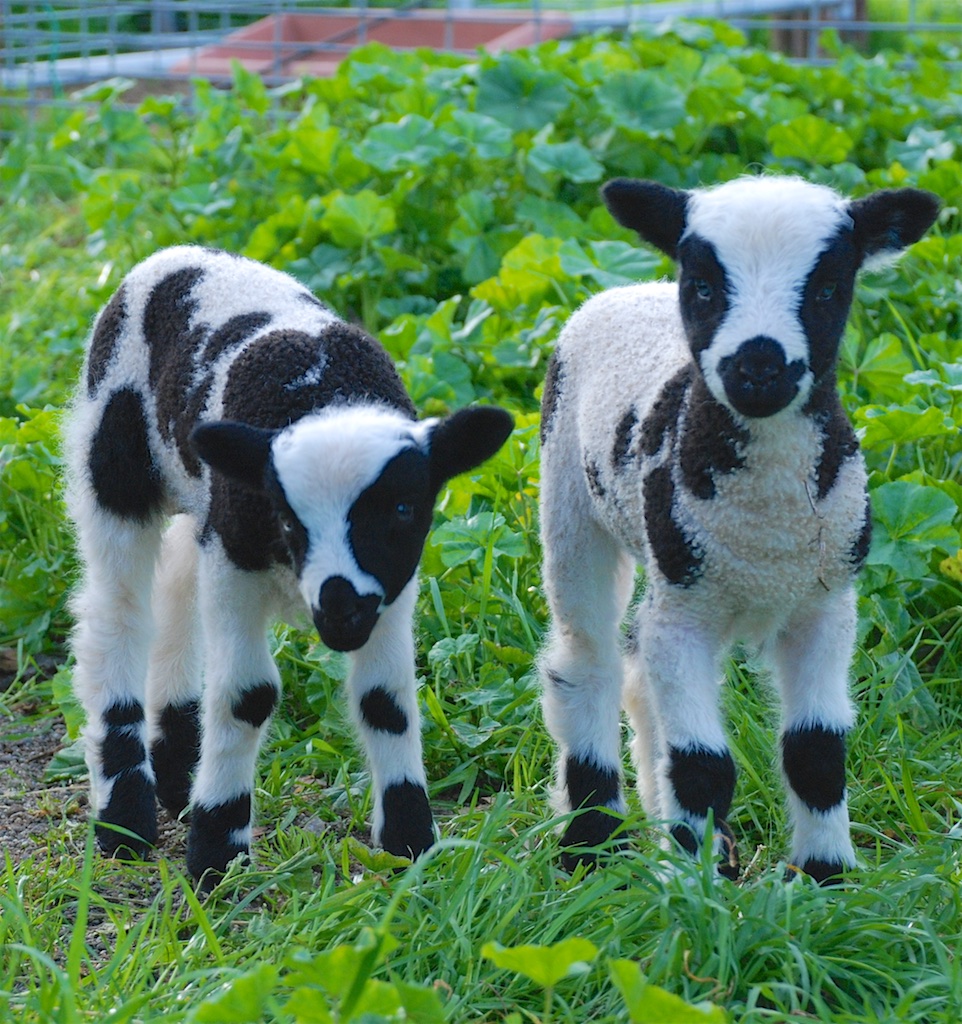
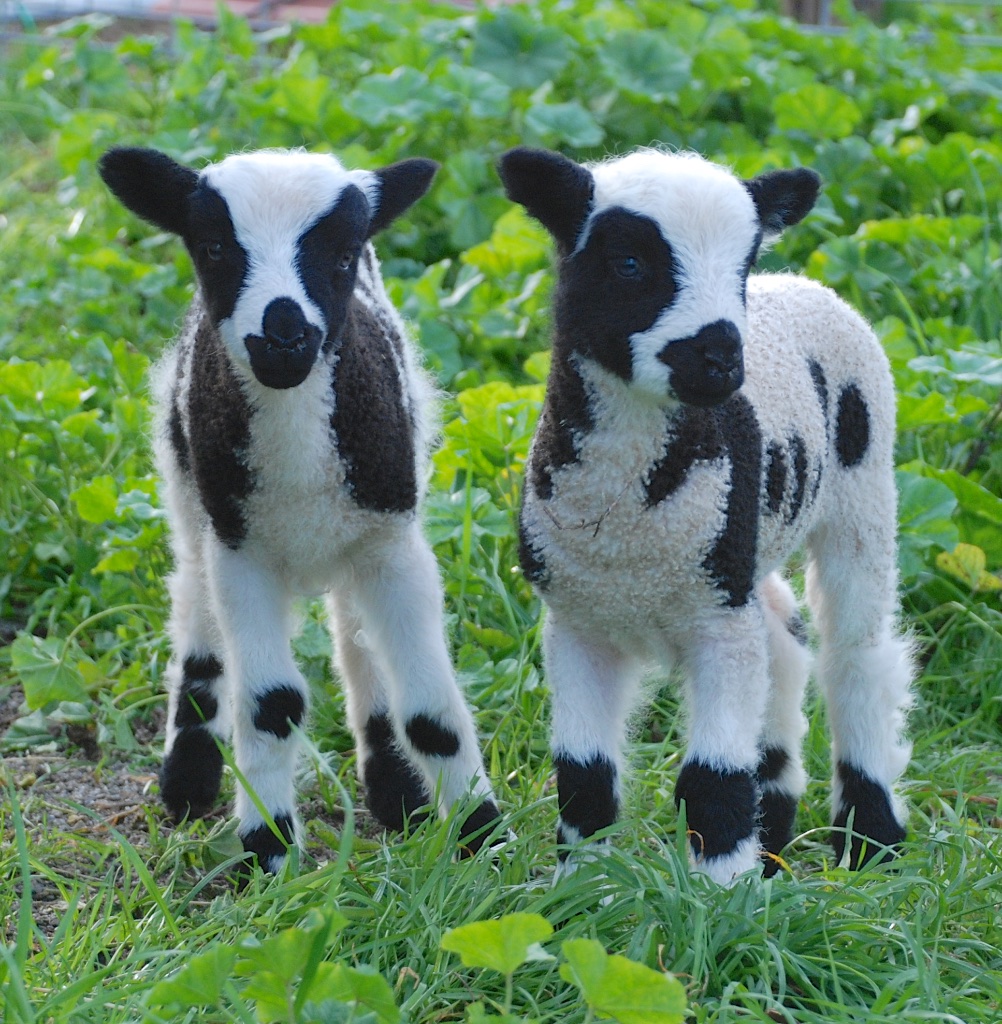 At least I have CUTE going for me.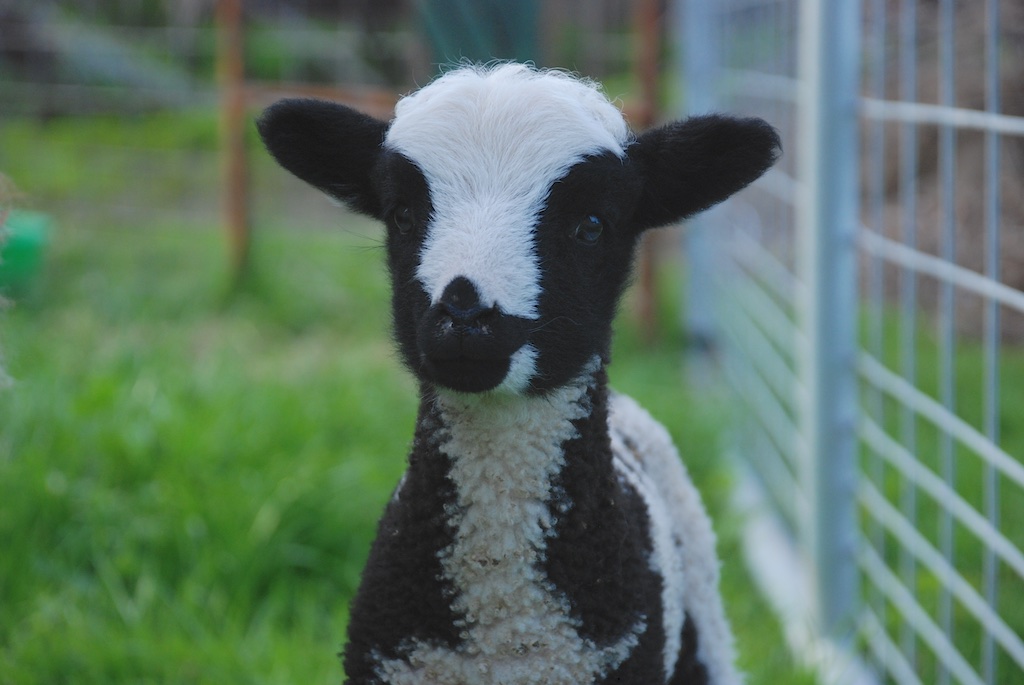
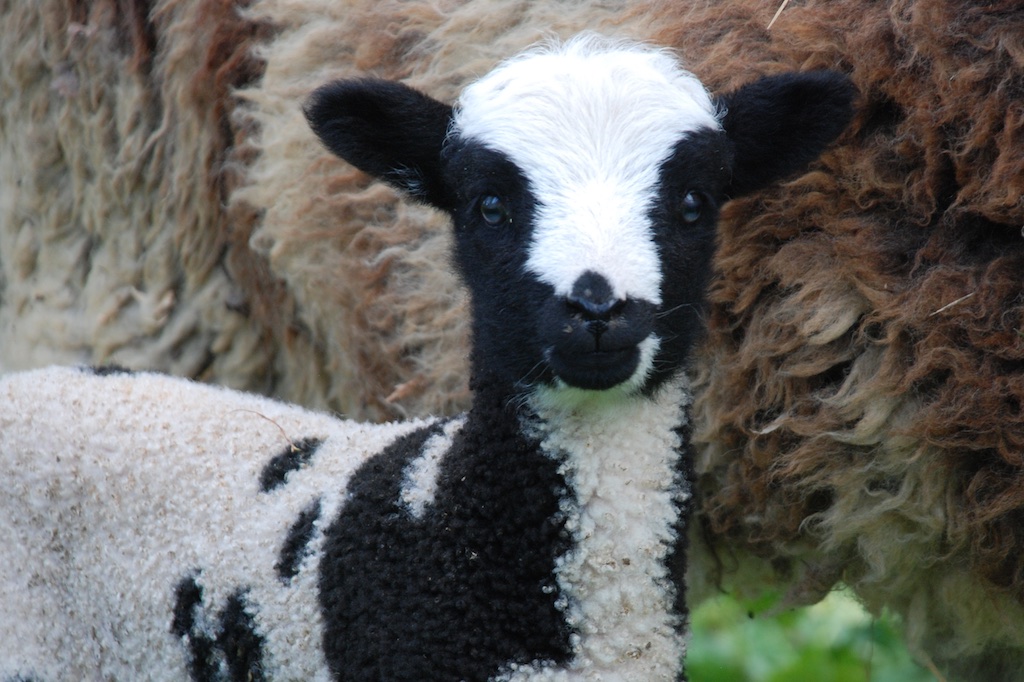
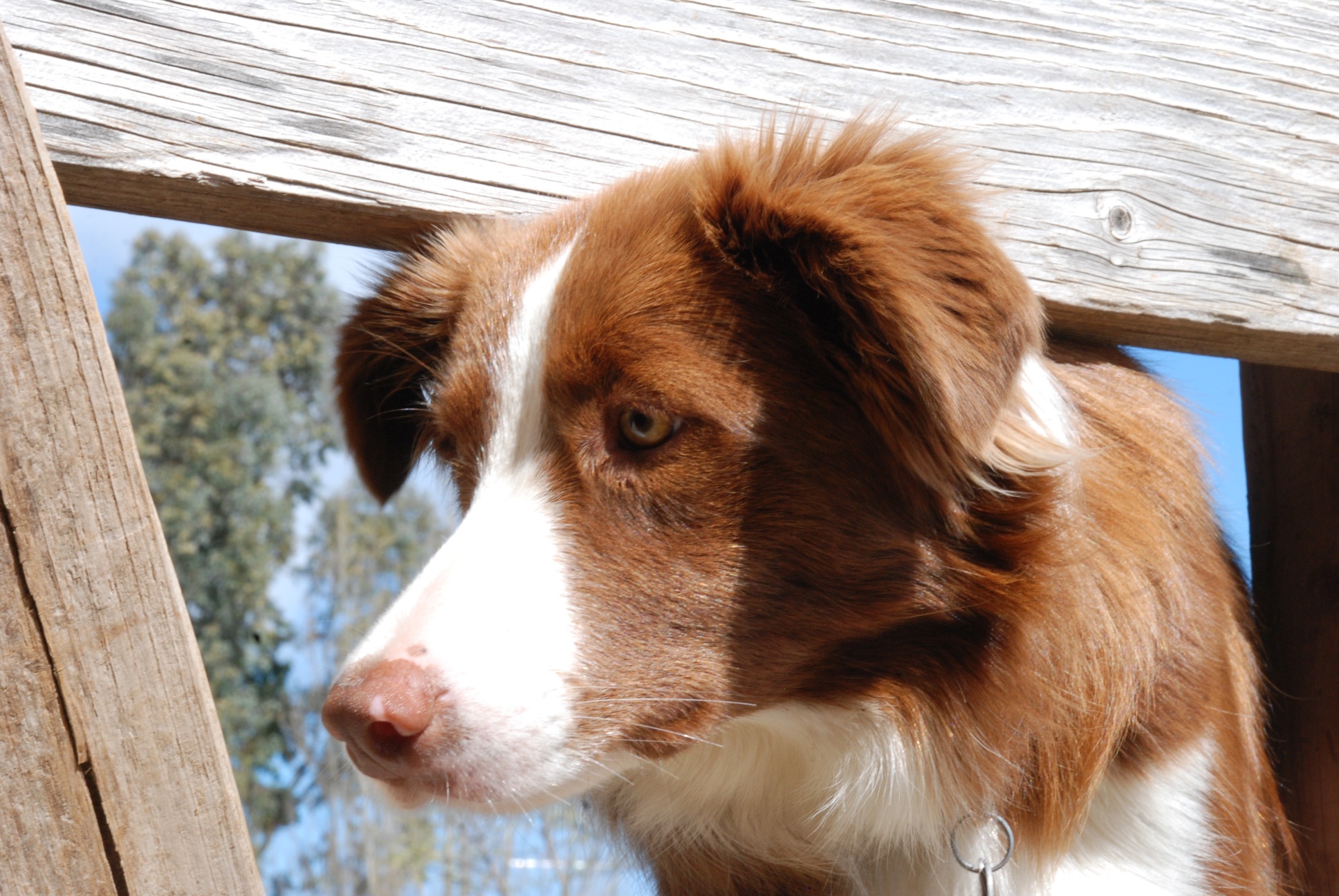
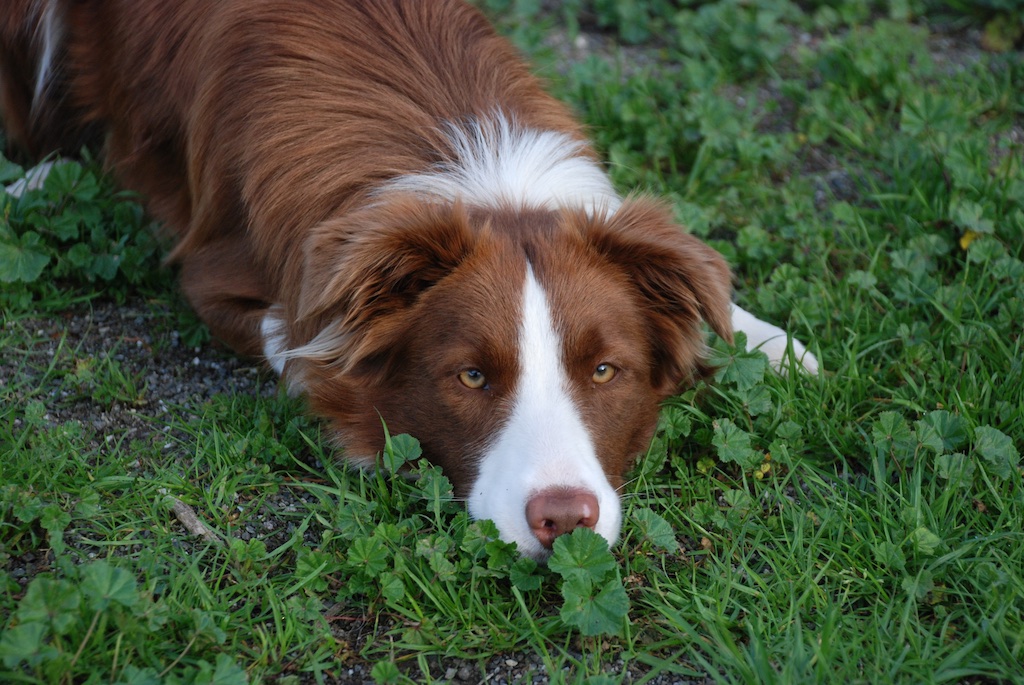 Speaking of cute, can you tell the difference in these two photos? It's not in editing. Try the focus...Ginny's focus, that is.